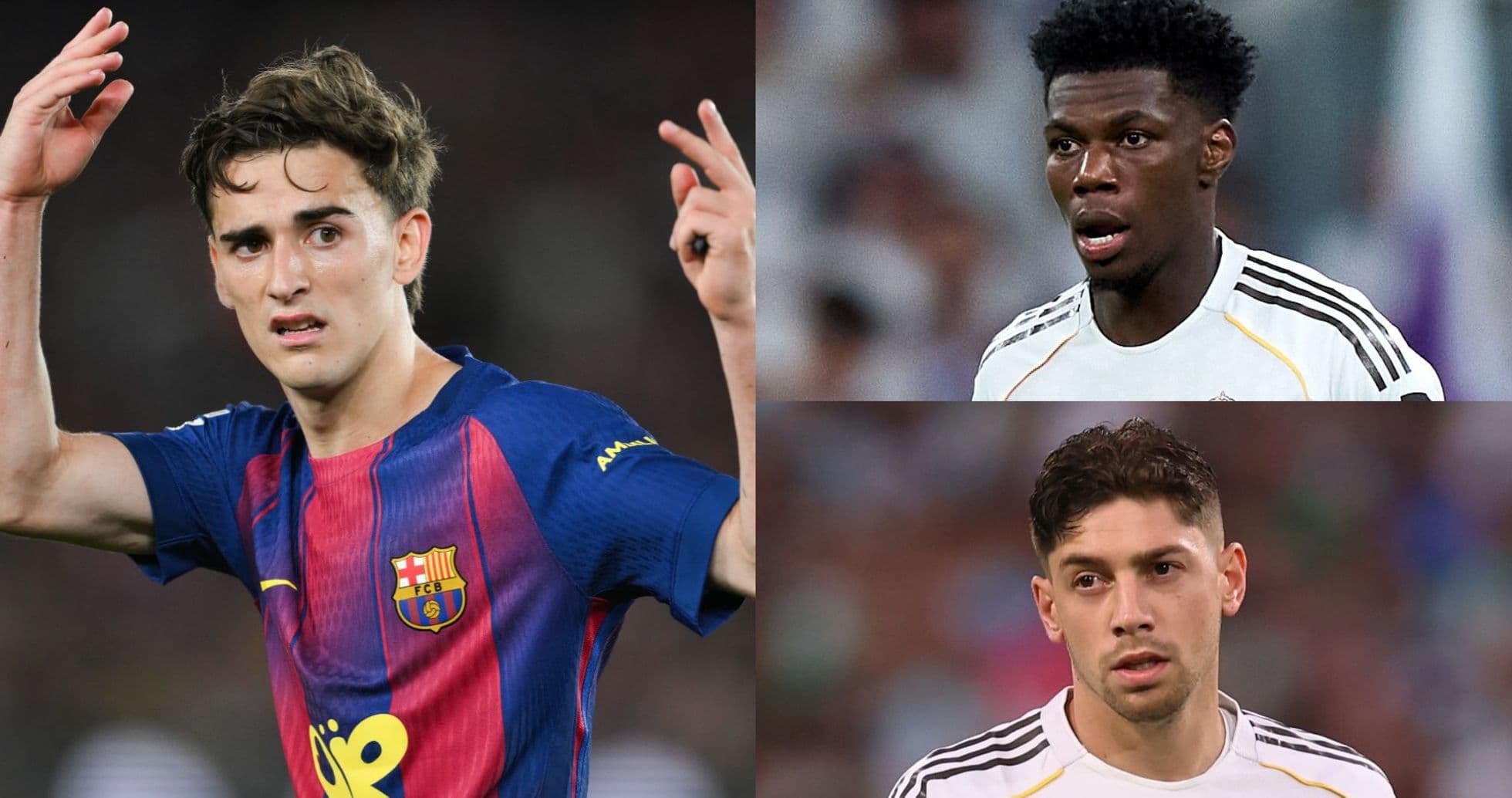
Gavi's Bold Comments on Madrid's Internal Strife
Gavi did not bother with diplomacy. Asked about the turmoil inside Real Madrid’s dressing room, the Barcelona midfielder went straight for the heart of the issue – and for Alvaro Arbeloa’s handling of it.
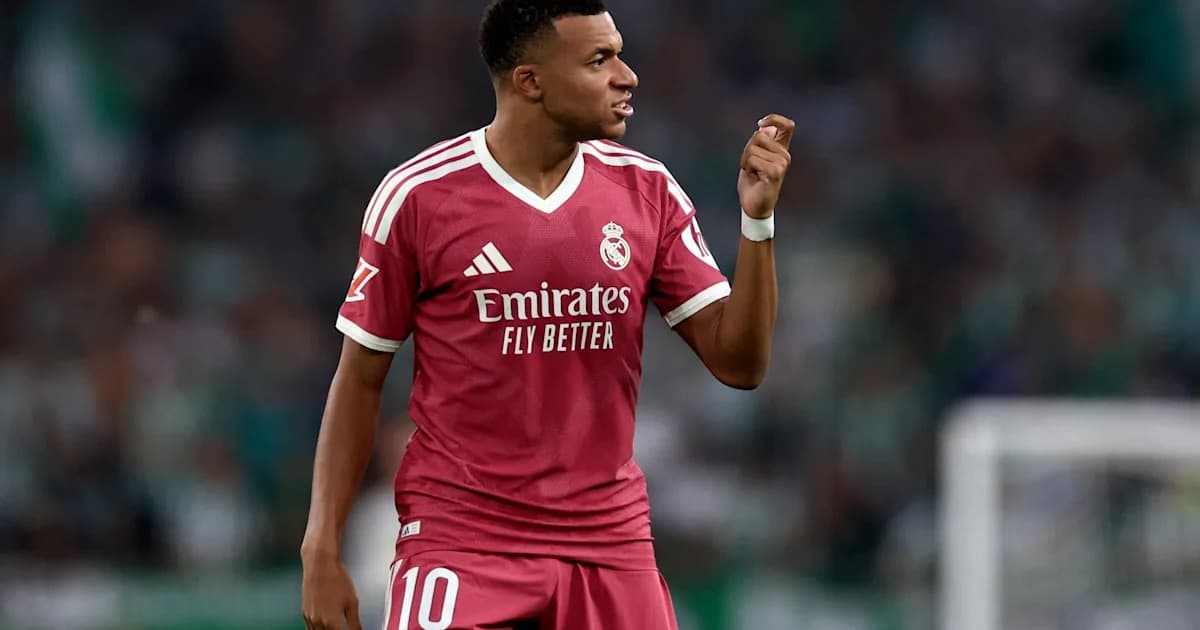
Reports in Spain detailed a fierce confrontation between Aurélien Tchouameni and Federico Valverde at Valdebebas, stretched across two days, escalating from words to punches and leaving Valverde needing stitches in hospital. In most seasons, that would already be a scandal. In this one, with Barcelona and Madrid locked in another ideological war as much as a sporting one, it became ammunition.
From Gavi’s perspective, the line was clear – and Real Madrid crossed it.
If it comes to blows…
The 21-year-old knows what an intense training ground looks like. He lives in one. He even embraced that reality before drawing his red line.
“I am one of those who thinks that there are always going to be scraps there with your teammates training at a time of the season, because that is how it is, it is competitiveness and that is always fine up to a point, obviously,” he said to Mundo Deportivo.
Up to a point. The moment it spilled into violence, Gavi believed the responsibility shifted squarely onto Arbeloa’s shoulders.
“But in the end, if it comes to blows, well then the coach should not play him. If it is true that they came to blows, for me he made a mistake by calling him [Tchouameni] up and making him play. But I don't know the truth of what happened either.”
The reference was clear: Tchouameni starting against Barcelona on May 10, the night Madrid lost 2-0 and watched Barça officially seal the La Liga title. For Gavi, that decision symbolised a club willing to overlook a serious internal incident in the name of results.
The message from the Catalan side of the rivalry was just as clear: standards matter, even when the fixture list says clásico.
Rivalry reignited off the pitch
The conversation did not stay on the training ground for long. In Spain, nothing involving Barcelona and Real Madrid ever does.
Gavi’s comments landed in the middle of another storm, this one fuelled by Florentino Pérez. The Madrid president recently claimed his club had been “robbed” of seven La Liga titles because of the Negreira case, reigniting suspicion and accusation around Barcelona’s domestic success.
For Gavi, that narrative is not just noise. It is a deliberate attempt, as he sees it, to strip value from what Barça have done in the harsh light of financial crisis.
“Everything knows that from Madrid they are always going to belittle or take credit away from the things that we win or our titles. So that shouldn't matter to us. As I tell you, it has a lot of merit to win two Leagues in a row with many homegrown people, many people from La Masia and without many signings.”
There was no attempt to soften the rivalry. No nod to mutual respect. Just a young midfielder defending his club’s honour and challenging the story being told in the capital.
La Masia vs the market
Beneath the barbs, Gavi kept returning to one idea: how Barcelona win.
He framed the last two league titles not just as trophies, but as statements of identity. In his eyes, they are proof that a club weighed down by financial restrictions can still compete at the top while leaning heavily on its academy.
“In the end there have been very few signings. Other teams have signed many players every year and it is something to be proud of.”
The contrast with Madrid’s approach was left hanging in the air. While the European champions continue to stack star names, Barcelona have been forced to turn inwards, to La Masia, to young players like Gavi himself. For the midfielder, that constraint has become a badge of honour.
The rivalry has always been about more than results: style, identity, philosophy. Now, as Gavi’s words underline, it is also about who gets to define the value of a title – the club that wins it on the pitch, or the one that questions it from across the country.
And with a new season looming, one question lingers: if this is the tone in May, what happens when the next clásico comes around and the tackles start to fly for real?