France's World Cup Journey: Resilience in Adversity
In a storm-lashed corner of Philadelphia, France’s World Cup campaign briefly hung in the clouds.
Lightning, heavy rain and a long, awkward silence turned their group match against Iraq into a test of patience as much as quality. Players from both sides were marched off the pitch and back down the tunnel, left to pace around dressing rooms while officials watched the skies and the clock.
For almost two hours, the World Cup went on pause.
When the contest finally resumed, France hit play at full speed. The interruption, the chill, the uncertainty – all of it vanished the moment the ball moved with purpose again. The favourites reasserted themselves, controlled the tempo, and eased to a 3-0 win that booked their place in the knockout stage.
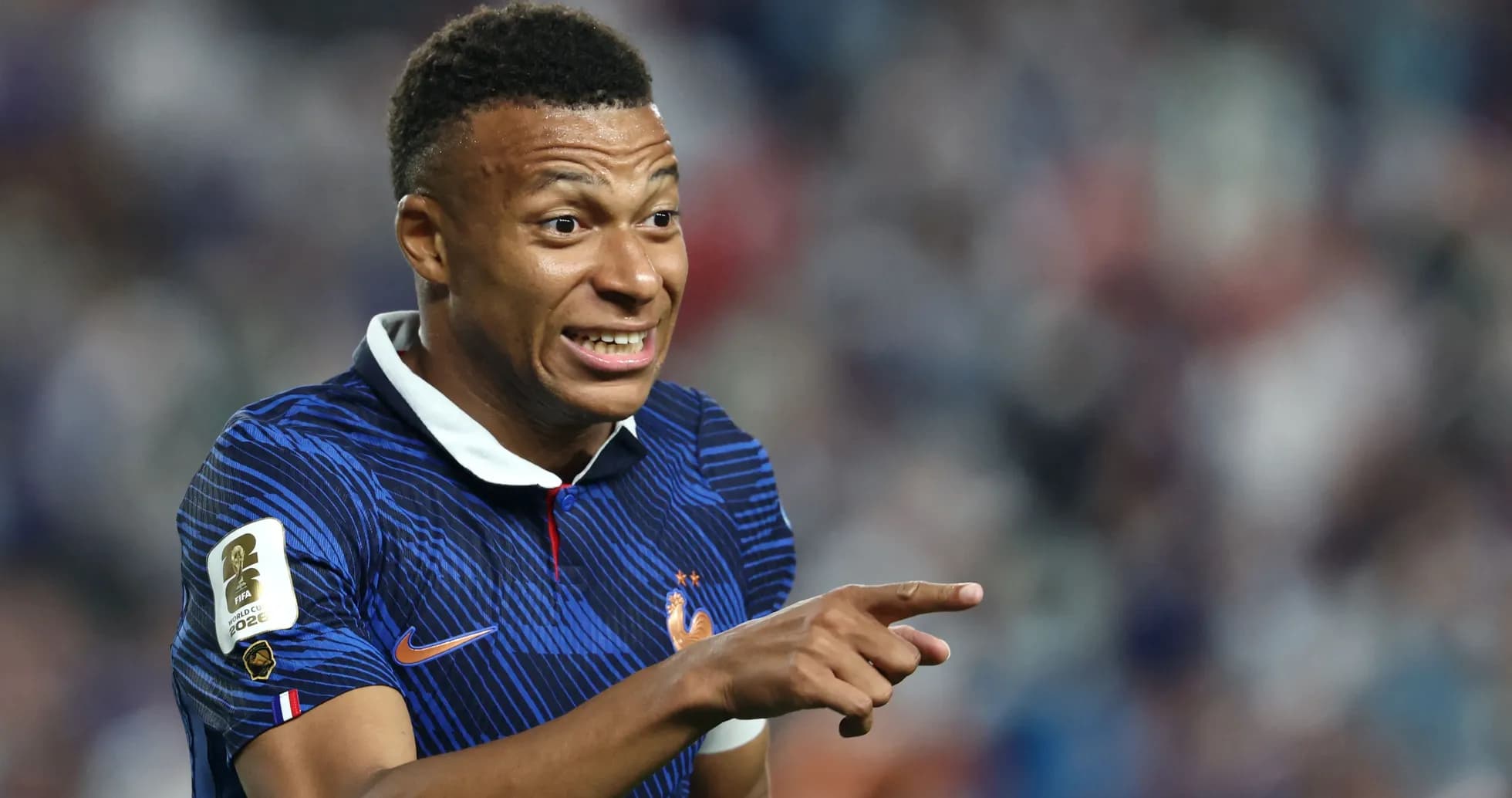
Kylian Mbappé, armband on and responsibility heavy on his shoulders, decided the game with the kind of ruthless clarity that separates stars from the rest. Two goals, both stamped with his authority, turned a potentially messy, nervy night into a straightforward scoreline.
Yet for the captain, the story of the evening started long before his finishing touch.
“It was a very long night. A lot of time passed, emotionally, and I was very nervous,” Mbappé admitted, speaking to ESPN after the final whistle.
The words cut through the usual post-match clichés. This was not a routine group game in his mind, but a mental marathon.
Inside the French dressing room, the clock dragged. The players knew the stakes, knew the risk of switching off. High-intensity international football demands a specific edge, a sharpness that is hard to hold when the schedule collapses around you.
“It’s very difficult because we had to stay focused, we had to be present in the locker room,” Mbappé said. The challenge was not tactical. It was psychological.
For around an hour and a half – “almost two hours,” as he put it – Les Bleus were stuck in limbo. Too early to cool down, too late to keep the full warm-up buzz. They had to fill the dead time without dulling their instincts, keep the mood serious without draining the energy they would need once the officials finally called them back out.
“Staying focused is very difficult. It demands a lot. We made a great effort to try to stay involved. It’s very complicated, but in the end, we achieved our goal.”
When the teams emerged again, that effort showed. France moved the ball with authority, pinned Iraq back and gradually wore down a defence that had looked resilient before the skies opened. The scoreboard, 3-0, reflected not just a gulf in talent but a group that managed the chaos better than their opponents.
The win does more than send France through. It injects a sense of resilience into their campaign – proof that they can handle nights that refuse to follow the script.
Next comes Norway on Friday, the final group match and a straight fight to decide who tops the section. The job of qualification is done. The job of shaping the path through the knockouts starts now.