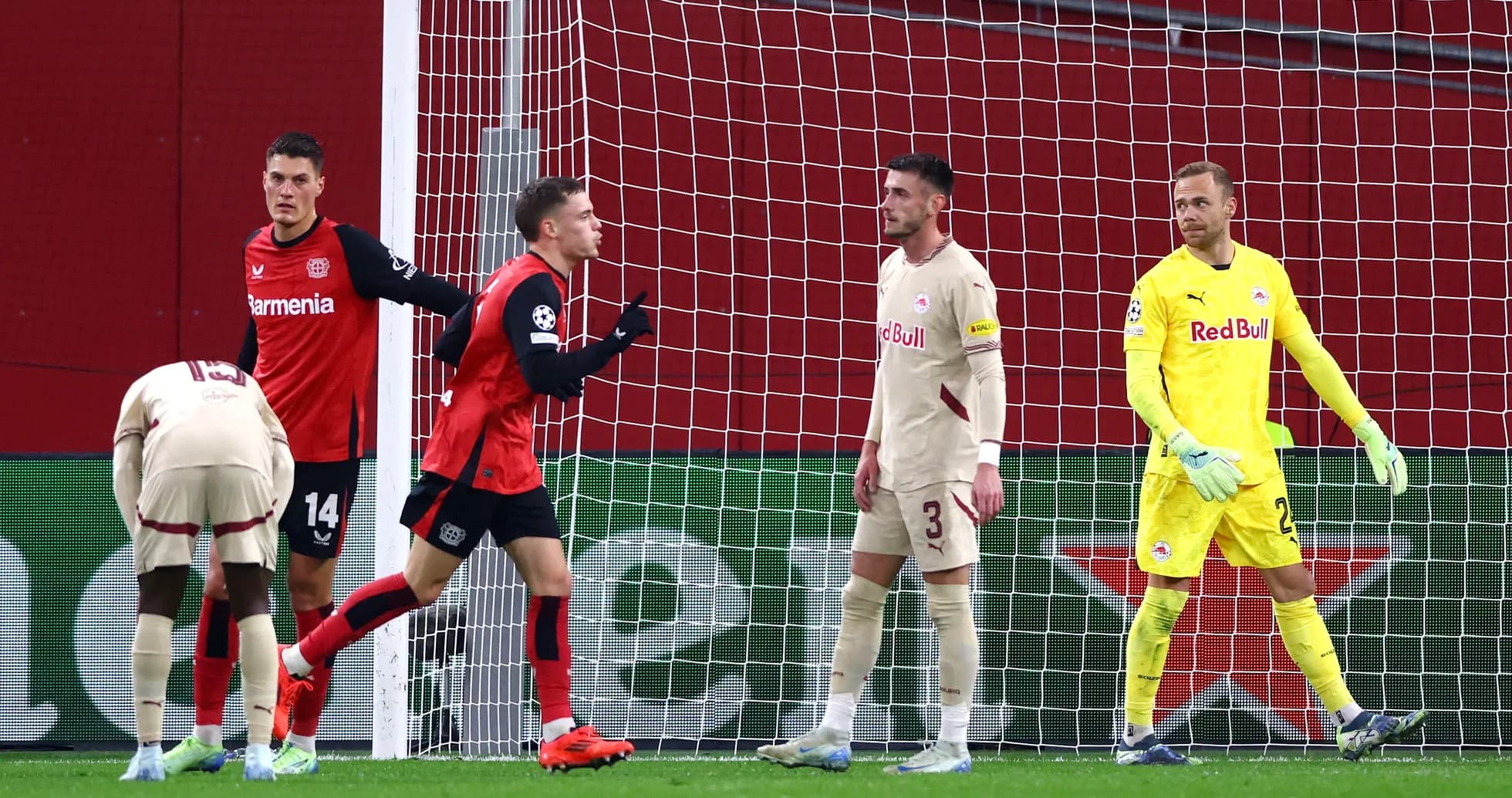
FK Crvena Zvezda Defeats Malmo FF 1–0 in Europa League
Played at Eleda Stadion in Malmö on 22 January 2026, this UEFA Europa League league-stage tie ended with FK Crvena Zvezda grinding out a controlled 1–0 win over Malmo FF. Vasilije Kostov’s early strike proved decisive in a contest where the Serbian side’s superior control of the ball and shot volume told over 90 minutes. The result underlines the gap between the teams in the league table: Crvena Zvezda finish the league stage on 13 points and in promotion territory, while Malmo close a bruising campaign with just a single point and a -10 goal difference.
First-half analysis
The game’s defining moment arrived early. On 16', Crvena Zvezda struck what would become the only goal of the evening, with V. Kostov finishing after being set up by Marko Arnautović. That combination rewarded Vladan Milojević’s 4-1-4-1 structure, with Arnautović as the lone forward supported by a line of four midfielders including Kostov.
From there, the pattern of the half tilted towards the visitors, who went into the break 1–0 up and with the initiative. Malmo, set up in a 4-4-2 by Miguel Ramirez, struggled to translate their shape into genuine threat; the lack of any first-half goals for the hosts and the eventual full-time tally of zero shots on target underline how little they troubled Matheus in the Crvena Zvezda goal. With no cards or further scoring before half-time, the opening period closed with the visitors in control and Malmo needing a rethink.
Second half and tactical shifts
Ramirez’s response began to take shape after the interval. The first notable flashpoint came on 55', when Malmo left-back Busanello was booked for a foul, reflecting the growing urgency in the home side’s attempts to disrupt Crvena Zvezda’s rhythm.
On 62', Malmo made a double substitution that signalled a push for more creativity and experience. Adrian Skogmar went off, replaced by Anders Christiansen, while Erik Botheim made way for Sead Hakšabanović. With Christiansen’s playmaking profile and Hakšabanović’s attacking flair, Ramirez clearly sought more guile between the lines and on the flanks rather than a like-for-like reshuffle.
The visitors’ own discipline wobbled slightly on 72', when Vladimir Lučić received a yellow card for a foul, but by then Malmo were already reshaping again. Also on 72', Hugo Bolin was withdrawn for Taha Ali and Theodor Lundbergh was replaced by Lasse Berg Johnsen, further freshening the midfield. These were conservative, like-for-like midfield switches rather than an all-out attacking gamble, but they aimed to inject energy and ball-carrying in central areas.
Milojević answered with a triple change on 75'. Aleksandar Katai came off for Mirko Ivanić, Arnautović was replaced by Bruno Duarte up front, and Lučić made way for Nikola Stanković. Those moves refreshed the attacking and midfield lines while preserving the 4-1-4-1 structure, with Duarte offering a different focal point and Ivanić adding craft.
Tension rose late on. Emmanuel Ekong was booked for a foul on 83', then immediately sacrificed on 84' as Daníel Tristan Guðjohnsen came in to lead the line alongside Hakšabanović. It was a logical attacking tweak, but Malmo still struggled to generate clear chances. In the final minutes, Crvena Zvezda made a final adjustment, with goalscorer Kostov departing on 89' for Tomás Händel, a move that helped lock down the midfield and protect the slender lead.
Statistical deep dive
The numbers reinforce the narrative of a controlled away performance. Crvena Zvezda conceded possession to Malmo only in patches, ultimately controlling 59% of the ball compared to Malmo’s 41%. That superiority was matched by cleaner use of the ball: the visitors completed 518 of 610 passes at 85% accuracy, while Malmo managed 339 of 433 at 78%. The Serbian side were more secure in circulation and more patient in their buildup.
In attack, the contrast was stark. Crvena Zvezda produced 12 total shots, four of them on target, and generated 1.67 expected goals. Malmo mustered just four shots in total and did not register a single shot on goal, with an xG of only 0.42. Despite the narrow 1–0 scoreline, the underlying data suggests Crvena Zvezda were far more threatening and could justifiably feel they might have added to their lead.
Discipline was relatively balanced. Malmo committed 13 fouls to Crvena Zvezda’s 12, with the hosts picking up two yellow cards (Busanello and Ekong) and the visitors one (Lučić). It was competitive rather than overly aggressive, but Malmo’s bookings mirrored their increasing frustration as they chased a game they rarely looked like rescuing.
Standings and implications
In the wider Europa League context, this result cements the contrasting trajectories of the two clubs. Crvena Zvezda finish the league stage with 13 points, a positive goal difference of +1 (6 scored, 5 conceded), and sit 11th with a place secured in the promotion play-offs (1/16-finals). Malmo, by contrast, end in 35th place with just 1 point from seven matches, a goal difference of -10 (3 scored, 13 conceded), and a form line of LLLD. Their home record in the competition – no wins in four attempts – underlines the scale of the rebuilding job ahead.