
Fenway Sports Group Not Selling Liverpool: Focus on Strategic Investment
Fenway Sports Group are not putting a ‘For Sale’ sign outside Anfield. Not now, and not any time soon, according to those close to the ownership.
Despite fresh noise around Liverpool’s future and a new round of talks with heavyweight investors, the message from Boston is blunt: this is about backing the project, not bailing out of it.
Strategic cash, not a clean break
Speculation has flared again as word spread of outside interest in Liverpool. But conversations described to TEAMtalk as “strategic investment” are a world away from a full or majority takeover.
Sources with knowledge of the discussions are adamant. John W. Henry and Tom Werner remain “as committed as ever to Liverpool” and still see the club as a “long-term cornerstone of the FSG portfolio,” not an asset to be flipped at the peak of its value.
The thinking inside Fenway is clear. Any fresh money must sharpen Liverpool’s competitive edge – on the pitch, in the boardroom, and across the global market. It is not the start of an exit strategy. It is an attempt to widen the club’s shoulders in a landscape where state-backed giants and private equity money are reshaping the top end of European football.
FSG can point to the last 14 years as proof of intent. When they bought Liverpool from George Gillett and Tom Hicks in 2010 for around £300 million, the club was creaking – politically, structurally, financially. Since then, Anfield has been transformed and expanded, the AXA Training Centre has risen in Kirkby, and the football operations have been rebuilt to the point where many inside the ownership group now regard Liverpool as one of the best-equipped clubs in the world.
That is the platform they believe new investors should be buying into, not dismantling.
Big names at the table
Talks are happening, though, and with serious players.
Former Queens Park Rangers co-owner Amit Bhatia is among those to have held discussions with FSG. Those conversations, sources say, have been exploratory – part of a broader trawl through the market to identify potential partners rather than hard negotiations over a sale.
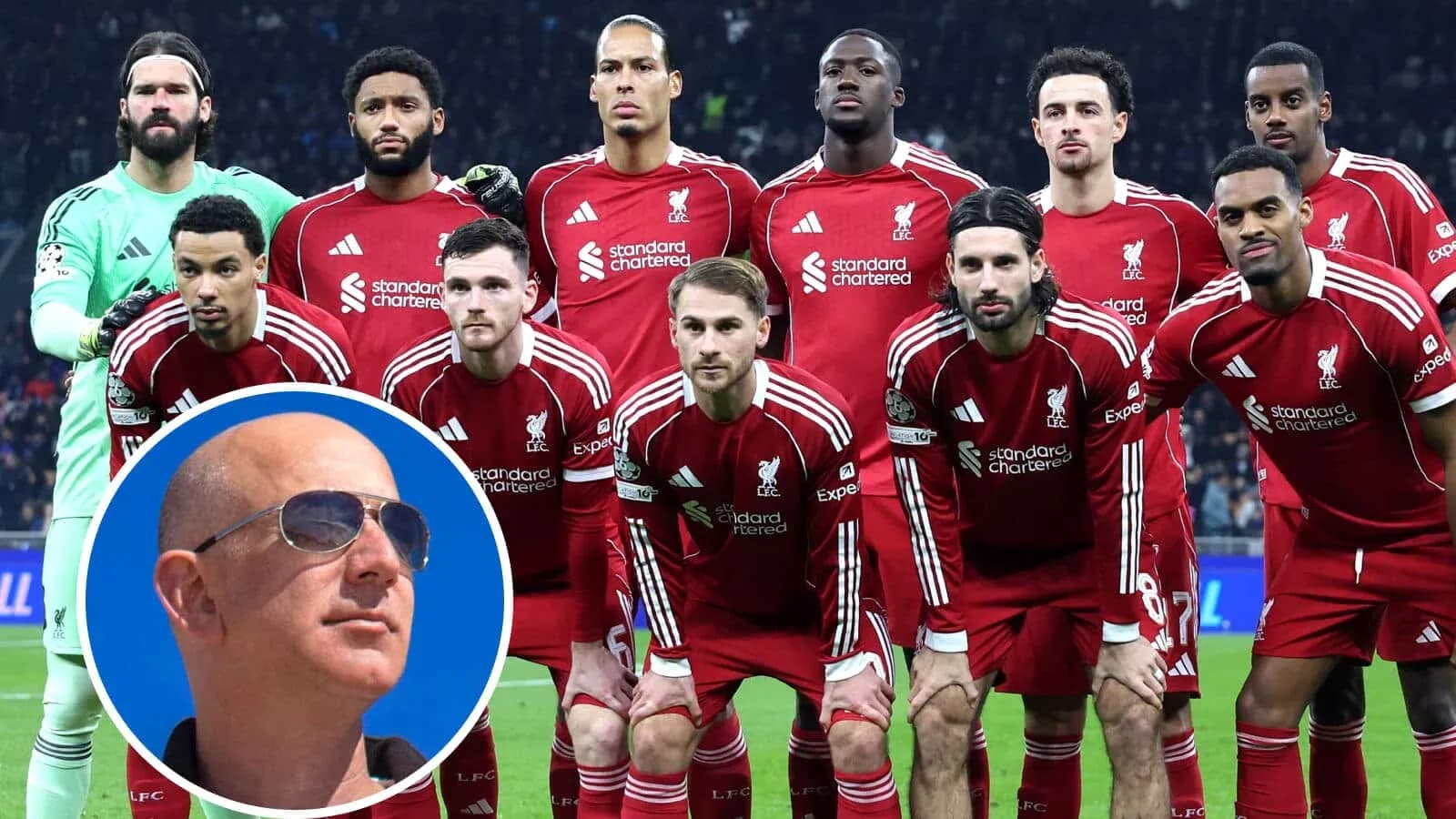
The same applies to other high-profile figures who have been sounded out, including Amazon founder Jeff Bezos. His name inevitably fuels headlines, but those close to the process insist it should not be read as FSG edging towards the door. It is about sounding out who can add value, not who can take over.
There is a template. In 2011, LeBron James and business partner Maverick Carter bought a small stake in Liverpool, a move FSG viewed as a smart way to boost the club’s global reach. In 2021, James increased his share, becoming a major partner. That kind of alliance – minority investment, strategic upside, no loss of control – remains the model.
TEAMtalk understands FSG are prepared to welcome similar minority investors again, but only on their terms and only if the club’s growth curve steepens as a result. Control is not on the table. Sources are unequivocal: there is “no appetite” within FSG to hand over the keys.
They are convinced Liverpool are set up for sustained success and are determined to keep the club anchored among Europe’s elite for years to come.
Backing Iraola and the next rebuild
All of this plays out against a football backdrop that is shifting again at Anfield.
After a season of stagnation under Arne Slot, FSG’s internal priority is straightforward: give Andoni Iraola a squad that can go toe-to-toe with the best in Europe and drag Liverpool back into the thick of trophy fights, not merely the conversation.
Top of the recruitment list is a winger. The club’s need for fresh thrust in wide areas has been obvious, and the market has started to move. On Thursday, it emerged that Bradley Barcola is in a position to force Paris Saint-Germain into a sale, opening the door to what has been described as an “absolutely outrageous” transfer to Anfield if Liverpool choose to push.
The Reds have also been linked with a dramatic hijack for Maghnes Akliouche, but sources have poured cold water on that storyline, clarifying that the Monaco attacker’s next destination lies elsewhere and that Liverpool are not in that particular race.
So the picture is layered. On one side, FSG are quietly working the corridors of global finance, testing which investors can help Liverpool scale up without ceding control. On the other, they are trying to arm a new head coach with the firepower to restore the edge that once terrified Europe.
The owners are staying. The money, if it comes, will be targeted. The real question now is whether that combination is enough to keep Liverpool at the front of a race that refuses to slow down.



