FC Tulsa Secures 2–0 Victory Over Monterey Bay in USL Championship
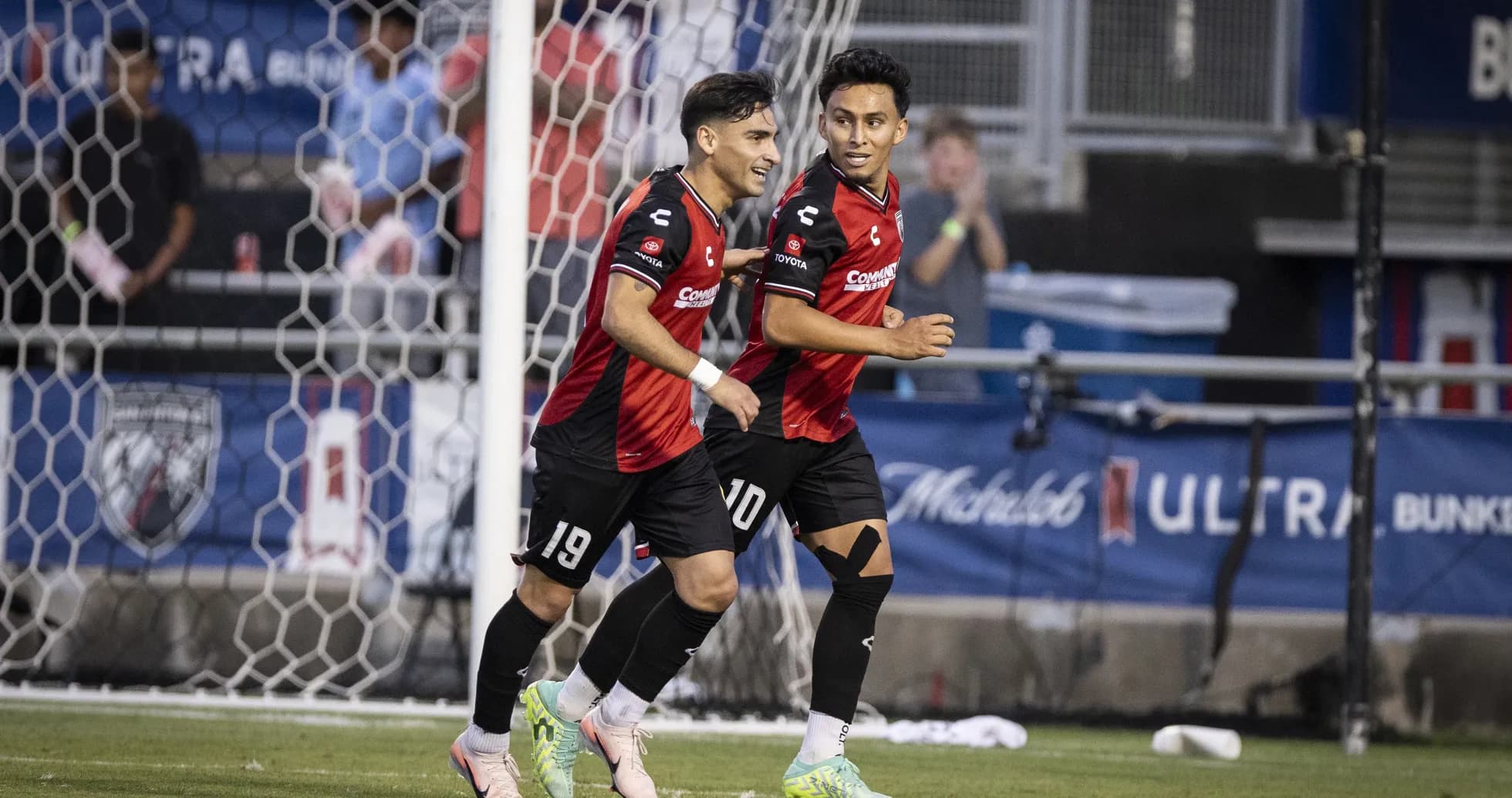
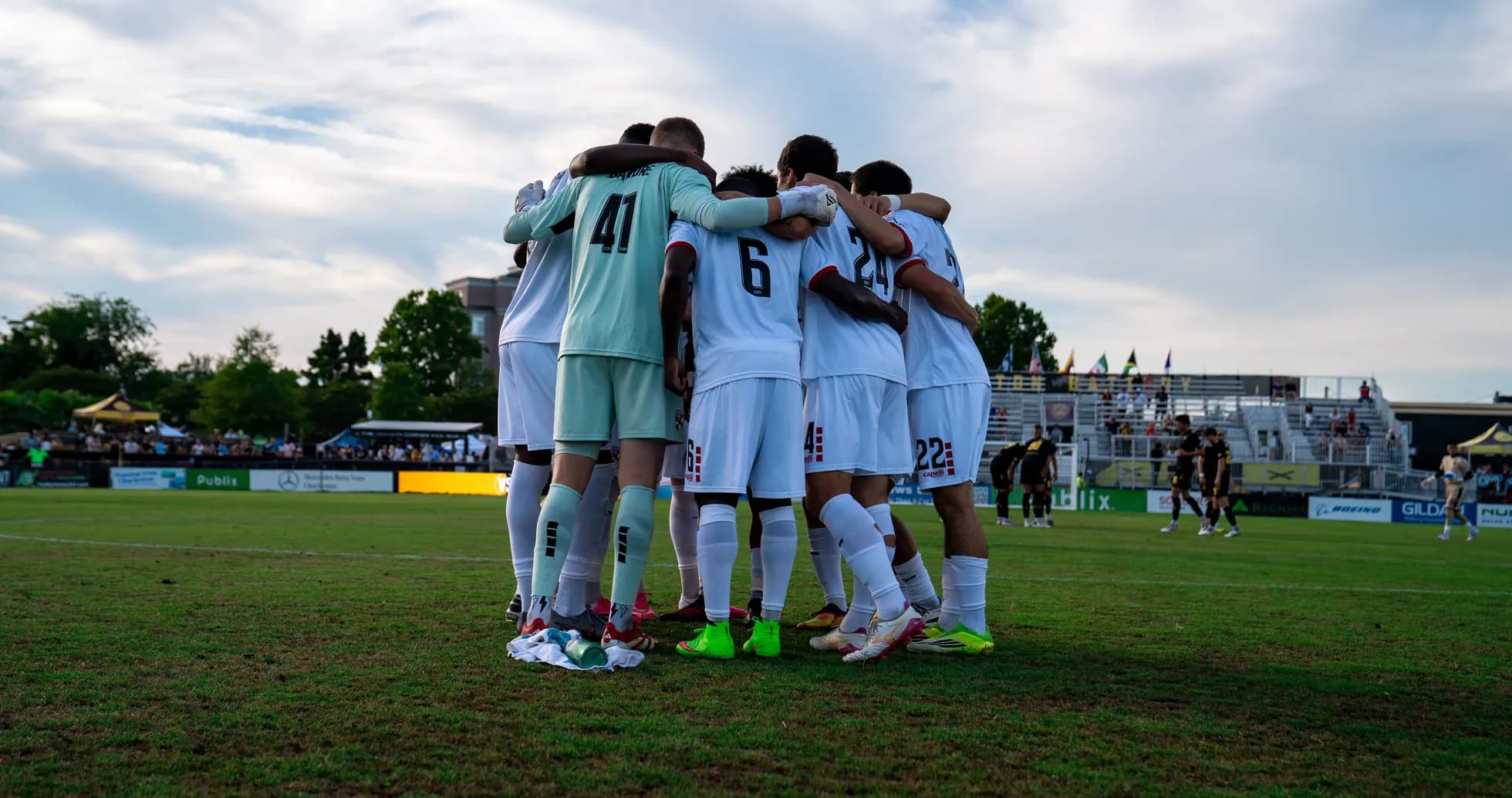
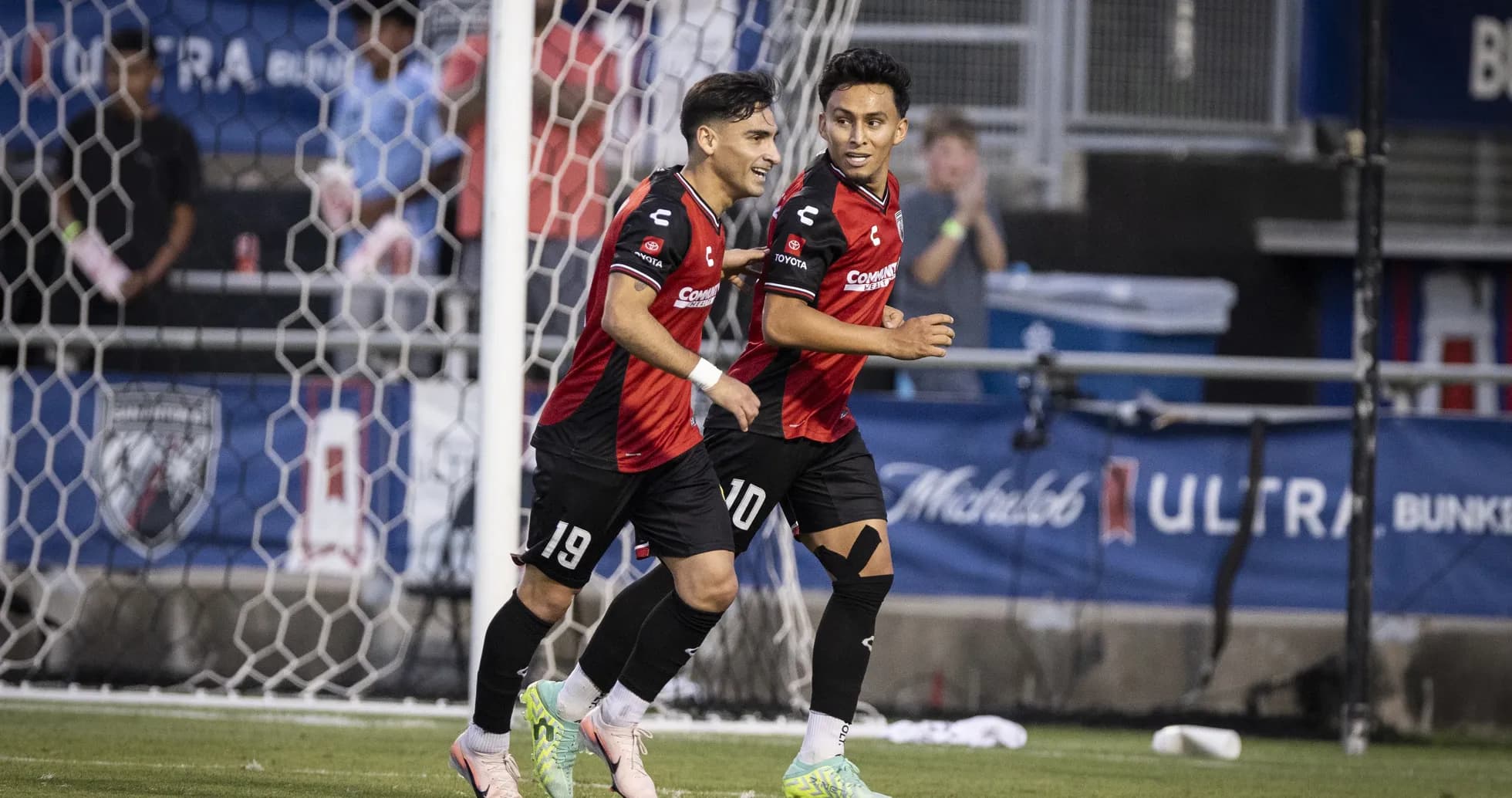
Under the lights at ONEOK Field, FC Tulsa’s 2–0 victory over Monterey Bay felt less like a one-off result and more like a crystallisation of where these two sides stand in the 2026 USL Championship campaign. In a Group Stage meeting refereed by R. Albuquerque, the hosts extended the identity they have been quietly building: compact at the back, economical in attack, and increasingly ruthless at home.
Heading into this game, the table framed the clash as a test of credibility for both. FC Tulsa sat 3rd in USL 1 on 19 points, with a goal difference of 2 (16 goals for, 14 against) across 12 matches. At ONEOK Field, they had been measured but effective: 6 home games, 3 wins, 2 draws, 1 defeat, with 8 goals scored and just 4 conceded. Monterey Bay arrived in 12th on 11 points, their goal difference a stark -9 (13 scored, 22 conceded) over 13 games. On their travels, the numbers were even more brutal: 0 away wins from 6, 1 draw, 5 defeats, 4 goals for and 14 against.
That statistical backdrop mapped neatly onto the story that unfolded.
Tulsa’s evolving spine
Luke Spencer’s starting XI may not have been listed with a formal formation, but the personnel told its own tale. A. Tambakis in goal provided the base for a side that has conceded only 4 goals at home and kept 3 clean sheets at ONEOK Field this season. In front of him, a defensive unit built around A. Clarke, L. Batista and H. St.Clair mirrored the season-long pattern: Tulsa’s home goals-against average of 0.7 is the platform on which their promotion push rests.
The midfield band of J. Webber, J. Kocevski and G. Robinson operated as the engine room. Tulsa’s overall scoring rate of 1.3 goals per match, both at home and away, suggests a side that does not overwhelm opponents with volume but relies on structure and timing. Webber’s and Kocevski’s profiles in this match fit that mould: steady circulation, calculated pressure, and the willingness to absorb spells without the ball knowing the back line can cope.
Ahead of them, the trio of B. Sparks, R. Cabral and L. Dorsey supplied the vertical threat. With Tulsa’s biggest home win this season a 2–0 scoreline, this game’s margin felt almost archetypal: score twice, shut the door, and trust the collective.
Monterey Bay’s away-day burden
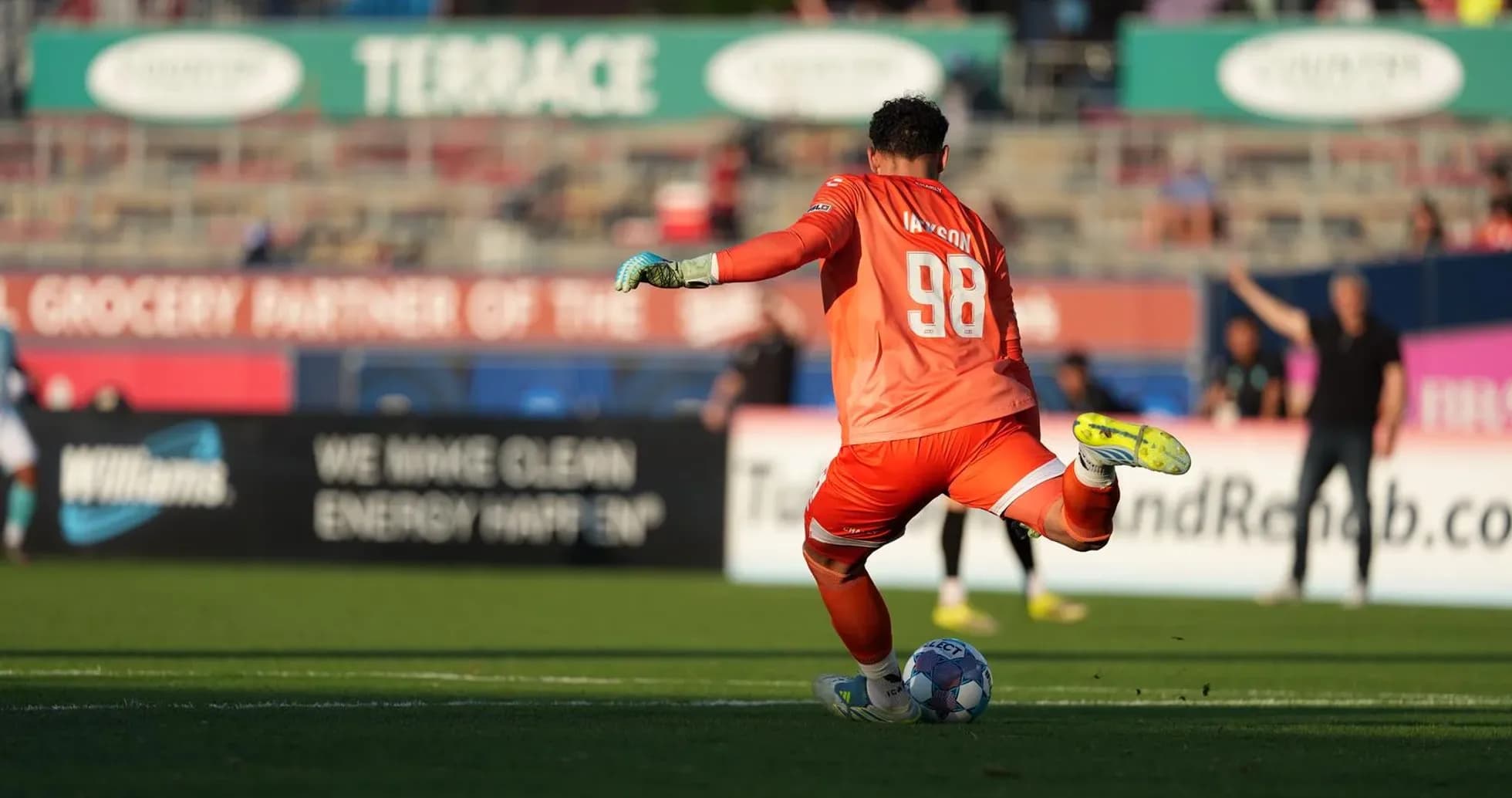
On the opposite touchline, Alex Covelo’s Monterey Bay came in with a very different energy. Their overall defensive record – 22 conceded in 13 matches, an average of 1.7 per game – has been heavily skewed by their away frailty: 14 goals conceded in 6 road fixtures, an away average of 2.3. The starting selection of J. Jackson in goal, protected by N. Gordon, Z. Farnsworth, K. Egwu and J. Garcia, was tasked with reversing a pattern that has seen the side’s biggest away defeat registered at 4–1.
In midfield, R. Nakamura, J. Belmar, S. Ritchie and W. Leggett were asked to bridge the gap between a back line under constant examination and an attack that has produced only 4 away goals all season, at an away average of 0.7. S. Lletget and I. Paul, nominally the creative and finishing reference points, found themselves repeatedly funneled into crowded zones by Tulsa’s compact shape.
The structural problem for Monterey Bay is not effort but balance. Their form line – “LLDLDLLLLWWWL” – hints at a team capable of short, sharp bursts of form, but their inability to keep away clean sheets (0 on their travels this campaign) leaves every away fixture on a knife-edge. At ONEOK Field, that fragility was exposed again.
Discipline and the battle for control
If there was a hidden sub-plot to this contest, it was the disciplinary rhythm. Heading into this game, FC Tulsa’s yellow-card distribution peaked between 61–75 minutes, with 25.00% of their cautions arriving in that window, and another 21.88% from 76–90. Monterey Bay’s profile was eerily similar but more extreme: 28.21% of their yellows from 61–75 minutes and 23.08% from 76–90, plus a single red card in the 61–75 band.
That statistical pattern suggested a second half that could easily descend into chaos if either side lost emotional control. Instead, Tulsa managed the temperature. Their well-documented ability to navigate tight games – 4 clean sheets overall, and only 4 goals conceded at home – translated into a composed closing phase. Monterey Bay, chasing the game after going behind, were forced to push numbers forward into a structure that punishes impatience.
With no red cards in Tulsa’s seasonal profile and Monterey Bay carrying that lone dismissal in the 61–75 window, the visitors were always at greater risk of disciplinary self-sabotage once they fell behind. Tulsa’s maturity without the ball, and their capacity to defend in numbers without reckless challenges, was a quiet but decisive edge.
Hunter vs Shield, and the xG verdict
Without official top-scorer data for individuals, the “Hunter vs Shield” narrative is best understood collectively. Tulsa’s attack, averaging 1.3 goals per game overall and 1.3 at home, met a Monterey Bay defence shipping 2.3 away goals per match. That clash of trendlines pointed towards a night where Tulsa could reasonably expect to create a handful of high-quality chances, even if they did not flood the box with shots.
On the other side, Monterey Bay’s away attack – 0.7 goals per game – faced a Tulsa rearguard that allows only 0.7 goals per game at home. In expected goals terms, that combination forecast a narrow margin for the visitors, with any path back into the match likely dependent on set pieces or transitional chaos.
Following this result, the 2–0 scoreline feels entirely aligned with the underlying numbers. Tulsa’s defensive solidity at ONEOK Field translated almost directly into a clean sheet, while Monterey Bay’s away concessions tracked close to their season-long pattern. Tulsa’s perfect penalty record this season (2 taken, 2 scored, 100.00%) never needed to be tested, but it underlines the broader theme: this is a side that maximises small advantages.
In narrative terms, this match reads as a confirmation rather than a surprise. FC Tulsa continue to look every inch a promotion playoff contender, their structure and discipline giving them a repeatable blueprint. Monterey Bay, meanwhile, remain trapped in a cycle where brief surges of form are undermined by chronic away-day vulnerability. At ONEOK Field, the numbers and the story walked hand in hand.