
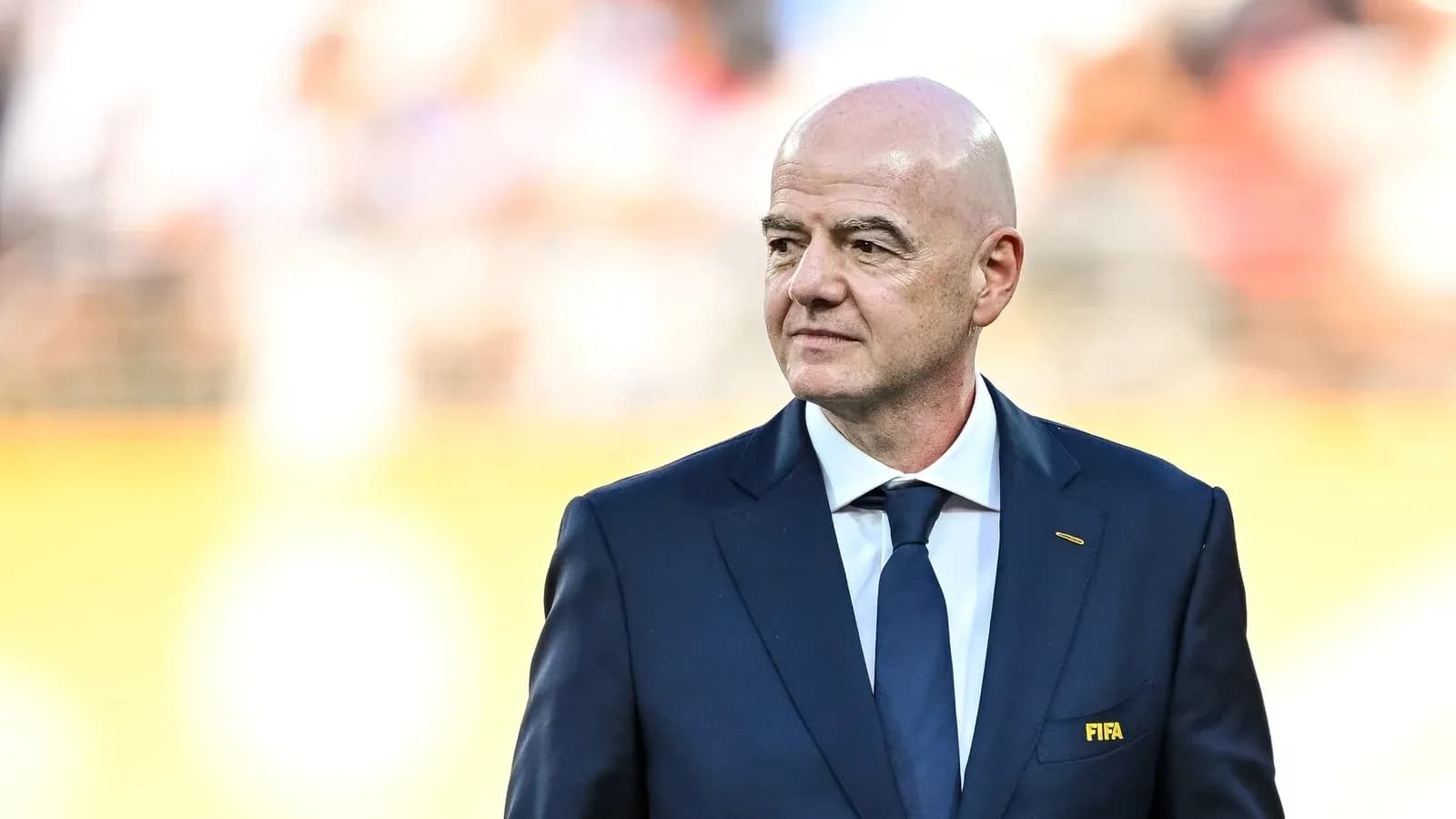
FAW Withdraws Support for FIFA Chief Infantino Over Governance Issues
Gianni Infantino’s grip on the FIFA presidency has come under fresh strain after the Football Association of Wales dramatically withdrew its backing for his re-election bid, citing “recent failures in good governance” and a loss of confidence in his leadership.
The move makes the FAW the first national association to formally abandon support for the Swiss administrator ahead of next March’s presidential vote, a symbolic rupture that cuts through the usual diplomatic caution of football politics.
At the heart of the row lies Infantino’s ill-fated attempt to sell off stakes in the World Cup to private investors. The proposal, heavily criticised across the game, sparked resistance from three confederations and forced the FIFA president into a public retreat last week, when he announced he was shelving the plan.
The damage, in Wales’ eyes, was already done.
In a strongly worded statement, the FAW confirmed it no longer supports Infantino’s candidature for the 2027–2031 term, listing a catalogue of concerns: governance, processes, leadership, values, stakeholder management, communications and judgement. Each area, they argued, had fallen short of what the world’s most powerful football body should demand from its figurehead.
“The recent failures in good governance, processes, leadership, values, stakeholder management, communications and sound judgement have led us to a position where Mr Infantino has lost the confidence of the FAW to remain at the helm of world football,” the statement read. The conclusion was blunt: “Failing to put the best interests of football first is a failure we cannot accept.”
Infantino’s presidency, stretching towards a decade, has been marked by sweeping reforms, expanded tournaments and aggressive commercial drives. The World Cup investment plan, though, crossed a line for many traditionalists and administrators who fear the game’s flagship event drifting further into the hands of private capital.
The pressure finally told when opposition hardened across multiple regions, forcing FIFA to step back. Yet shelving the project has not stemmed the political cost. Instead, it has opened the door for associations like Wales to publicly question Infantino’s judgement and priorities.
For now, Infantino remains the dominant figure in global football governance and is still expected to stand for re-election. But the FAW’s decision sends a clear signal: the automatic support once enjoyed by the incumbent can no longer be taken for granted.
If one association is prepared to break ranks so openly, how many others are quietly weighing the same step before the ballots are cast?



