Egypt triumphs over Australia in tense penalty shoot-out
Egypt held their nerve in Dallas, outlasting Australia in a nerve-shredding penalty shoot-out to reach the last 16 of the World Cup and exorcise years of spot-kick trauma.
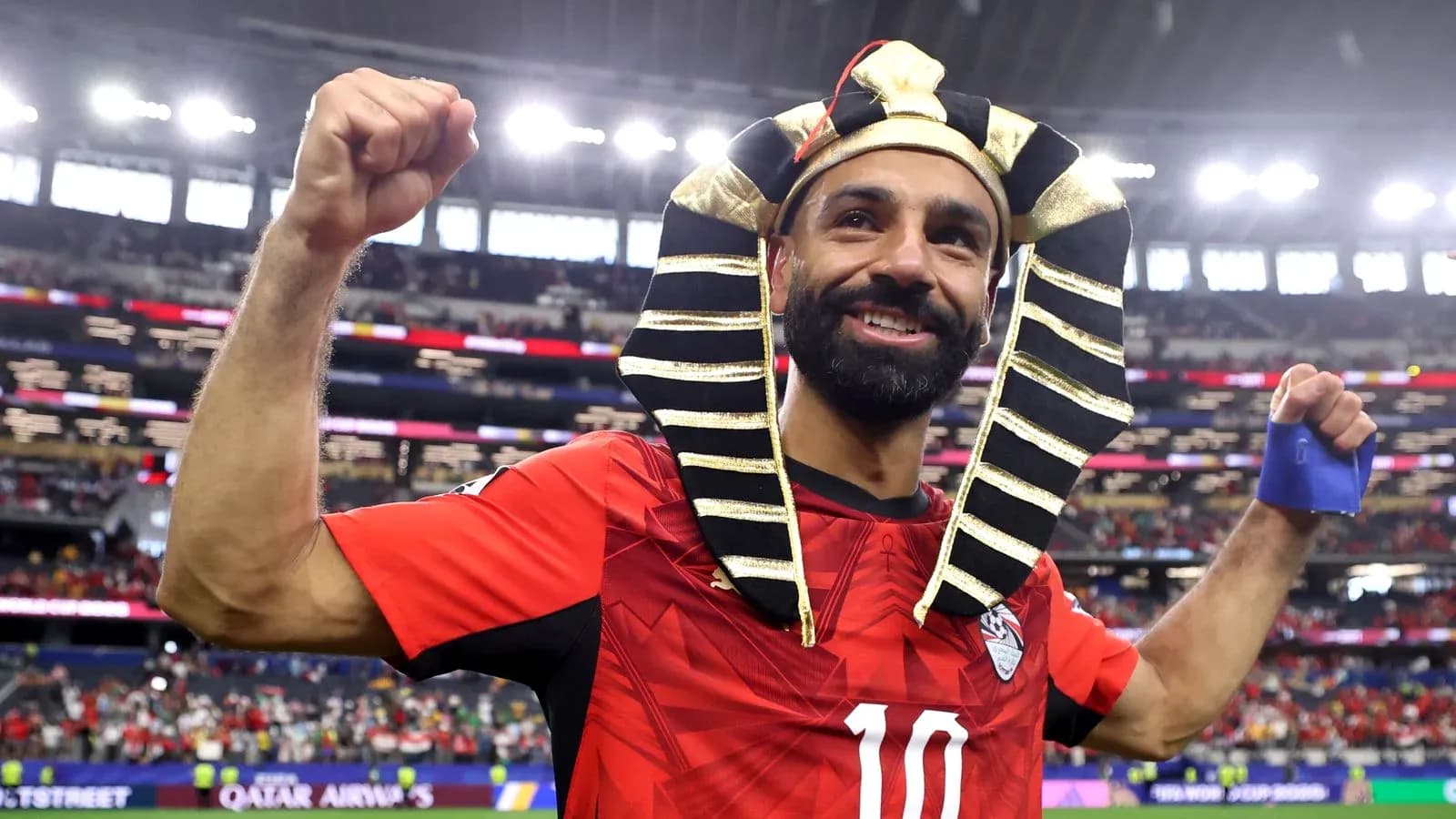
After four consecutive shoot-out defeats in major competitions, this one mattered. It ended 1-1 after extra time, then 4-2 to Egypt on penalties. By the end, Mohamed Salah was walking away with a Panenka and a place in the knockouts. Australia were left with only regret and the thud of the crossbar in their ears.
Egypt seize control, Australia hang on
The tone was set early. Cristian Volpato, bold and brimming with intent, stepped inside and let fly from distance. His shot skimmed the crossbar on five minutes, a warning that this would not be a cagey stalemate.
Egypt responded with authority. They were sharper, quicker to second balls, more assured in possession. The breakthrough felt inevitable, and when it came, Australia switched off. In the 13th minute, Emam Ashour drifted free at the back post, completely unmarked, and calmly nodded Egypt into the lead. Simple finish, dreadful defending.
Australia wobbled. Zico broke through and dragged a shot wide midway through the half, though the flag spared Egypt any real anxiety. For long spells, Tony Popovic’s side chased shadows, struggling to get any rhythm against an Egypt team that looked comfortable, almost serene.
Right after the restart, Egypt should have buried them.
Omar Marmoush burst clear almost immediately from kick-off in the second half, the chance opening up invitingly. He slid his shot wide. A huge moment. A bigger miss. It felt like a turning point, the kind that punishes you later.
An own goal swings the tension
The punishment arrived on 55 minutes. Australia had rarely threatened with any real structure, but they forced the ball into the Egypt box and chaos followed. A cross, a glance, and Mohamed Hany’s touch diverted it past his own goalkeeper. Australia levelled without truly carving Egypt open. Hany’s own goal turned a controlled evening into a knife-edge contest.
The game changed. Nerves crept in. Egypt, so assured before the equaliser, suddenly looked vulnerable. Passes went astray, attacks broke down. Australia, sensing doubt, pushed higher. Yet when the chance to win it in normal time came, it fell to Egypt.
Deep into stoppage time, with the clock ticking past 90+4, Ramy Rabia rose to meet a cross and seemed destined to be the hero. His header was firm, downward, on target. Patrick Beach produced a stunning save, springing to tip it over the bar. It was the kind of intervention that often defines tournaments.
Extra time beckoned.
Salah steps up, but no killer blow
Extra time belonged to Mohamed Salah. Not on the scoresheet, not with a solo goal for the ages, but in presence and intent.
He dropped deeper to collect the ball, drove at defenders, demanded more from those around him. Every Egypt attack seemed to run through him. Australia retreated, banks of yellow shirts collapsing around their box, desperate to reach penalties.
Egypt probed. They moved the ball, tried to drag tired legs out of shape. The final pass never quite landed. Australia, stretched but stubborn, clung on. By the end of extra time, both sides looked spent. The game had turned into a test of nerve and history.
For Egypt, that history was ugly: four straight shoot-out defeats hanging over them like a storm cloud. For Australia, a late twist – and a big gamble.
Ryan’s late entrance, Egypt’s cold-blooded reply
With the clock at 119 minutes, Popovic made his move. Beach, the man who had kept Australia alive with that superb late save, came off. Mat Ryan, the experienced stopper, came on specifically for penalties.
On paper, it made sense. In reality, it changed nothing for Egypt’s takers.
Harry Souttar stepped up first for Australia and ballooned his penalty over the bar. A dreadful start. Egypt sensed blood and stayed ice-cold. One by one, their takers converted, four in a row, each one cranking up the pressure on the Socceroos.
Salah, of course, delivered the moment of theatre. He walked up and gently dinked his penalty straight down the middle, a Panenka on the biggest stage. High risk, total conviction. If anyone in this tie was going to try it, it was always going to be him.
Australia clung on through a series of successful kicks, but the margin for error vanished. When Lucas Herrington strode forward, he had to score. He didn’t. His effort crashed against the bar. The chance was gone.
That left Ibrahim Adel Abdelmaguid with the chance to end it. He sent Ryan the wrong way, rolled the ball home, and Egypt were through. No drama from the spot this time. Just ruthless execution.
History made, questions ahead
Salah called it “history” and he was right. Egypt not only reached the last 16; they did it by confronting the very thing that had haunted them. Four shoot-outs lost before this World Cup. This time, they walked towards the spot and didn’t blink.
Popovic, devastated but proud, insisted his side had shown the strength of Australian football. They had. They fought back from a poor first half, survived Salah’s surge, and dragged the contest all the way to penalties. In the end, their defenders’ misses cost them.
Egypt now move on to face Argentina or Cape Verde, with their captain talking openly about the possibility this might be his last World Cup. That adds its own edge. Every game, every moment, carries extra weight.
They have rediscovered their nerve from 12 yards. The question now is simple: how far can that new-found steel take them?