Egypt Advances to World Cup Knockouts After Dramatic Shootout Win
Hossam Abdelmaguid walked alone towards the spot, 18 yards from history and with 70,000 people holding their breath. One clean strike later, Egypt were somewhere they had never been before: the last 16 of a World Cup.
The 4-2 shootout win over Australia in Texas did not come wrapped in the usual Mohamed Salah heroics, nor in flowing football. It came in sweat, tension and a nerve-shredding penalty contest that began with chaos and ended in catharsis.
Egypt hold their nerve as Australia crack
Tony Popovic had rolled his final dice before the shootout, sending on veteran goalkeeper Mathew Ryan in a late, desperate switch. It was a move straight from the coaching manual: fresh specialist, big-game experience, an attempt to tilt the psychology.
It lasted one kick.
Harry Souttar, the towering defender, strode up first for Australia and lashed his penalty over the bar, high into the night. Egypt’s fans behind the goal erupted, sensing the door had been flung open.
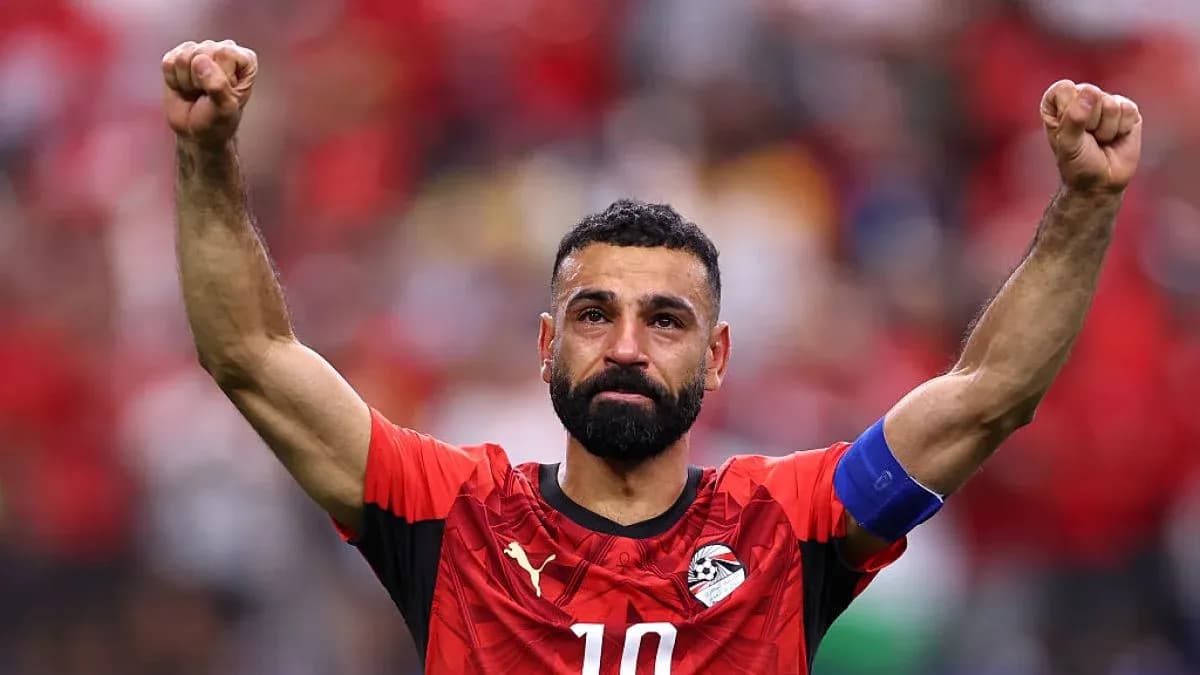
Every taker after that seemed to understand the moment. Five penalties in a row were buried, each one ratcheting up the pressure on the next. Salah, subdued for most of the night and clearly still feeling the effects of his hamstring strain, stepped up and rolled his spot-kick in with a cold, almost casual precision. The captain’s body looked heavy; his technique did not.
Then came the crack.
Lucas Herrington, just 18 and carrying a nation’s hope on young shoulders, smacked his effort against the bar. It cannoned out, the sound echoing around the stadium like a verdict.
Abdelmaguid did the rest. Calm run-up, firm finish, and suddenly Salah was on his knees in tears, surrounded by team-mates who had just rewritten their country’s football story.
A night that began with nerves and an early punch
The drama of the shootout almost erased what came before, but Egypt had to survive a fraught, uneven contest to get there.
They actually started by taking control. With just 13 minutes gone, and after a jittery opening at the back, Hossam Hassan’s side struck. Australia switched off at the far post, Nestory Irankunda lost his man, and Emam Ashour ghosted in behind to meet Karim Hafez’s cross. His header, his second goal of the tournament, flew in and settled Egyptian nerves.
It was slightly against the run of play. Cristian Volpato had already rattled the top of the crossbar inside five minutes, a reminder of why Australia had pushed so hard to secure his allegiance from Italy on the eve of the tournament. Egypt, despite beating New Zealand 3-1 in the group stage for their first-ever World Cup win, looked edgy at the back.
The goal changed the mood. The onus fell on an Australia side that had managed only two goals in the group phase. They needed to chase, to stretch, to risk. Instead, they laboured.
Their first shot on target did not arrive until 10 minutes before half-time, when Aziz Behich’s tame effort drifted into the gloves of Mostafa Shobeir. In the stands, Ahmed Shobeir – who kept goal for Egypt at the 1990 World Cup – would have recognised the routine save.
Salah, at 34 and patched up after his hamstring issue, offered little in the opening period. He drifted, he probed, but the usual acceleration and menace were missing. The half ended with more concern for Australia than for him: Jordan Bos, one of the quickest players at this World Cup, was left in a heap after a rugged aerial challenge from Rabia and had to be helped off, replaced at the break by Kai Trewin.
Australia fight back as Egypt wobble
The second half exploded into life almost immediately. Within seconds of the restart, Egypt should have been out of sight. Omar Marmoush, the Manchester City forward, slid a golden chance wide from close range. It felt like a moment that might linger.
It did.
Hassan had warned about Australia’s physical edge, and the equaliser came straight from that script. An in-swinging free-kick, bodies colliding, and Mohamed Hany – under heavy pressure – could only glance the ball past his own goalkeeper. His second own goal of the tournament, and a brutal way to drag Australia back into it.
The goal flipped the psychology. Egypt, who had been inching towards control, suddenly had to wrestle with doubt. Australia sensed it. Both sides knew what was at stake: neither had ever won a knockout match at a men’s World Cup. Every duel, every second ball, carried the weight of first-time history.
The game grew scrappy, attritional, thick with tension. Salah remained on the fringes, but he still had one more act in regulation time. Deep into added time, he helped stitch together a move that ended with Patrick Beach producing a superb save to deny Ramy. It was the last meaningful touch before extra time.
Extra time, exhaustion and the long walk to glory
By the end of 90 minutes, Egypt looked the stronger side. Australia, who had lost Bos and reshuffled their back line, were hanging on.
Early in extra time, Salah finally found a pocket of space, only to lash his weaker right-footed effort high over the bar. The chance came and went, and with it the sense that this would be settled from open play. Fatigue took over. Legs slowed, minds tightened, and both teams played with one eye on the looming shootout.
Egypt had been here emotionally already in this tournament, chasing that first win, trying to shake off decades of underachievement on the global stage. Now they were 12 yards away from a different frontier entirely.
Australia, for all their grit, blinked first.
Souttar’s miss set the tone. Herrington’s misfortune sealed it. Between them, Egypt’s takers showed a steel that belied the country’s lack of World Cup pedigree. Salah, so often the man who carries them, this time became part of a broader collective resolve.
When Abdelmaguid’s penalty hit the net, it did more than win a match. It dragged Egypt into a new chapter.
Argentina – or Cape Verde – await
The reward is stark and glittering. In Atlanta on Tuesday, Egypt will meet the winner of Argentina’s tie with Cape Verde. On paper, Lionel Messi and the reigning champions stand in their path, assuming they avoid a seismic shock.
For now, that can wait.
In Texas, under the lights and the air-conditioned roof of the Dallas Cowboys’ home, Egypt finally stepped out of their World Cup shadows. Not on a Salah solo, not with a flourish, but with a shootout that tested every nerve they had.
The Pharaohs have been crowned champions of Africa seven times. They have waited a lifetime to matter like this on the biggest stage of all. Now they walk towards Messi’s world with something new: knockout pedigree, and the feeling that history no longer belongs to other nations alone.