Earl M. Hilton III to Step Down After 15-Year Transformative Tenure at North Carolina A&T
EAST GREENSBORO, N.C. – One of the most influential figures in modern HBCU athletics is preparing to walk away from the big chair.
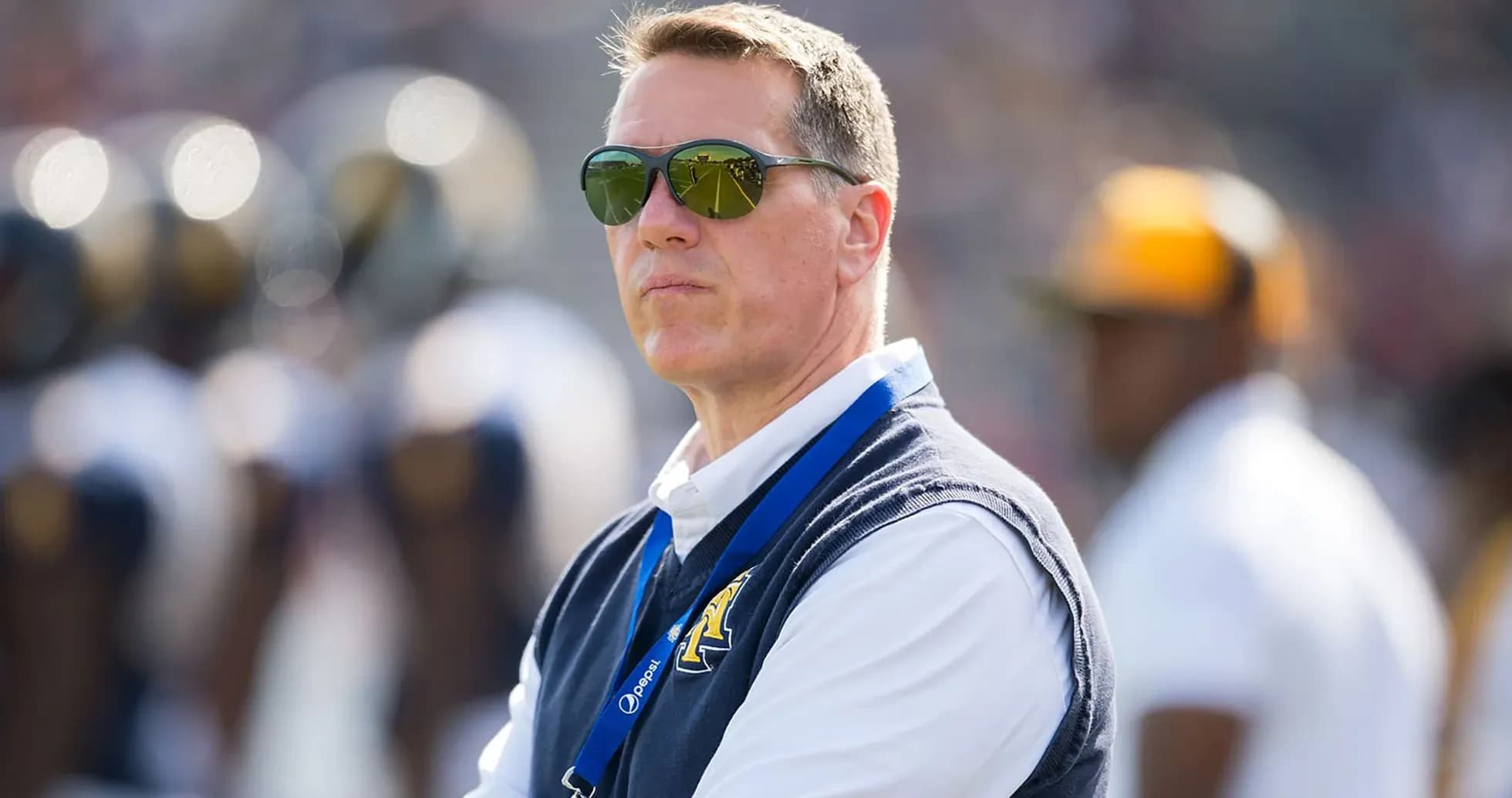
Earl M. Hilton III, the longtime North Carolina Agricultural and Technical State University athletics director who helped drag Aggie sports from “academic and organizational chaos” into a nationally respected Division I operation, will step down this summer at the end of his contract, the university announced Tuesday.
A national search for his successor begins immediately. Hilton will remain in place until the new athletics director is hired and seated, ensuring a controlled handover rather than a vacuum at the top.
From Crisis to “Excellence Without Apology”
When Hilton took over on an interim basis in late 2010 and was named permanent AD in February 2011, the department he inherited was in disarray. One media outlet’s description — “academic and organizational chaos” — was no exaggeration.
Hilton, a seasoned athletics administrator with eight years of student affairs leadership behind him, attacked the problem with a clear mantra: “excellence without apology.” With that as his standard, he rebuilt the structure around A&T’s 17 intercollegiate programs.
The numbers tell the story.
- Under his watch, student-athlete graduation rates climbed by more than 51%.
- Annual giving to athletics didn’t just improve; it exploded, growing more than 15-fold.
- On the field, track, and court, Aggie teams and individuals combined for more than 70 individual, team, conference, national, and Olympic championships.
Chancellor James R. Martin II framed Hilton’s impact in the classroom as every bit as important as the trophies.
“North Carolina A&T is tremendously grateful for the outstanding leadership Earl has provided for our student athletes over the past 15 years,” Martin said. “He created an environment in which more than 300 student athletes each year never lose sight of the fact that they are students first and that success in the classroom comes before competition on the playing field.
“We have especially appreciated his steady hand in a time of unprecedented change throughout the NCAA.”
Celebration Bowl Glory and Olympic Gold
While Hilton insisted on academic rigor, he also presided over one of the most successful competitive eras in A&T history.
From 2015 to 2019, Aggie football became the standard-bearer for Black college football. A&T won four Celebration Bowls in that five-year span, each one doubling as a Black college football national championship. The Aggies didn’t just win; they established a modern dynasty at the HBCU level.
Track and field then pushed the brand onto the global stage.
At the Tokyo Olympics in 2021, A&T athletes brought home three medals — two of them gold — a staggering return for a program from a historically Black college or university. The momentum rolled into 2022, when the men’s track and field team finished second at the NCAA Indoor Championships, behind only Texas. No Division I HBCU had ever placed that high indoors.
Those results gave A&T a new competitive identity: a program that could dominate within HBCU circles and stand toe-to-toe with the nation’s elite.
Navigating a New Era in College Sports
Hilton’s tenure coincided with a period of upheaval across college athletics. The NCAA transfer portal reshaped rosters. Name, Image and Likeness (NIL) deals and direct payments to student-athletes changed the economics and expectations of recruiting and retention.
Amid that turbulence, Hilton managed a large Division I department that had to keep pace with shifting rules while still honoring the mission of a public, historically Black research university.
His peers noticed. In 2019, Hilton was named an Under Armour Athletics Director of the Year for NCAA Football Championship Subdivision institutions, a national recognition that underscored his stature beyond A&T’s campus.
The Aggies’ conference journey under Hilton reflected that ambition. In 2020, he led the move from the Mid-Eastern Athletic Conference to the Big South Conference. Two years later, A&T shifted again, landing in its current home, the Coastal Athletic Association.
Those decisions were not cosmetic. They aligned A&T more closely with other doctoral research universities chasing similar academic and athletic goals while giving Aggie teams and athletes broader visibility and stiffer competition.
A Legacy Built on People
Hilton’s impact cannot be separated from the people he brought into the program. Working closely with other university leaders, he recruited coaches who could win and still embrace the “students first” mandate. He attracted gifted athletes and surrounded them with administrative staff committed to structure and accountability.
The result: a department that no longer resembled the one he found in 2010.
“It has been my singular privilege to have worked with so many wonderful and talented student athletes and the dedicated coaches and staff who support them. I have been blessed to be part of a remarkable community of boosters and fans who have sustained us with unflinching resolve,” Hilton said.
“I am honored to have witnessed historic academic and athletic achievement and look forward to our continued success under the leadership of Chancellor Martin and the next athletics administration.”
The search now turns to finding someone willing — and able — to follow that act.