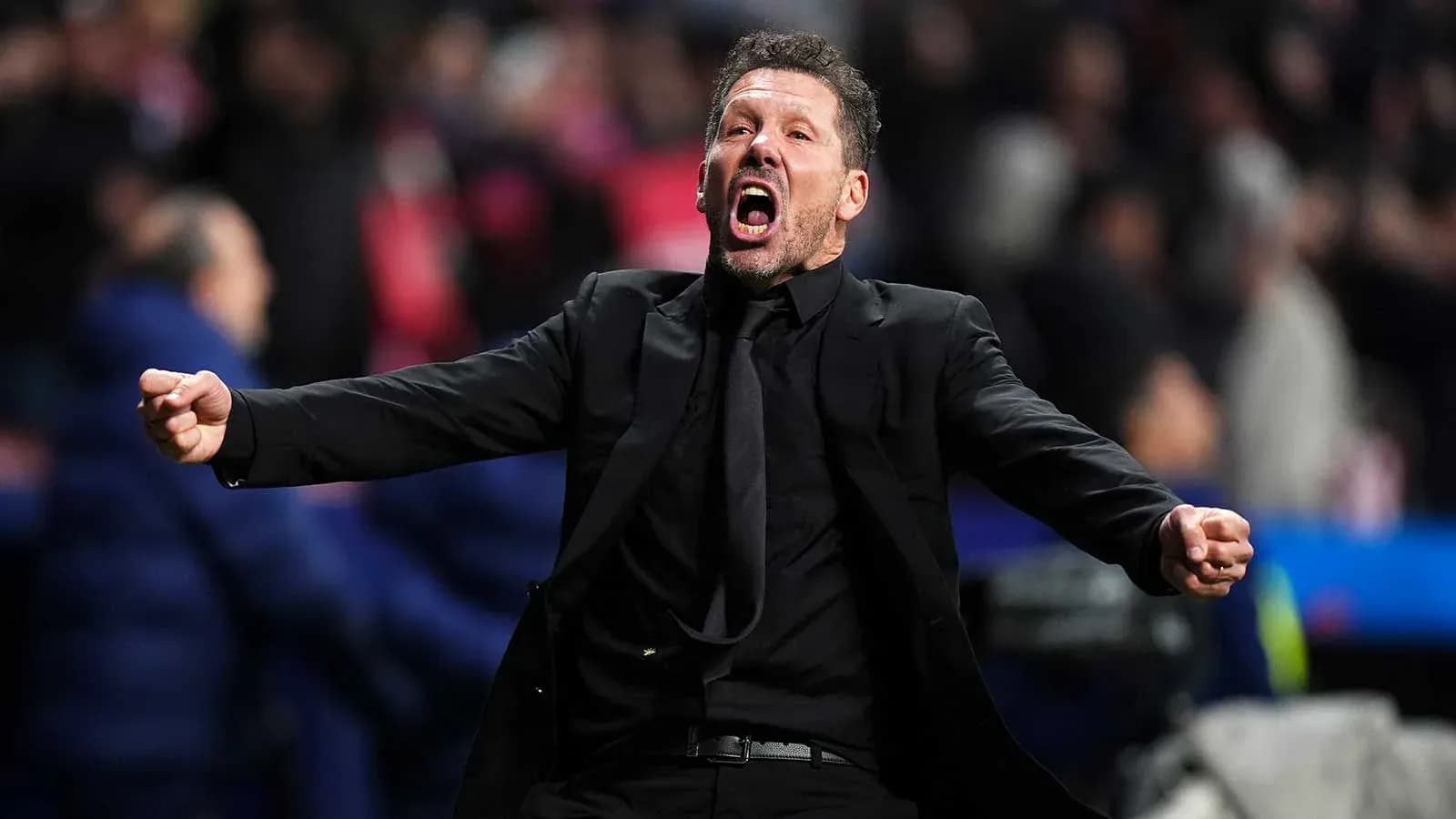
Diego Simeone Reflects on 15 Years at Atlético Madrid
Diego Simeone has never been one for the romantic myths of football. Asked yet again about his supposedly “defensive” style, the Atlético Madrid coach cut straight through the noise: every coach, he said, is chasing the same thing – to win.
Then came the sting. Could the attacking purists, those who preach expansive football from comfortable perches, really keep that same style at other clubs without conceding a flood of goals? The question hung in the air, half-rhetorical, half-accusation.
The Weight of 15 Years
If the sarcasm showed the familiar Simeone edge, the rest of the interview revealed something rarer: a man feeling the strain of a 15-year reign.
“All this weight I feel now after 15 years, I did not feel it in the first three or four seasons,” he admitted. Back then, he said, he felt “free and at ease,” and winning was a joy. Now, it is something else entirely.
“Winning was a pleasure, but today it is merely a relief. We are suffering because we have taken the club to a place where we have become more exposed and under enormous pressure.”
That is the paradox of Simeone’s Atlético. He dragged the club into the elite, then discovered that life at the top offers little room to breathe. Every season is a test of whether they can stay there.
Life in the Shadow of Giants
Simeone did not sugar-coat the reality of competing in Spain. Atlético, he stressed, cannot afford an off day.
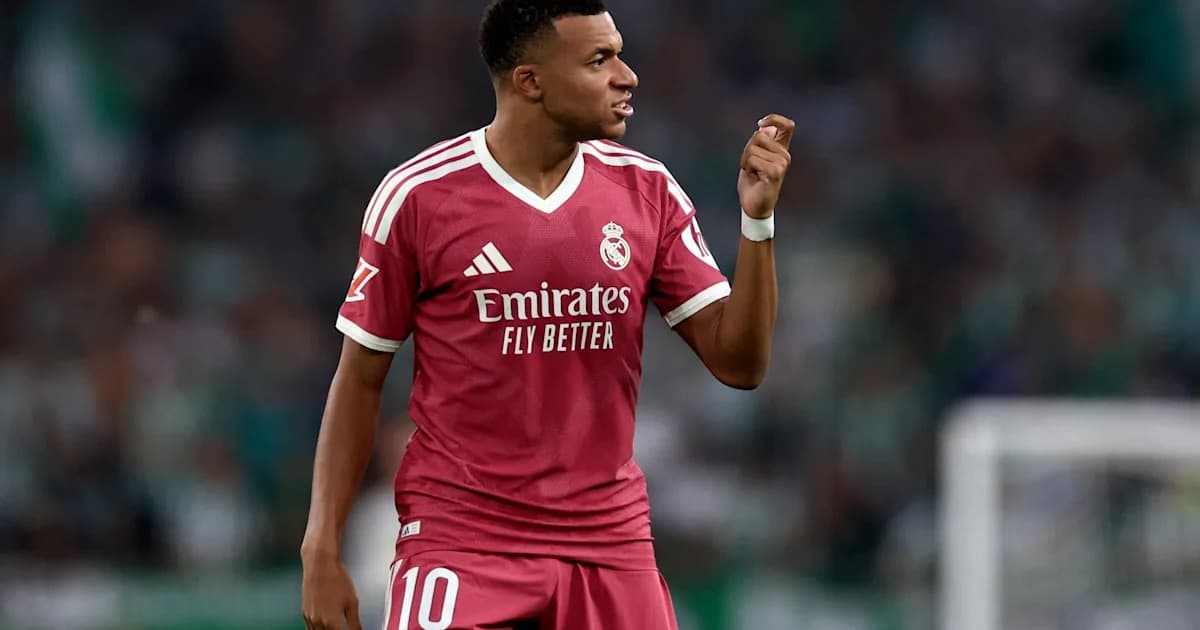
For Real Madrid and Barcelona, he argued, a single goal often suffices. “One goal is enough for them to win, because Mbappé or Lamine Yamal might appear suddenly and score.” That is the luxury of having game-breakers who can turn a flat performance into three points with a single moment.
For Atlético, it is different. “Giving our maximum effort is not enough to win,” he said, because Barcelona and Real Madrid are “rarely below their level at the same time.” To keep pace with that is not just a tactical challenge; it is an emotional grind.
Silence on Álvarez, Focus on the Collective
The coach’s guard went up when the subject turned to Julian Alvarez. Any hint of a stance on his compatriot’s negotiations with Barcelona was quickly brushed aside. No comment, no fuel for the fire.
Alvarez has grown into one of the most prominent figures in the Atlético squad, but Simeone steered the conversation away from the forward and back to his pillars: defensive solidity, responsibility, the never-ending duel with Madrid and Barça.
That silence did not feel accidental. It looked like a deliberate move to distance himself from the noise around Alvarez – whether it’s questions over how the forward fits Atlético’s style, his role next season, or whispers of a move to a direct rival. Simeone chose not to play that game.
Rebuilding the Wall
Talk turned to the new season, and here Simeone’s tone shifted again. He sounded assured, even calm, about the club’s planning.
“The club is making relentless efforts, and there is still plenty of time until the first of September,” he said, offering a measure of reassurance to Atlético fans. He underlined his faith in the hierarchy: “I trust that the management of the Madrid club will provide me with the tools needed to compete, as it has always done.”
Then came the key demand. Not a new star, not a sweeping tactical revolution. A return to something that once defined his Atlético.
“I would like us to regain the defensive solidity we lost, because last season, especially in the Champions League, we produced a very poor defensive performance.”
For a coach who built his legend on a team that refused to give an inch, that admission cut deep. Yet he reminded everyone that even in that flawed campaign, Atlético went far. “We reached the semi-final, so imagine how we had to attack, something no one appreciates because we are Atlético Madrid.”
He wants more from his midfielders too. Goals from deeper areas, extra weight in the box, more variety in how Atlético hurt teams. The old foundations, with an added edge.
Griezmann, the Genius and the Man
If there was one moment that stripped away the armour, it came when Simeone spoke about Antoine Griezmann. The tactical talk gave way to something more personal.
“I'm very fortunate. We built a wonderful relationship, my daughters are friends with his children, I've had the chance to work with a genius, I feel deeply moved when I talk about him.”
For all the intensity, the touchline rage and the relentless demands, this was Simeone the human being, not the touchline general. Griezmann is not just a star to him; he is part of the fabric of Simeone’s Atlético, on and off the pitch.
Beyond Records, Chasing Time
Simeone closed by swatting away any comparison with the great long-serving managers of the modern era. He is not, he insisted, clinging on to chase the records of Arsène Wenger or Sir Alex Ferguson.
His fuel is different: energy and humility, the willingness to keep going, to keep suffering for marginal gains. His true obsession is not longevity, but time itself – or rather, shrinking it.
He has already cut the gap between Atlético league titles from 18 years before his arrival in 2011 to seven years between the 2014 and 2021 triumphs. The next step is obvious, even if he did not spell it out.
Can he bring that interval down again, in an era where Real Madrid and Barcelona rarely drop their guard?
That, more than any debate about style, will define the final chapters of Diego Simeone’s story in red and white.