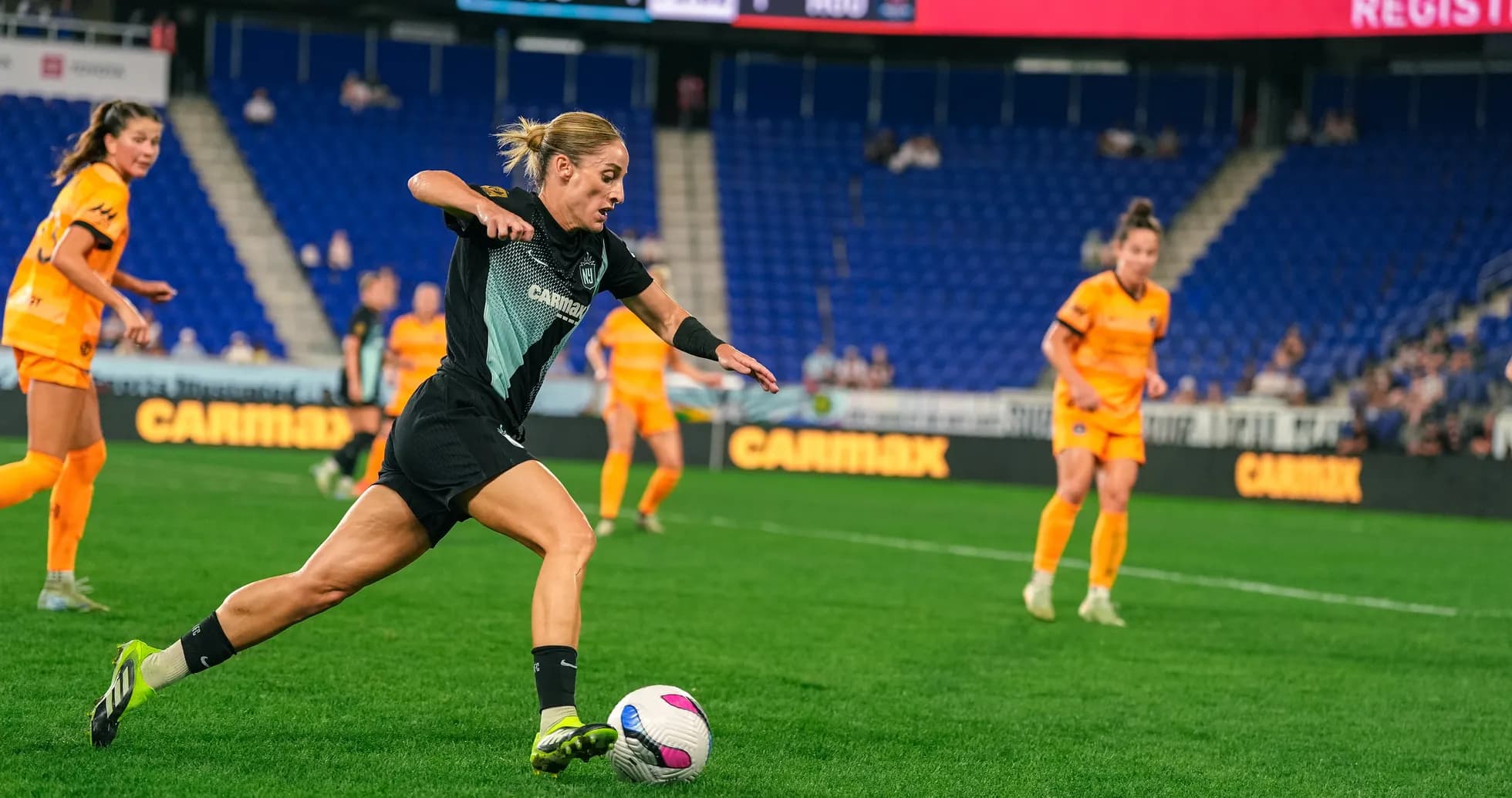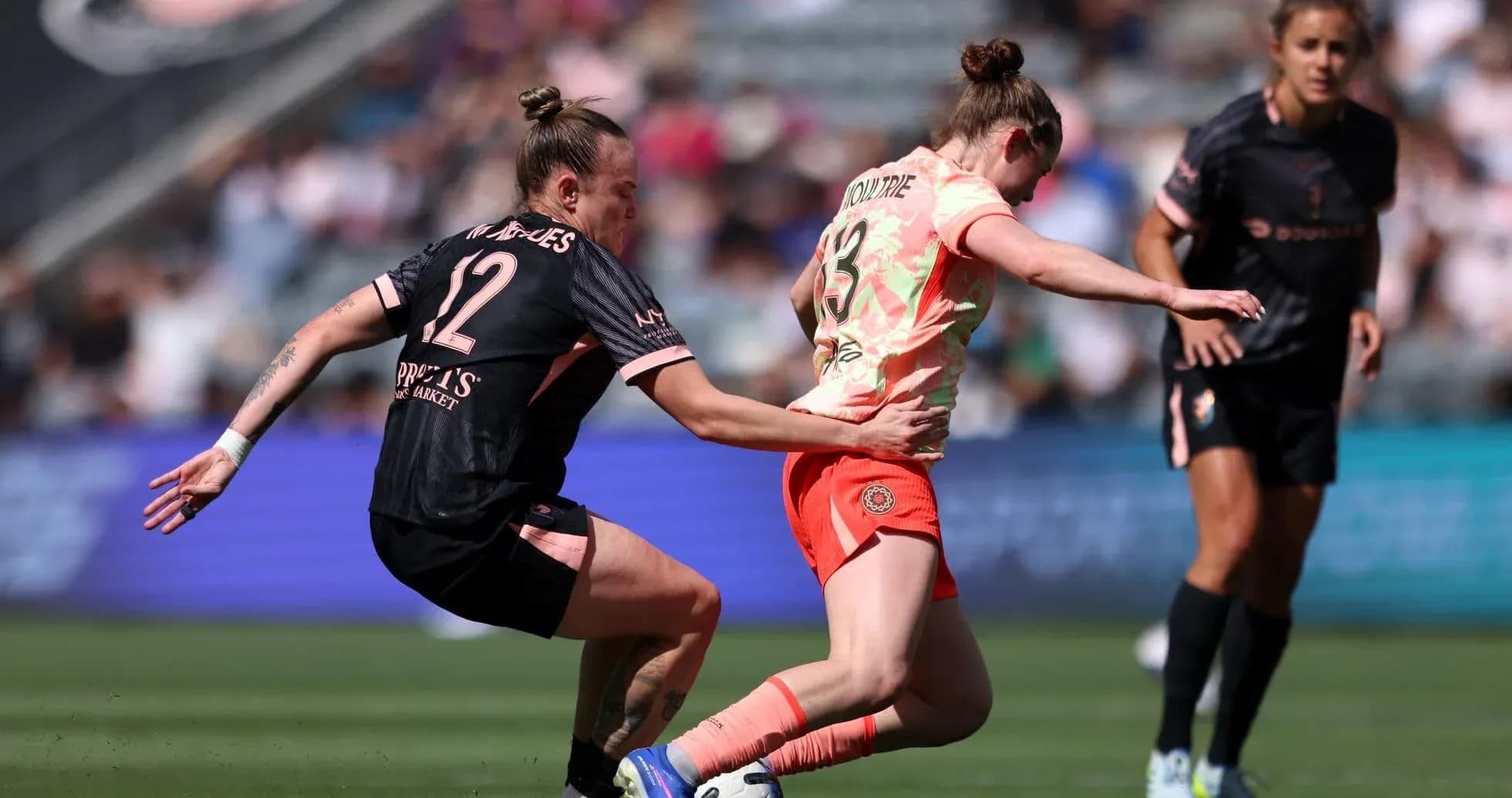
Denver Summit W vs Orlando Pride W: Mid-Group NWSL Women Clash
Denver Summit W host Orlando Pride W in a mid-group NWSL Women clash in 2026 that already has direct implications for the playoff picture: Denver sit 12th with 9 points while Orlando are 7th on 11 points, currently in a position described as “Promotion - NWSL Women (Play Offs: Quarter-finals)”. A home win would pull Denver level on points with Orlando and drag the visitors back towards the pack, while an away victory would give Orlando a five-point cushion over Denver and strengthen their grip on a playoff slot.
Head-to-Head Tactical Summary
The only recent meeting in the data set came on 21 March 2026 at Inter&Co Stadium in Orlando, in the NWSL Women group stage. Orlando Pride W, at home, drew 1-1 with Denver Summit W. Denver led 1-0 at half-time (HT 0-1) before Orlando equalised to finish 1-1 in regular time. That match showed Denver’s ability to strike first away from home and Orlando’s capacity to recover within 90 minutes.
Global Season Picture
- League Phase Performance:
In the league phase, Denver Summit W are 12th with 9 points from 8 matches, scoring 12 goals and conceding 10 (goal difference +2). Their overall record is 2 wins, 3 draws, 3 losses. At home they have played 2 league games, with 0 wins, 1 draw, 1 loss, scoring 2 and conceding 3.
Orlando Pride W are 7th with 11 points from 9 matches, scoring 13 and conceding 13 (goal difference 0). Their record is 3 wins, 2 draws, 4 losses. Away from home in the league phase they have played 4 times, with 1 win, 1 draw, 2 losses, scoring 6 and conceding 5. - Season Metrics:
Scope detection: team_statistics games played (Denver 8, Orlando 9) match the standings totals, so these are league-only numbers and must be read as In the league phase.
For Denver Summit W, in the league phase: - Goals for: 12 (1.5 per match) and goals against: 10 (1.3 per match), confirming a relatively balanced profile between attack and defense. - Their scoring spread is fairly even, with notable productivity between minutes 16-30 (4 goals, 30.77%) and 61-75 (3 goals, 23.08%), suggesting they build into games rather than relying solely on fast starts. - Defensively, they are most vulnerable between 31-45 minutes (3 goals conceded, 33.33%) and 46-60 (2 goals, 22.22%), pointing to concentration drops either side of the interval. - Discipline-wise, Denver’s card profile is skewed to the second half: 4 yellow cards between 46-60 minutes (44.44% of their yellows) and 2 between 76-90, plus a single red card in the 16-30 window. That pattern implies increasing defensive stress as matches progress. For Orlando Pride W, in the league phase: - Goals for: 13 (1.4 per match) and goals against: 13 (1.4 per match), indicating a perfectly neutral goal balance with neither a standout attack nor defense in pure volume terms. - Offensively, they peak late in halves: 4 goals between 31-45 minutes (30.77%) and 4 between 76-90 (30.77%), which underlines their threat around the end of each half. - Defensively, they concede most between 16-30 and 46-60 minutes (3 goals in each range, 23.08% each), mirroring some of Denver’s mid-half vulnerabilities. - Card distribution shows Orlando’s yellow cards rising towards the final half-hour (3 yellows between 61-75 and 3 between 76-90, 25.00% each), consistent with a team that often defends under pressure late on. They have no red cards recorded in the league phase. - Form Trajectory:
In the league phase, Denver’s form string “WLLDD” indicates a recent pattern of 1 win, 2 losses, then 2 draws. That points to a side that has stabilised somewhat after back-to-back defeats but is still struggling to convert performances into wins, particularly at home where they remain winless.
Orlando’s form string “LWLLW” shows 2 wins and 3 losses in their last five league matches. The alternation between wins and defeats reflects volatility: when they win, they keep their playoff push alive; when they lose, they invite pressure from teams like Denver. The lack of consecutive positive results so far caps their upward momentum in the table.
Tactical Efficiency
Without an explicit comparison block, we infer tactical efficiency from the league-phase statistics profile.
Denver Summit W’s attack is moderately efficient: 12 goals in 8 matches (1.5 per match) with relatively few high-scoring games (only 1 match over 2.5 goals in their under/over profile). That suggests they tend to play in controlled, lower-scoring environments rather than open shootouts. Their defense, conceding 10 (1.3 per match) and registering 3 clean sheets, is reasonably solid but with clear time-window weaknesses before and just after the interval. The combination points to a side whose “Attack/Defense Index” would skew slightly towards defensive reliability rather than explosive attacking output.
Orlando Pride W show a near-identical volume profile with 13 scored and 13 conceded in 9 league matches (1.4 for and 1.4 against per match). They also have 3 clean sheets and have failed to score only once, indicating a more consistent baseline threat in attack than Denver, even if not especially prolific. Their late-half scoring spikes, combined with similar late-half concession patterns, point to a more “swingy” game state profile: they are often involved in matches where momentum shifts around the end of each half. In comparative terms, Orlando’s “Attack/Defense Index” would likely grade as balanced but higher variance than Denver’s: not a better defense, but an attack that can swing matches in short bursts.
Both sides’ card profiles—Denver’s red card and heavy second-half yellows, Orlando’s cluster of late yellows—suggest that match control and game management could be decisive. Orlando’s more settled use of a 4-2-3-1 across all 9 league fixtures underlines tactical continuity, while Denver’s lack of recorded lineups hints at ongoing experimentation or incomplete data; that typically correlates with a slightly lower tactical efficiency compared with a stable, rehearsed structure.
The Verdict: Seasonal Impact
This fixture carries clear playoff and mid-table implications in the NWSL Women group stage. Orlando Pride W arrive in the current quarter-final playoff band on 11 points, but with a fragile form line and a neutral goal difference (13-13). A win away in Denver would likely consolidate their top-eight standing, create a five-point buffer over Denver, and give them a platform to target a higher seeding for the quarter-finals. It would also validate their away model—currently 1 win, 1 draw, 2 losses—pushing that record towards parity and increasing confidence in their 4-2-3-1 structure on the road.
For Denver Summit W, 12th place on 9 points with a positive goal difference (+2, 12-10) is a sign that underlying performance is better than their ranking suggests. However, a continued failure to win at home (0 wins in 2 league matches so far) would keep them anchored in the lower reaches and risk turning a potential playoff chase into a season spent fighting just to stay in touch with the top eight. A home victory here would not only erase the current two-point gap to Orlando but also send a strong signal that their balanced goal profile can translate into results against direct playoff rivals.
In forward-looking terms, this match is less about the title race and more about defining trajectories for the playoff zone. Orlando can use it to stabilise an erratic form curve and entrench themselves in the quarter-final picture; Denver can use it as a pivot point to convert respectable metrics into upward movement. Given how tight the mid-table band is likely to be later in 2026, the head-to-head points swing here could be a direct tiebreak factor in determining who reaches the quarter-finals and who falls just short.