Crystal Palace's Tactical Mastery in 3–1 Win Over Tottenham
The battle: possession, territory and game state
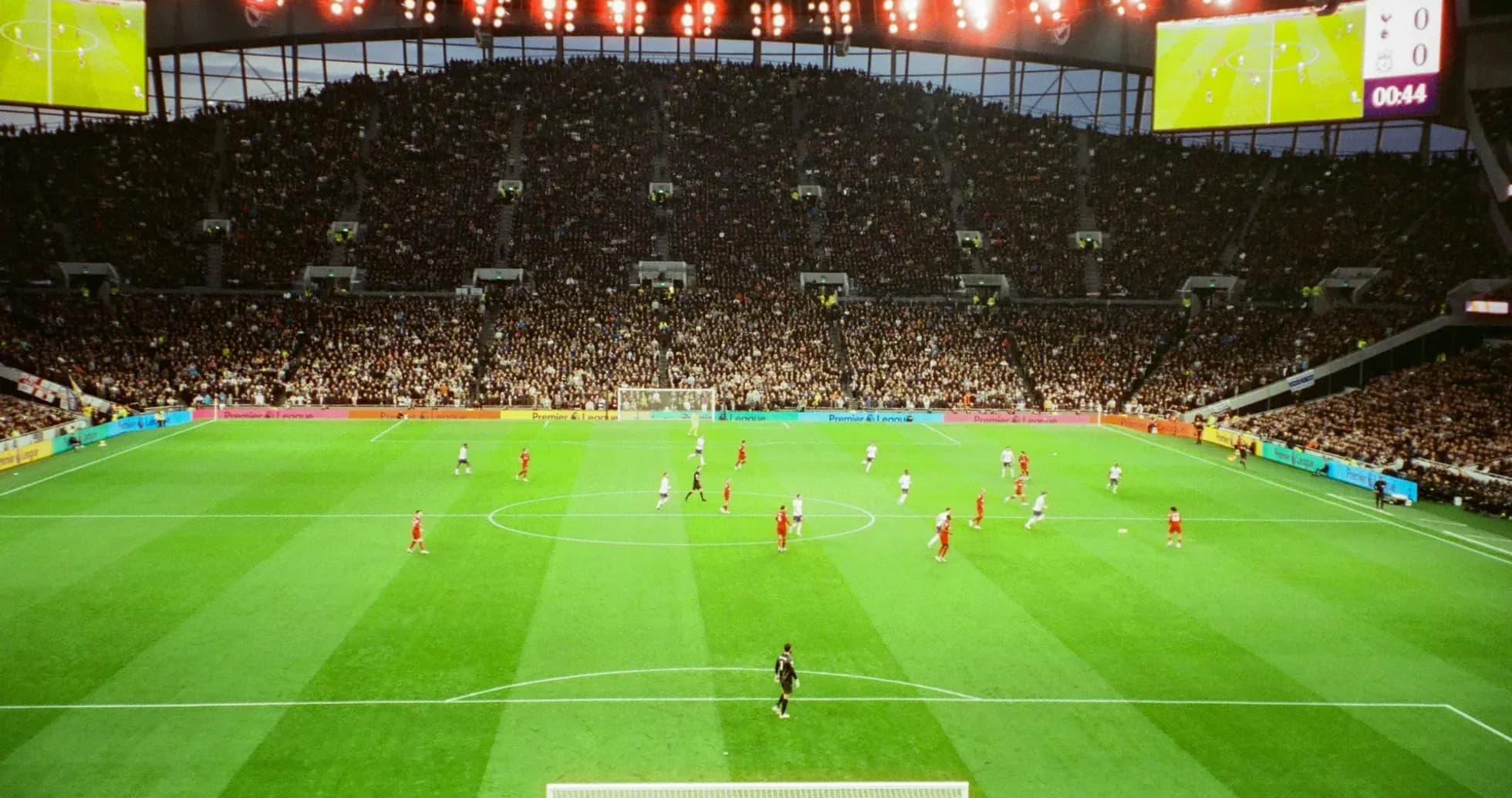
Crystal Palace’s 3–1 away win at Tottenham Hotspur Stadium was built on territorial and ball control once the game flipped to ten versus eleven. Palace had 60 percent of the ball to Tottenham’s 40 percent, circulating with 463 passes at 87 percent accuracy versus Spurs’ 311 at 78 percent. Before the red card at 38 minutes, Tottenham’s 3‑4‑2‑1 was aggressive and vertical, with ten of their twelve shots coming inside the box, trying to compress the pitch and attack early through Dominic Solanke and the two mobile forwards.
The dismissal of Micky van de Ven for a last‑man professional foul forced Tottenham into a low, survival block. From that moment, Palace’s similar 3‑4‑2‑1 effectively became a 3‑2‑5 in possession, with Adam Wharton and Daichi Kamada dictating the tempo and repeatedly pinning Spurs back. The scoring threat numbers reflect this shift: Palace generated around 1.78 worth of chance value to Tottenham’s 1.09, aligning closely with the 3–1 outcome.
Offensive mechanics: where the chances came from
Tottenham’s 12 shots to Palace’s 9 suggest balance, but the pattern is different. Spurs relied on quick, direct entries: ten shots from inside the box, yet only four on target and five attempts blocked by Palace, showing the visitors’ compact penalty‑area defending. Solanke’s opener on 34 minutes, assisted by Archie Gray, came from a well‑timed central combination before the game state changed.
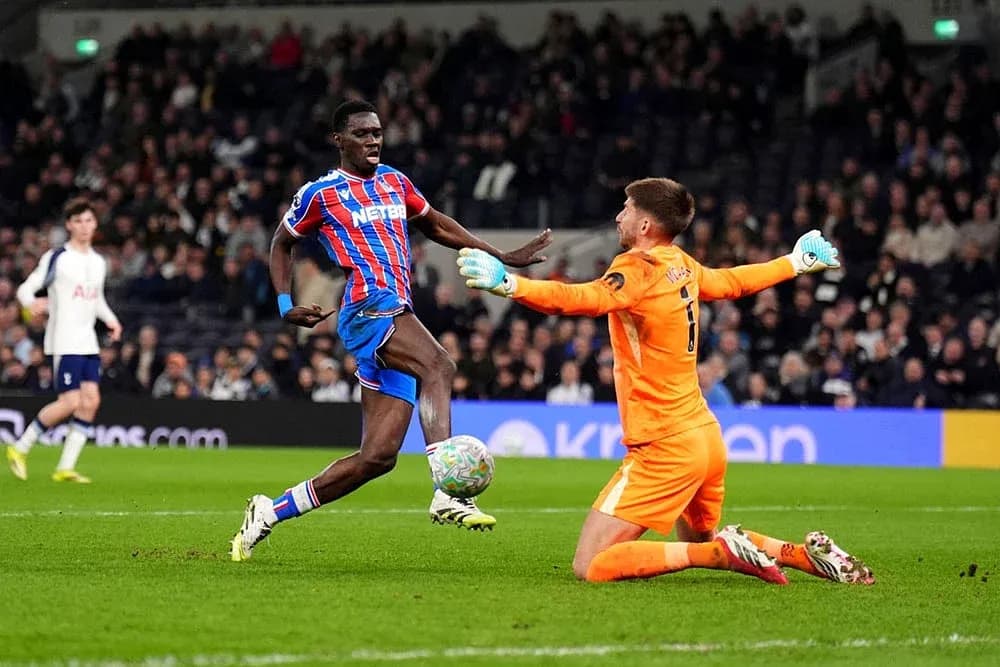
Palace’s attack was more controlled and sequenced. Eight of their nine shots were inside the box, with four on target, and only three blocked by Tottenham. After the red card, Palace attacked the half‑spaces ruthlessly. The penalty converted by Ismaïla Sarr at 40 minutes, then the two first‑half stoppage‑time goals from Jørgen Strand Larsen and Sarr again, both assisted by Wharton, highlight a clear pattern: overloads between Tottenham’s wide centre‑backs and wing‑backs, then cutbacks or penetrative passes into zone fourteen.
Defensive intensity: cards, duels and work under the bar
Both sides committed 14 fouls, but Tottenham’s defensive desperation showed in card types and timing. Souza’s early yellow for a foul at 7 minutes and Pape Matar Sarr’s yellow for argument at 25 minutes hinted at emotional volatility. Van de Ven’s red for a last‑man professional foul at 38 minutes was the decisive defensive event, structurally collapsing Spurs’ high line.
Yves Bissouma’s yellow for argument at 82 minutes underlined Tottenham’s frustration late on. Palace’s bookings were more routine game management: Strand Larsen’s foul at 22 minutes and Nathaniel Clyne’s foul in stoppage time at 90+2. In goal, Dean Henderson’s three saves versus Guglielmo Vicario’s single stop reflect Palace’s slightly greater shot‑stopping workload but within a controlled structure; neither keeper produced extreme over‑performance under the bar.
Substitutions as tactical phases
At 14 minutes, Palace’s early switch of Daniel Muñoz for Nathaniel Clyne was a reactive defensive adjustment, likely to stabilise the right flank without changing shape.
The 43‑minute double change for Tottenham, Bissouma for Randal Kolo Muani and Conor Gallagher for Souza, was a structural reset after the red card: sacrificing a forward and a more offensive midfielder to reinforce central control and protect the back line in a 4‑4‑1 or 3‑4‑1 hybrid.
At 67 minutes, Palace replaced Evann Guessand with Brennan Johnson. This added fresh pace and pressing from the front, ensuring Tottenham’s attempts to build from deep with Bissouma and Gallagher could not progress cleanly.
Tottenham’s 74‑minute double change, Xavi Simons for Pedro Porro and Richarlison for Solanke, was a gamble: injecting creativity and penalty‑box presence while effectively asking Simons to act as an advanced playmaker from wide zones. It marginally increased Spurs’ attacking threat but further stretched their already stressed defensive structure.
Palace’s 81‑minute double substitution, Christantus Uche for Strand Larsen and Will Hughes for Wharton, was about closing the game: fresh legs in midfield and attack to maintain counterpressure and possession security, reducing the risk of late transitions against.
Conclusion
The data points to a game decided by game state and structural control. Tottenham’s early verticality produced the first goal but could not survive the numerical disadvantage. Palace’s superior possession, cleaner passing, and slightly higher chance quality, combined with disciplined box defending and well‑timed substitutions, fully justify a 3–1 away win that mirrored the underlying tactical balance.