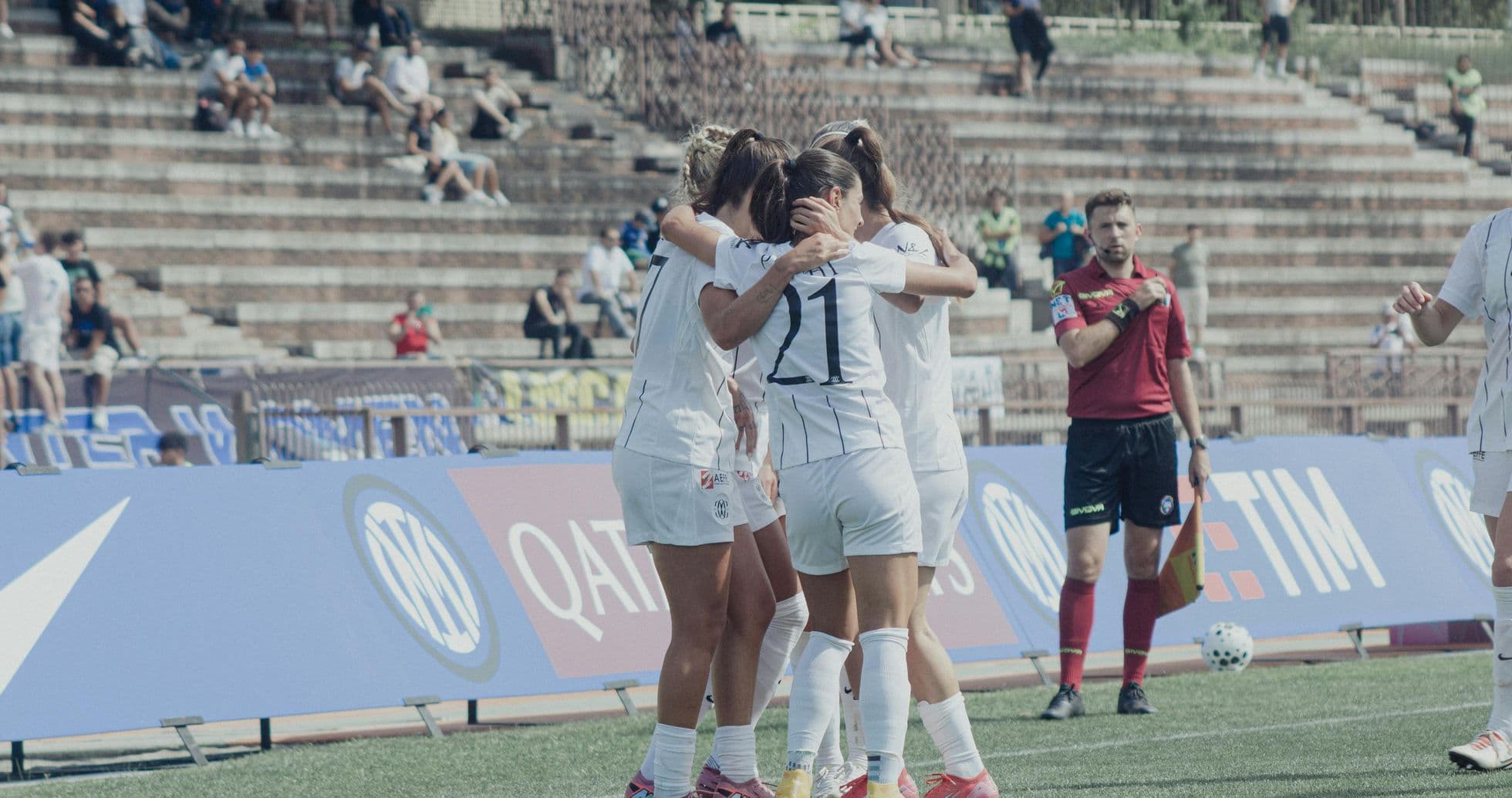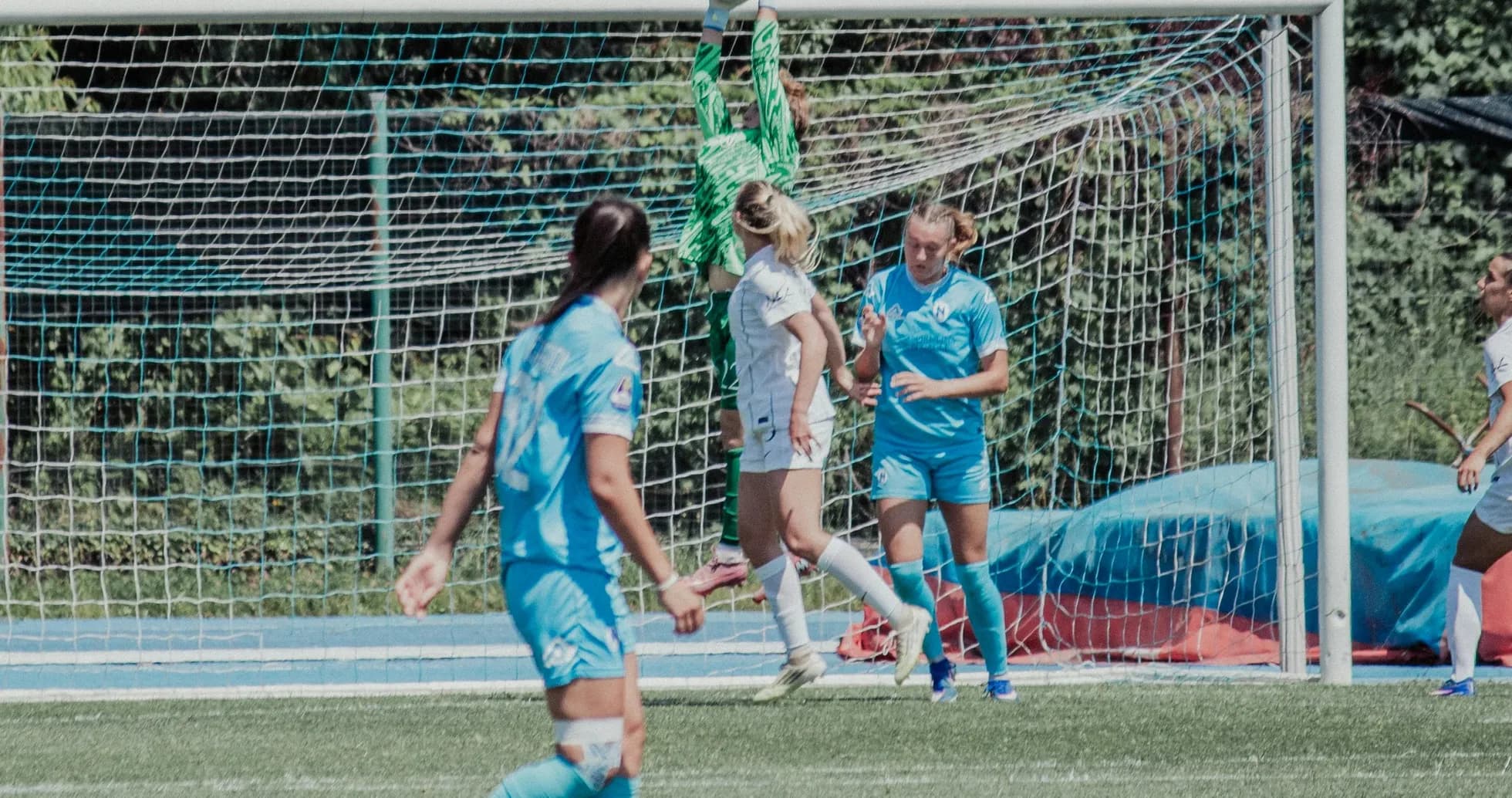
Como W and Napoli W Draw 0–0: Tactical Insights from Serie A Women
Stadio Ferruccio felt like a stage set for clarity, yet Como W and Napoli W walked away from their 0–0 draw with as many questions as answers. Following this result, the table says mid‑table comfort – Napoli W in 7th on 31 points, Como W 8th on 27 – but the 90 minutes in Seregno told a more nuanced story about two squads trying to refine their identities in the closing stretch of the Serie A Women season.
I. The Big Picture – Two mid‑table profiles, two different DNAs
Overall this campaign, Como W have been defined by balance and fine margins. Their goal difference of -1 is the product of 21 goals scored and 22 conceded across 21 matches, and the draw here was almost a perfect microcosm of that equilibrium. At home they average 0.9 goals for and 1.2 against, and the stalemate underlined both their attacking limitations and their defensive organisation.
Napoli W arrive from a different angle. On their travels they carry a more expansive profile: 17 away goals from 11 matches, an average of 1.5, with 13 conceded away at 1.2 per game. Overall they sit at +5 goal difference (29 for, 24 against), a side that leans into attacking risk and usually finds a way to turn matches into multi‑goal affairs. That they were held scoreless here says as much about Como W’s defensive structure as it does about Napoli W’s occasional lack of ruthlessness.
II. Tactical Voids and Discipline – Edges left unused
There were no listed absences in the data, so both coaches, Selena Mazzantini and David Sassarini, effectively had their core groups available. That makes the goalless outcome even more tactical than circumstantial.
For Como W, the season‑long narrative is of a team that can shut games down but sometimes struggles to open them up. They have kept 9 clean sheets overall (4 at home), but have failed to score in 8 matches, split evenly between home and away. The starting XI reflected that blend: the security of A. Gilardi in goal, a back line anchored by A. Marcussen and S. Howard, and a midfield spine built around the work rate of M. Pavan and the creativity of A. Chidiac. Ahead of them, N. Nischler led the line as the primary goal threat from the Como W side of the scoring charts.
Napoli W, by contrast, came with attacking ambition on paper. C. Fløe, one of the league’s standout forwards with 6 goals and 2 assists in 20 appearances, started alongside the technically gifted M. Banušić and the intelligent movement of C. Floe. Behind them, the double presence of M. Bellucci and K. Kozak in midfield promised progression through the thirds, while the back line, including high‑card defender T. Pettenuzzo and the shot‑blocking specialist M. Jusjong, was tasked with containing Como W’s counters.
Disciplinary patterns offered a subtle sub‑plot. Como W’s yellow cards this season spike between 46–60 minutes, where 35.00% of their cautions arrive, often as they try to reassert control after half‑time. Napoli W, meanwhile, see 23.08% of their yellows in the 31–45 and another 23.08% in the 61–75 window, suggesting a team that can get stretched as each half opens up. While we lack the minute‑by‑minute card data for this specific fixture, the broader trend hints at why both sides were cautious in transitional phases, particularly around the hour mark.
III. Key Matchups – Hunter vs Shield, Engine Room battles
Hunter vs Shield
The headline duel was always going to be Napoli W’s front three against Como W’s defensive block. C. Fløe, with 39 shots and 25 on target this season, usually finds ways to test goalkeepers. Here, the structure in front of Gilardi – with Marcussen and Howard central and K. Ronan and M. Kruse providing width and recovery pace – kept Napoli W’s most dangerous lanes crowded.
Marcussen’s season profile is instructive: 21 tackles, 3 successful blocked shots and 16 interceptions across her campaign underline a defender who reads danger early and steps in front of it. Against a forward like Fløe, who thrives on receiving between the lines and driving at the box, that anticipation is critical. The result was that Napoli W’s usual away attacking average of 1.5 goals never felt within reach; they were repeatedly forced into lower‑percentage efforts or wide deliveries that Como W could handle.
At the other end, Nischler – 5 goals and 1 assist overall, with 26 shots and 11 on target – tried to exploit the spaces around Pettenuzzo and Jusjong. Pettenuzzo’s 6 yellow cards this season and 16 fouls committed reveal a defender who defends on the front foot, sometimes aggressively. Yet with Jusjong having blocked 14 shots this campaign, Napoli W’s back line specialises in emergency interventions, and that blend of aggression and last‑ditch defending was enough to keep Como W’s chances from becoming clear‑cut.
Engine Room – Pavan vs Bellucci and Kozak
In midfield, the clash between Como W’s M. Pavan and Napoli W’s central duo of Bellucci and Kozak shaped the rhythm. Pavan’s season numbers – 331 passes with 13 key passes, 26 tackles, and 2 blocked shots – paint her as a two‑way connector. She is tasked with linking into Chidiac and Nischler while also screening transitions.
Napoli W countered with volume and control. Bellucci has completed 733 passes at 76% accuracy, with 14 key passes and 27 tackles; Kozak adds 307 passes at 71% accuracy and 11 successful dribbles from 22 attempts. Together they usually tilt possession in Napoli W’s favour, and on their travels that often translates into sustained pressure.
In Seregno, though, Pavan’s work, supported by L. Vaitukaityte and the industrious M. Bergersen, limited Napoli W’s ability to run through the centre. Instead, Sassarini’s side were nudged wide, where crosses had to beat a crowded penalty area. That dynamic explains both the territorial feel of Napoli W’s performance and their lack of truly high‑value chances.
IV. Statistical Prognosis – What this 0–0 really says
From a season‑long statistical lens, a scoreless draw between these two is an outlier. Heading into this game, Napoli W averaged 1.4 goals per match overall, Como W 1.0. Defensively, they conceded 1.1 and 1.0 respectively. The most probable xG landscape, given those profiles, would have been a tight but scoring affair – something like both sides generating around 1.0 xG each.
Instead, the tactical reality dragged the expected goals down. Como W’s 9 clean sheets overall and Napoli W’s 7 show that both teams know how to compress space when needed. The way Como W’s back line managed Fløe and Banušić, and how Napoli W’s central unit smothered Nischler’s channels, points to a match where defensive structures outperformed attacking patterns.
The missed penalty narrative also shadows Como W’s season. Nischler has scored 1 penalty and missed 1 overall, meaning their spot‑kick record is not spotless, and it subtly colours how opponents defend in the box – willing to risk contact, betting on imperfection from the spot. Napoli W, by contrast, have a perfect penalty conversion this campaign (1 scored from 1), but never engineered that decisive moment here.
Following this result, the tactical verdict is clear: Como W have proven they can nullify one of the league’s more dangerous away attacks, reinforcing the identity of a compact, resilient mid‑table side. Napoli W, meanwhile, remain the more expansive outfit, but this match underlines a vulnerability when their primary creators – Fløe, Banušić, Bellucci, Kozak – are forced into wide or deeper zones.
In a notional rematch, the statistical prognosis would still lean toward goals. Napoli W’s away attacking metrics and Como W’s balanced but fragile home record suggest that, over multiple iterations, xG would favour something like a narrow 1–1 or 2–1 rather than another 0–0. But the Seregno stalemate shows that when both coaches commit to defensive discipline and midfield control, these squads can cancel each other out – a chess match rather than a shootout, and a reminder that mid‑table in Serie A Women is as much about structure as it is about stars.