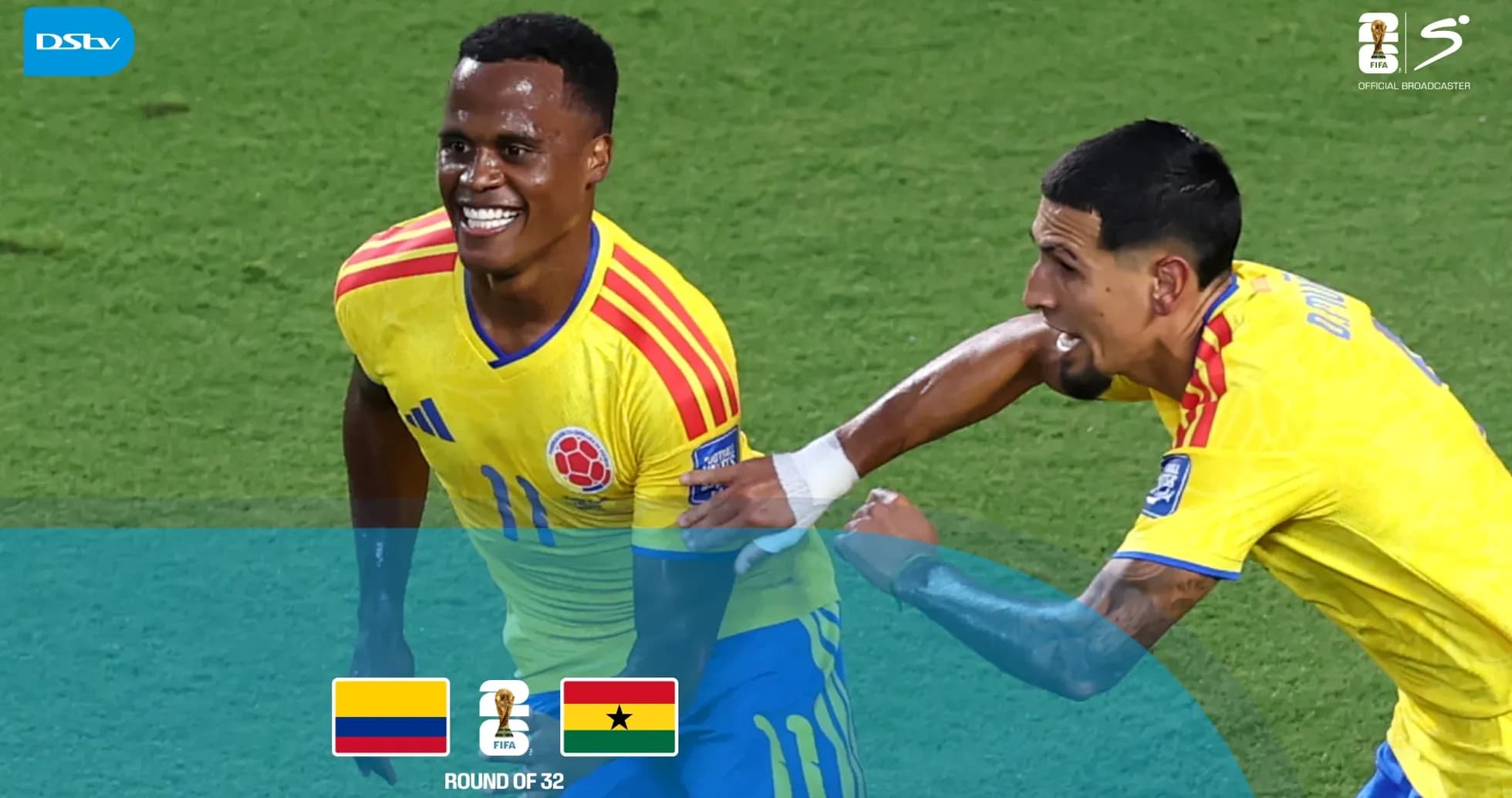
Colombia Advances to World Cup Knockout Rounds with Narrow Victory Over Ghana
Colombia are in the World Cup knockout rounds. That much, at least, was clinical. Almost everything else about their 1-0 win over Ghana in Kansas City was anything but.
At a raucous Arrowhead Stadium, the South Americans bossed the ball, carved out chances and toyed with their opponents for long stretches. Yet when the whistle went, they had only Jhon Arias’s early finish to separate them from a Ghana side that never once hit the target.
It was enough. Just. Switzerland now await in Vancouver on Tuesday.
Early blow, early breakthrough
Ghana actually struck the first note of alarm. With barely a minute gone, Thomas Partey stepped onto a loose ball and whipped a shot just wide from the edge of the box. It fizzed past the post and briefly jolted Colombia.
That was as threatening as the Black Stars would look all night.
The game twisted quickly. Colombia lost Jhon Cordoba to what looked like a groin problem, Luis Suarez thrown on earlier than planned. Moments later, Ghana had injury trouble of their own, Alidu Seidu replacing the stricken Marvin Senaya.
Colombia absorbed the disruption and then pounced.
On 14 minutes, Suarez refused to let a half-chance die on the right flank. He harried, kept the ball alive, and finally dug out a cross. Arias, completely unmarked, arrived with composure and guided his finish home. Simple on the scoreboard, ruthless in execution.
For Carlos Queiroz and a Ghana side who had found the net only twice in the group stage, it was a familiar, unwelcome storyline: chasing a game without the tools to hurt anyone.
Colombia in control, Ghana hanging on
Backed by a partisan, yellow-drenched crowd in Missouri, Colombia began to enjoy themselves. The passing grew sharper, the movement more ambitious. Ghana retreated, then retreated some more.
Luis Diaz, carrying the weight of expectation that comes with being a Bayern Munich forward, should have buried the contest before the interval. Released in the 39th minute, he had time and space but dragged a poor effort wide, a glaring miss that left Ghana clinging to hope they scarcely deserved.
The pressure didn’t ease. As first-half stoppage time began, Johan Mojica met a cross with a firm downward header, only for Lawrence Ati Zigi to spring to his right and claw it away. It was a superb save, the kind that usually breathes life into a team.
The numbers at the break told the real story. Ghana hadn’t managed a single shot on target. Colombia, with 319 completed passes to their name, were dictating everything. The margin, though, stayed at one.
Chances wasted, door left ajar
Colombia emerged from the tunnel with the same intent but not the same edge. The patterns were familiar: white shirts pinned back, yellow shirts probing, the ball zipping across the Ghanaian half. The finish, again and again, was missing.
Diaz thought he had finally made amends when he tucked the ball into the net, only to see the flag go up for offside. Soon after, he burst through once more and this time hit his shot straight at Ati Zigi. Another chance gone, another murmur of frustration from the stands.
The longer it stayed 1-0, the more it felt like one of those nights that can haunt a tournament favourite. Colombia kept pushing, but the ruthlessness of a true contender stayed just out of reach.
Ghana, for their part, could not take advantage of the invitation. They worked, they shuffled, they tried to spring forward when rare opportunities arose. Nothing stuck. Not one effort forced the Colombian goalkeeper into action.
As the clock wound down, Juan Quintero stepped up and drove a powerful effort just wide, a reminder of the quality Colombia could call on from all angles. Again, no reward. Again, Ghana survived in theory, if not in threat.
Job done, questions linger
When the final whistle came, it felt less like a celebration and more like a release. Colombia had made hard work of a game they controlled from almost the first minute. Wasteful in front of goal, dominant everywhere else, they got over the line with the minimum margin and the maximum possession.
For Ghana and Queiroz, the statistics were brutal: no shots on target in a knockout decider, and an attack that never looked capable of rescuing them. The Black Stars leave the tournament exactly as they played this match — organised, industrious, but blunt when it mattered.
Colombia move on, carrying both momentum and a warning. Against Switzerland, they will not want to rely on just one goal and a misfiring front line. The platform is there. The question now is whether they can turn control into something more ruthless when the stakes rise again in Vancouver.