Club America Dominates Puebla in Liga MX Match
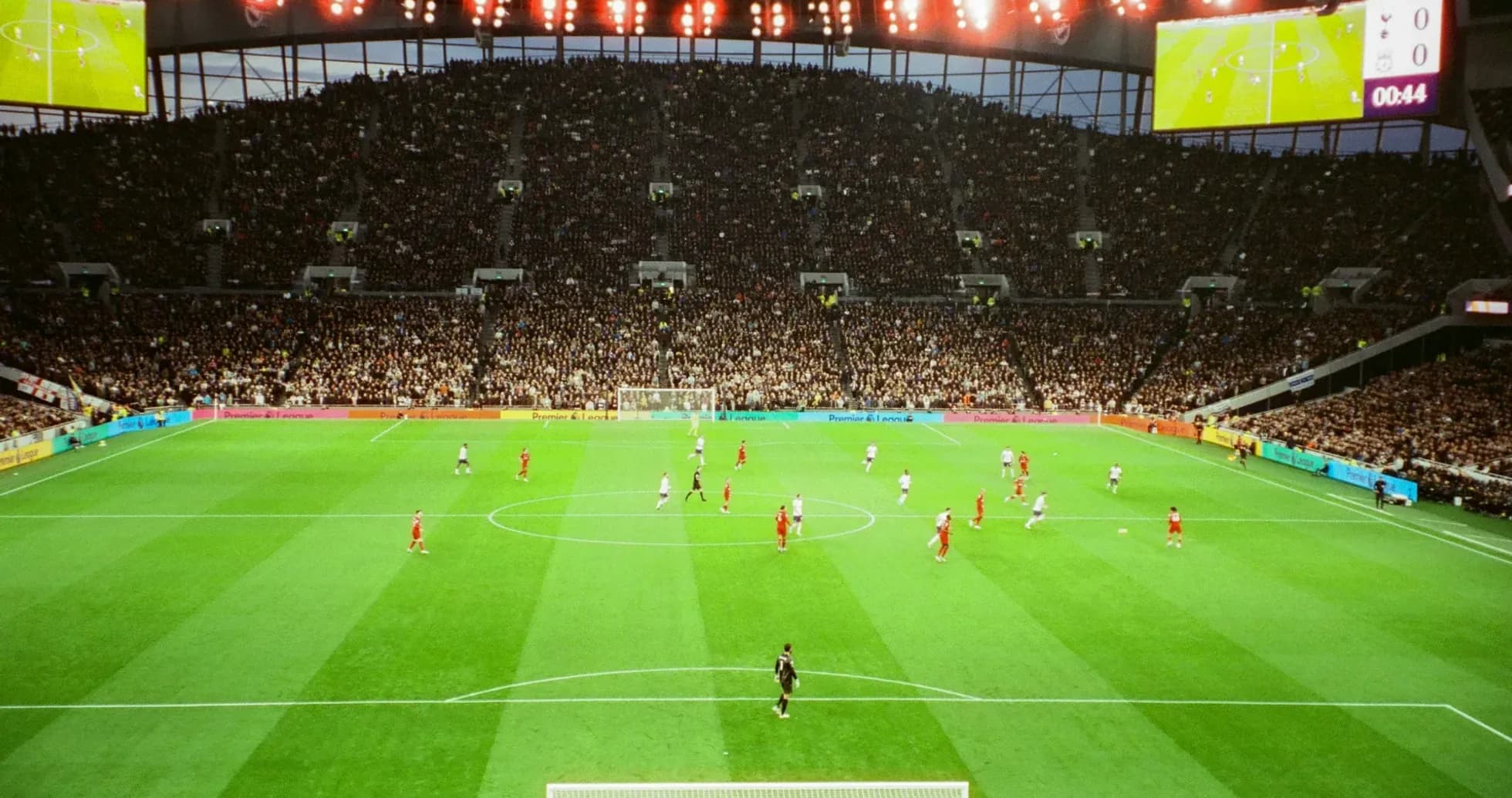
Under the lights of Estadio Banorte in Mexico City, Club America’s 2–0 win over Puebla felt less like an isolated result and more like a statement of hierarchy in the Apertura. This was first against eighth, but the gap in control, structure and belief looked far wider than the six-point difference in the table.
Heading into this game, Club America were already setting the pace in Liga MX: 16 points from 6 matches, unbeaten, with a total goal difference of +10 built on 12 goals scored and only 2 conceded overall. At home they had been flawless: 3 wins from 3, 8 goals scored and none conceded. Puebla arrived as something of a wild card in eighth place, with 10 points from 6, their total goal difference perfectly balanced at 0 after scoring and conceding 9 overall. On their travels, Puebla’s profile was volatile: 2 wins and 2 defeats in 4 away outings, with 5 goals scored and 6 conceded.
Both coaches mirrored each other on the board, naming 4-2-3-1 formations, but the way those shapes breathed on the pitch was very different.
Club America’s Formation
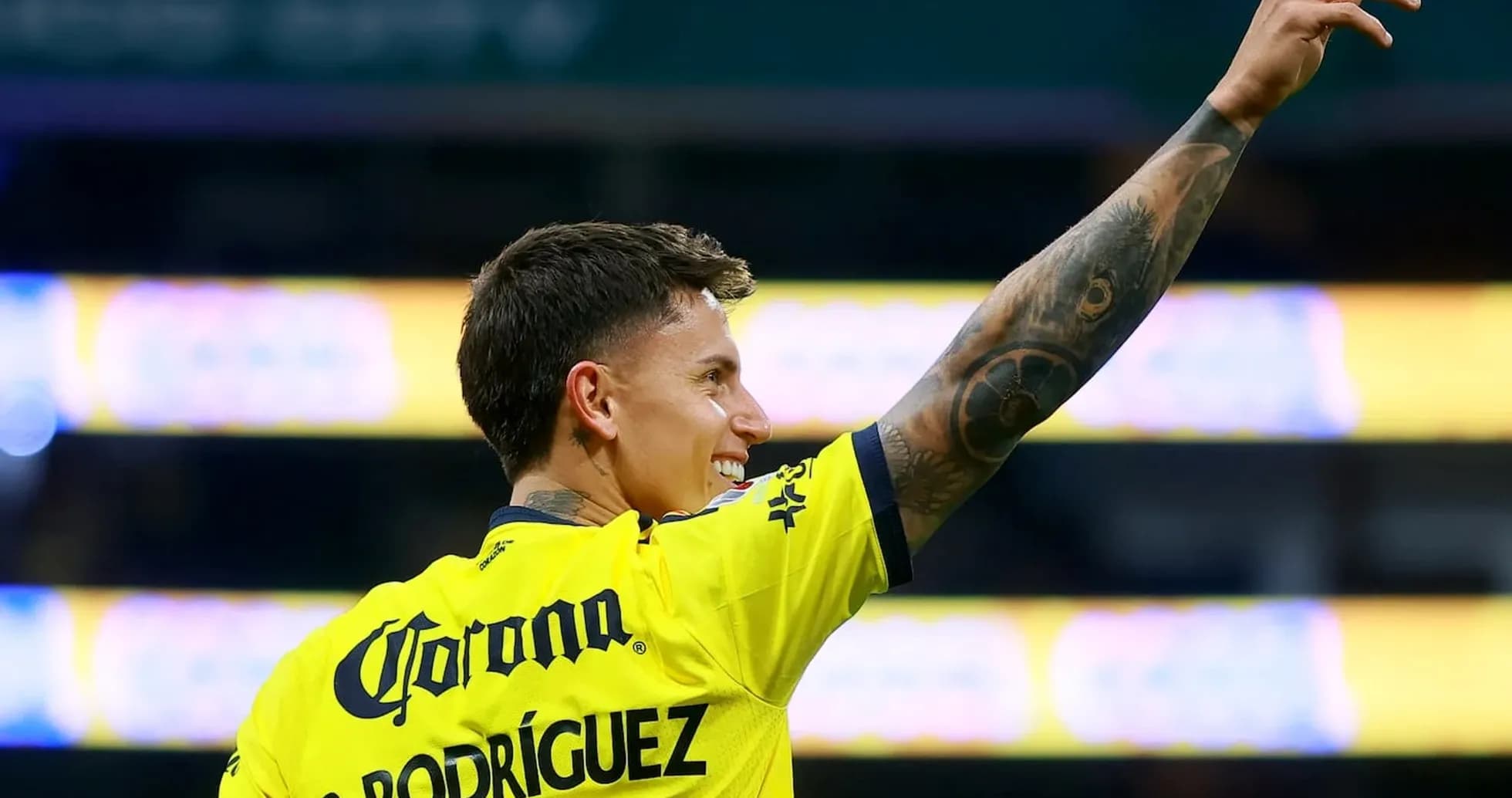
For Club America, Guillermo Almada Alves Jorge trusted a back four of E. Lara, R. Juarez, M. Vazquez and D. Espinoza in front of goalkeeper F. Tapia. In practice, this was a platform for dominance. Espinoza, who has quietly become one of the league’s most rounded full-backs, again showed why he sits among the top assist providers. Across the season he has delivered 2 assists, blocked 3 shots and made 8 interceptions, numbers that underline how he defends forward as much as he defends deep. In this match, his positioning high and wide stretched Puebla’s block and gave America permanent access to the flanks.
Ahead of them, the double pivot of E. Cerrillo and Icaro (nominally listed without a defined position but functioning as a partner in midfield) acted as a metronome and shield. With America averaging 2.0 goals scored per game in total and conceding just 0.3, the balance between risk and security has been near perfect. The trio behind the striker – D. Arriaga, A. H. Gutierrez Torres and O. Perea – rotated constantly between the lines, dragging Puebla’s midfield out of shape and opening corridors for late runs.
Up front, A. Cardenas led the line from the start, but the deeper story in this squad lies on the bench. H. Martín, with 3 goals and 1 assist this season, remains one of Liga MX’s most efficient forwards. His 6 shots on target from 6 total efforts and his record of scoring 1 penalty but also missing 1 mean America’s penalty record this season stands at 1 converted and 1 missed from 2 attempts. That blemish from the spot is a rare sign of fallibility in an otherwise ruthless attack. In support, Raphael Veiga has quietly become the creative brain: 2 assists, 1 goal, 16 key passes and 178 completed passes at 86% accuracy. When he steps off the bench, America can flip from controlled possession to cutting incision in a heartbeat.
Puebla’s Formation
Puebla’s 4-2-3-1 under Gerardo Espinoza was more reactive by necessity. D. Gutierrez started in goal, protected by a back line of I. Moreno, F. Almada, J. Vargas and F. Monarrez. Moreno, who has already seen red once this season, brought an edge that can tip either way. His 6 tackles, 1 blocked shot and 2 interceptions speak to an aggressive defender who steps out of line to engage; against a fluid America front four, that risk was always likely to be tested.
In midfield, A. Organista and A. Ramirez tried to hold the pivot, with B. Garnica, K. Velasco and C. Baltazar supporting lone forward E. Mustre. Mustre has been Puebla’s breakout “hunter” this Apertura: 3 goals and 1 assist from 6 appearances, with 4 shots on target from 6 attempts. He duels constantly – 46 total duels, 13 won – and offers a vertical threat on transition. Yet against a side that has kept 4 clean sheets in total, including 3 at home, his influence was always going to depend on how quickly Puebla could escape their own half.
The tactical void for Puebla lay in the spaces between their lines. Their season numbers show a team that lives on the edge: 1.5 goals scored and 1.5 conceded per game in total, with only 1 clean sheet overall and 1 match in which they failed to score. On their travels, they concede 1.5 goals per game, a vulnerability that played directly into America’s home strength of 2.7 goals scored per match and 0.0 conceded. Once America took a 1–0 lead into half-time, Puebla were forced higher, which only widened the channels for America’s counters and late runs from midfield.
Discipline also tilted the risk profile. Club America’s yellow cards cluster between 16–75 minutes, with a notable 30.00% of their cautions arriving between 61–75 minutes, while their only red card of the season has come in the 76–90 window. Puebla, by contrast, concentrate their yellows late – 40.00% between 61–75 and another 40.00% between 91–105 – and their single red card has also fallen between 61–75. In a match where America were already in control by the hour mark, that tendency for Puebla to pick up late cards made any comeback bid even more fragile.
The “engine room” duel was subtly defined by personnel. For America, Cerrillo’s positional discipline allowed the more creative profiles – Arriaga, Gutierrez Torres, Perea and, later, potentially Veiga – to occupy advanced pockets. For Puebla, the creative responsibility increasingly falls on players like A. Herrera off the bench, whose 2 assists in just 146 minutes and 3 key passes hint at a playmaker capable of unlocking defences. But starting from deep in their own half against the league leaders, Puebla rarely managed to connect him or Velasco high enough to hurt.
In the end, the statistical prognosis that had favoured America before kick-off played out almost to script. An unbeaten side with a total goal difference of +10, perfect at home and conceding just 0.3 goals per game overall, met an away team that concedes 1.5 per match on their travels. The 2–0 scoreline simply confirmed what the numbers had been whispering all week: this Club America squad is built on a stable defensive core, layered creative depth and multiple goal threats, while Puebla, brave and enterprising, are still learning how to carry their attacking promise without exposing themselves against the division’s elite.