Chelsea W vs Manchester United W: FA WSL Showdown Preview
Stamford Bridge stages a heavyweight FA WSL showdown on 16 May 2026 as third‑placed Chelsea W host fourth‑placed Manchester United W in the final round of the regular season. With just six points separating the sides – Chelsea on 46, United on 40 – this is a meeting of two Champions League‑chasing contenders looking to put a marker down at the end of the campaign.
Both arrive with contrasting trajectories. In the league, Chelsea’s form line reads “WWWDW”, while United’s is “DDLWD”, underlining a home side finishing strongly and an away side searching for rhythm again after a more stuttering run.
Tactical landscape
Chelsea’s season profile points to a flexible but front‑foot approach. They have used a range of systems – predominantly a 4‑1‑4‑1 (6 times) and 4‑2‑3‑1 (3 times), with occasional switches to back‑three structures such as 3‑4‑2‑1 and 3‑5‑2. Across all phases they average 2.0 goals scored and 1.0 conceded per match, with 43 goals for and 20 against in 21 league games. At Stamford Bridge they have been especially efficient: 8 wins and 2 defeats from 10, scoring 19 and conceding only 8.
That home record is underpinned by control and security. Chelsea have kept 5 clean sheets at home and 8 overall, and they have failed to score only twice all season. Their biggest home win is 5-0, and their heaviest home loss is 0-2, indicating that when they do lose, they rarely collapse defensively. The card distribution also hints at a team that exerts pressure higher up the pitch, with a cluster of yellow cards between 31-45 minutes and again from 61-90, often when they are contesting transitions and regaining control.
Manchester United W, by contrast, are built around a more stable 4‑2‑3‑1 (used 10 times) with occasional shifts to 4‑1‑4‑1 and 4‑4‑2. Their numbers show a balanced side: 38 goals scored and 21 conceded in 21 matches (1.8 for, 1.0 against per game). Away from home they have been excellent: 6 wins, 3 draws, just 1 defeat, with 20 scored and 8 conceded – almost identical defensive output to Chelsea’s home record.
United’s 5 clean sheets away from home (7 overall) speak to a compact, organised unit that travels well, even if they have failed to score in 4 of their 10 away matches. Their biggest away win, 1-5, shows they can be ruthless when they find rhythm, but their heaviest away defeat, 3-0, underlines the risk when they are forced to chase.
The tactical battle, then, is likely to revolve around Chelsea’s structured possession and United’s capacity to spring from a disciplined block into quick forward surges. Chelsea’s mix of 4‑1‑4‑1 and 4‑2‑3‑1 suggests a single‑pivot base with dynamic eights and wide players rotating around a central striker, while United’s settled 4‑2‑3‑1 points to a strong double pivot protecting the back four and enabling their attacking midfielders to find spaces between the lines.
Key players and attacking threats
Chelsea’s most prominent league scorer in the data is Alyssa Paola Thompson. The 21‑year‑old attacker has 6 goals and 3 assists in 19 appearances (15 starts), with a rating of 7.07. Her shot profile – 23 attempts, 13 on target – is efficient, and she adds 21 key passes, highlighting her dual threat as both finisher and creator. Thompson’s dribbling output (20 attempts, 7 successful) and 11 fouls drawn suggest she is a focal point for breaking lines and winning advanced free‑kicks.
Behind and around her, Chelsea’s collective numbers tell their own story: an average of 1.9 goals per home game and only 0.8 conceded, plus a biggest home win of 5-0. With just 2 home matches all season where they have failed to score, their attacking structure at Stamford Bridge is robust.
For Manchester United, creativity and end product are spread more evenly. Midfielder Jessica Park has 4 goals and 3 assists from 21 appearances (19 starts), with a 7.03 rating. Her 21 shots (13 on target) and 17 key passes underline her importance as a link between midfield and attack. She is also heavily involved in duels (115, winning 57), reflecting her role in both pressing and ball progression.
Up front, Elisabeth Terland adds another 4 league goals from 17 appearances, with 27 shots and 17 on target. Her numbers point to a high‑volume shooter who will test Chelsea’s back line if given space around the box. Between Park and Terland, United have two players capable of turning half‑chances into decisive moments.
From the spot, both teams have converted their only league penalty of the season, and there are no recorded misses for the named key players. That suggests that if this tight contest is decided by a single incident in the area, both sides have reliable takers within the squad profile.
Head‑to‑head: Chelsea’s cup dominance, league balance
The recent competitive history between these clubs is rich and revealing. The last five meetings (all competitive, no friendlies) are:
- 15 March 2026, WSL Cup Final at Ashton Gate Stadium: Chelsea W 2-0 Manchester United W – Chelsea won.
- 22 February 2026, FA Women’s Cup Round 5 at Kingsmeadow: Chelsea W 2-1 Manchester United W after extra time (1-1 after 90) – Chelsea won.
- 3 October 2025, FA WSL at Leigh Sports Village: Manchester United W 1-1 Chelsea W – draw.
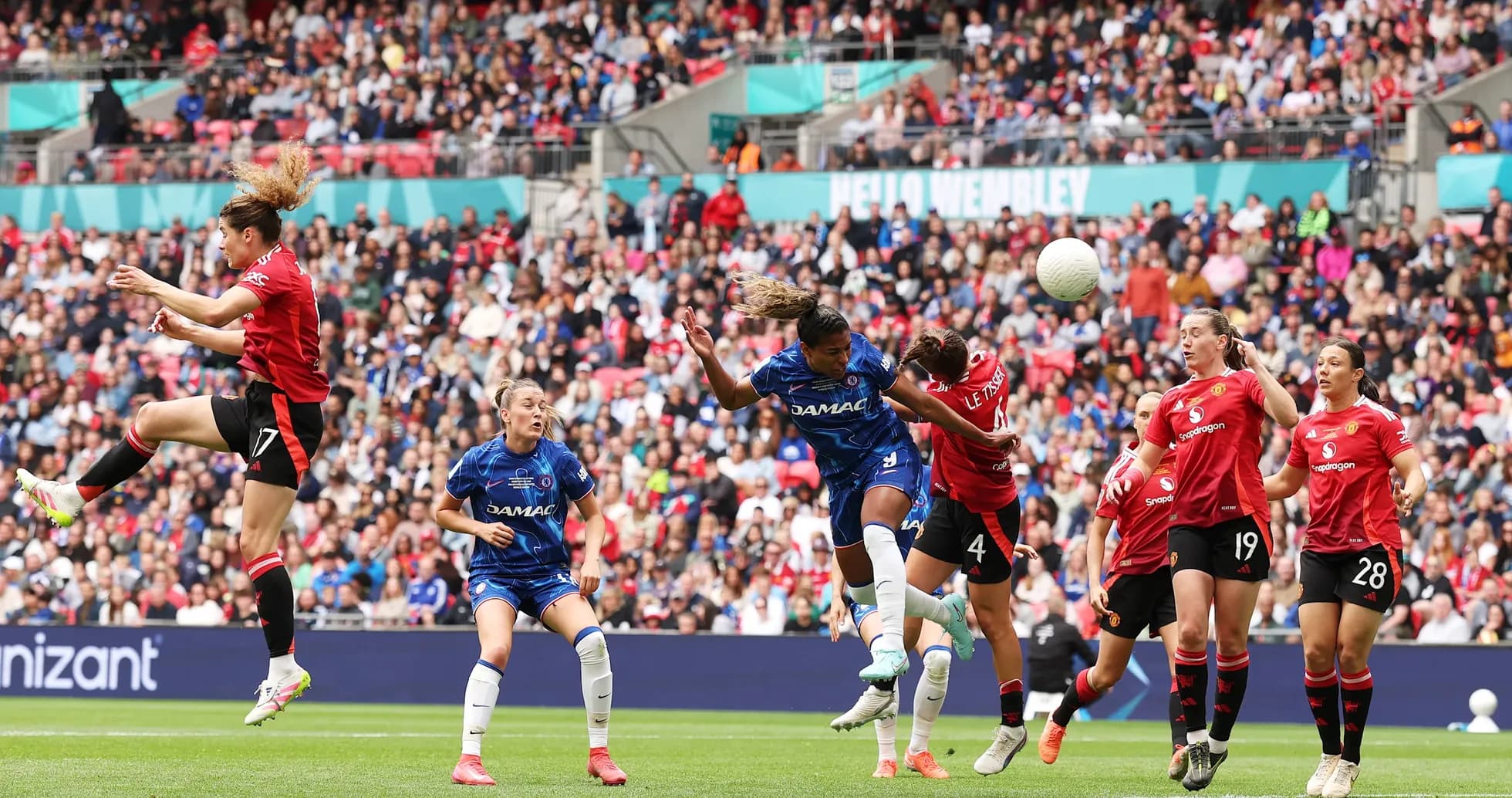
- 18 May 2025, FA Women’s Cup Final at Wembley Stadium: Chelsea W 3-0 Manchester United W – Chelsea won.
- 30 April 2025, FA WSL at Leigh Sports Village Stadium: Manchester United W 0-1 Chelsea W – Chelsea won.
Across these five competitive fixtures, Chelsea have 4 wins, Manchester United have 0, and there have been 1 draw. Notably, both league meetings in this sequence have been tight: a 1-1 draw away and a 0-1 away win for Chelsea. The more decisive scorelines have come in cup finals and knockout ties, where Chelsea have repeatedly prevailed by multi‑goal margins.
That pattern matters psychologically. Chelsea come into this game knowing they have beaten United in both the 2025 and 2026 FA Women’s Cup and WSL Cup finals, as well as away in the league. United, for their part, can point to having avoided defeat in the most recent league encounter and to their strong away record this season as reasons to believe they can tilt the narrative.
Form, margins and small details
In the league, Chelsea’s overall record of 14 wins, 4 draws and 3 defeats, with a +23 goal difference, underlines a side that wins more often than not and rarely gets blown away. United’s 11 wins, 7 draws and 3 defeats, with a +17 goal difference, mark them as a high‑floor team who are hard to beat but perhaps draw a little more often.
Chelsea’s longest winning streak this season is 4 matches, matched by United’s own best run of 4 consecutive victories. Both have also endured a maximum losing streak of 2, suggesting resilience and an ability to respond quickly to setbacks.
Defensively, the numbers are almost identical: Chelsea concede 1.0 per match across all phases, United the same. The difference lies slightly in attack – Chelsea at 2.0 goals per game to United’s 1.8 – and in the home/away splits, where Chelsea’s 1.9 goals scored at home meet United’s 2.0 scored away. It points to a contest where both sides have the tools to score, but neither is likely to be overwhelmed.
Discipline could be a subtle factor. United have received a red card this season in the 61‑75 minute window, while Chelsea have no reds recorded. In a high‑intensity match between two technically strong sides, staying at eleven players for 90 minutes could prove decisive.
The verdict
On balance of data, this looks like a finely poised clash between the league’s third and fourth best sides, but with Chelsea carrying clear edges in three areas: home strength, recent form, and head‑to‑head record.
Chelsea’s 8 wins from 10 at Stamford Bridge, combined with a strong finish to the season and a sequence of four wins in the last five competitive meetings with United, make them slight favourites. Their attacking numbers at home, anchored by the influence of Alyssa Thompson, suggest they are well placed to find at least one goal.
Manchester United, however, are one of the few sides in the division with an away profile capable of matching Chelsea’s home output. Six wins and just one away defeat, plus the creative threat of Jessica Park and the finishing of Elisabeth Terland, mean they have every chance of taking something if they can manage the game’s key moments.
Expect a tight, tactical encounter where one goal either way could swing it. The data leans towards a narrow Chelsea win, but United’s away resilience and the close nature of recent league meetings suggest that a draw cannot be ruled out. Whatever the outcome, 16 May 2026 at Stamford Bridge should offer a high‑quality, finely balanced conclusion to the FA WSL season for two of its leading contenders.