Chelsea and Tottenham's Carabao Cup Challenge
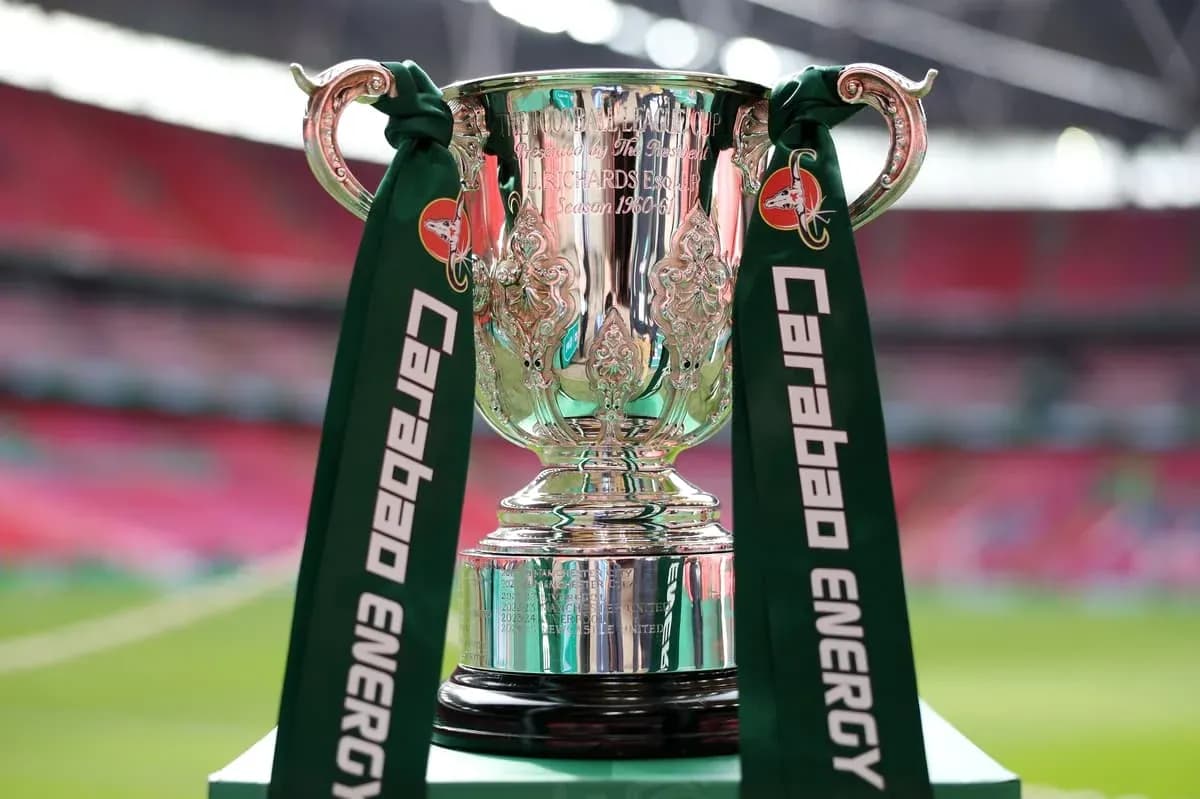
Chelsea and Tottenham are back in the Carabao Cup early this year, and that says plenty about where both clubs find themselves.
No European football. No safety net. No excuses.
Last season’s 10th- and 17th-place finishes have dumped the London rivals into the second round of English football’s secondary cup competition, a stage they usually watch from a safe distance while continental campaigns begin. This time, they are in the thick of it from the off, shoulder to shoulder with mid-table Premier League sides and ambitious EFL clubs chasing a statement scalp.
A different kind of Carabao Cup
The competition itself has shifted gear. The first round kicked off before a ball had even been struck in the new EFL season, with ties spread across a weekend rather than the traditional midweek grind. It is a clear attempt to ease the early-season traffic jam that has often forced clubs into three matches in seven days before their squads have even settled.
The new format wasted no time delivering drama. Fourth-tier Walsall stunned Championship side Bristol City 1-0 at Ashton Gate on Thursday night, a reminder that this tournament still has a sharp edge for anyone who underestimates it. Crawley and Rochdale had already navigated preliminary round ties against York and Tranmere, quietly booking their places in a draw that now swells with bigger names.
Now the spotlight turns to Monday.
Draw night drama
The second-round draw for the Carabao Cup lands on Monday, August 10, 2026, in the build-up to the Devon derby between Plymouth and Exeter at Home Park. It is scheduled for around 7:20pm BST, a prime-time slot wrapped around one of the most intense local rivalries in the lower leagues.
Sky Sports presenter David Prutton will host, with Jobi McAnuff and Jamie Mackie handling the draw itself. The cameras will be rolling on Sky Sports Main Event, Sky Sports Football and Sky Sports Ultra HDR, with subscribers able to stream the whole thing via Sky Go. For those glued to their phones, Standard Sport will run a live blog charting every ball, every tie, every potential banana skin.
And there will be plenty of those.
Who joins the party?
Eleven Premier League clubs enter at this stage, joining the 35 winners from the first round.
Chelsea and Tottenham headline that group, but they are far from alone. Brentford, Fulham, Newcastle, Everton, Leeds and Nottingham Forest all come in now, along with newly-promoted Coventry, Ipswich and Hull. Each of them carries a different kind of pressure: some chasing silverware, some chasing momentum, some simply desperate for a cup run to lift the mood.
The three clubs relegated from the Premier League last season – West Ham, Burnley and Wolves – have already been thrown into the first round, a stark illustration of how quickly the ladder can flip.
Above them all, the elite wait their turn. Holders Manchester City, along with Arsenal, Manchester United, Aston Villa and Liverpool, are tied up with Champions League commitments. Bournemouth, Sunderland and Crystal Palace head into the Europa League, while Brighton step into the Conference League. Those nine sides will not touch the Carabao Cup until the third round next month, when the competition opens up and the draw loses its regional divide.
For now, though, geography still matters. The Carabao Cup remains regionalised for both the first and second rounds, splitting the field into north and south and ramping up the likelihood of spicy local ties.
Ball numbers for the second round will only be confirmed once the bulk of this weekend’s first-round fixtures are done. Until then, managers and supporters are left to play out the possibilities in their heads: a short trip to a lower-league ground with a tight pitch and a fired-up home crowd, or a home tie that demands rotation and control.
The road ahead
Second-round matches will be played in the week commencing August 24, when the competition slips back into its familiar midweek groove. By then, league campaigns will be underway, early narratives will have formed, and squad depth will start to matter.
For Chelsea and Tottenham, this is more than a routine cup entry. It is a chance to reset reputations, to put down a marker in a season without European distractions, to turn a so-called secondary competition into a primary target.
The question is simple: who treats it like an opportunity, and who lives to regret treating it like an inconvenience?