
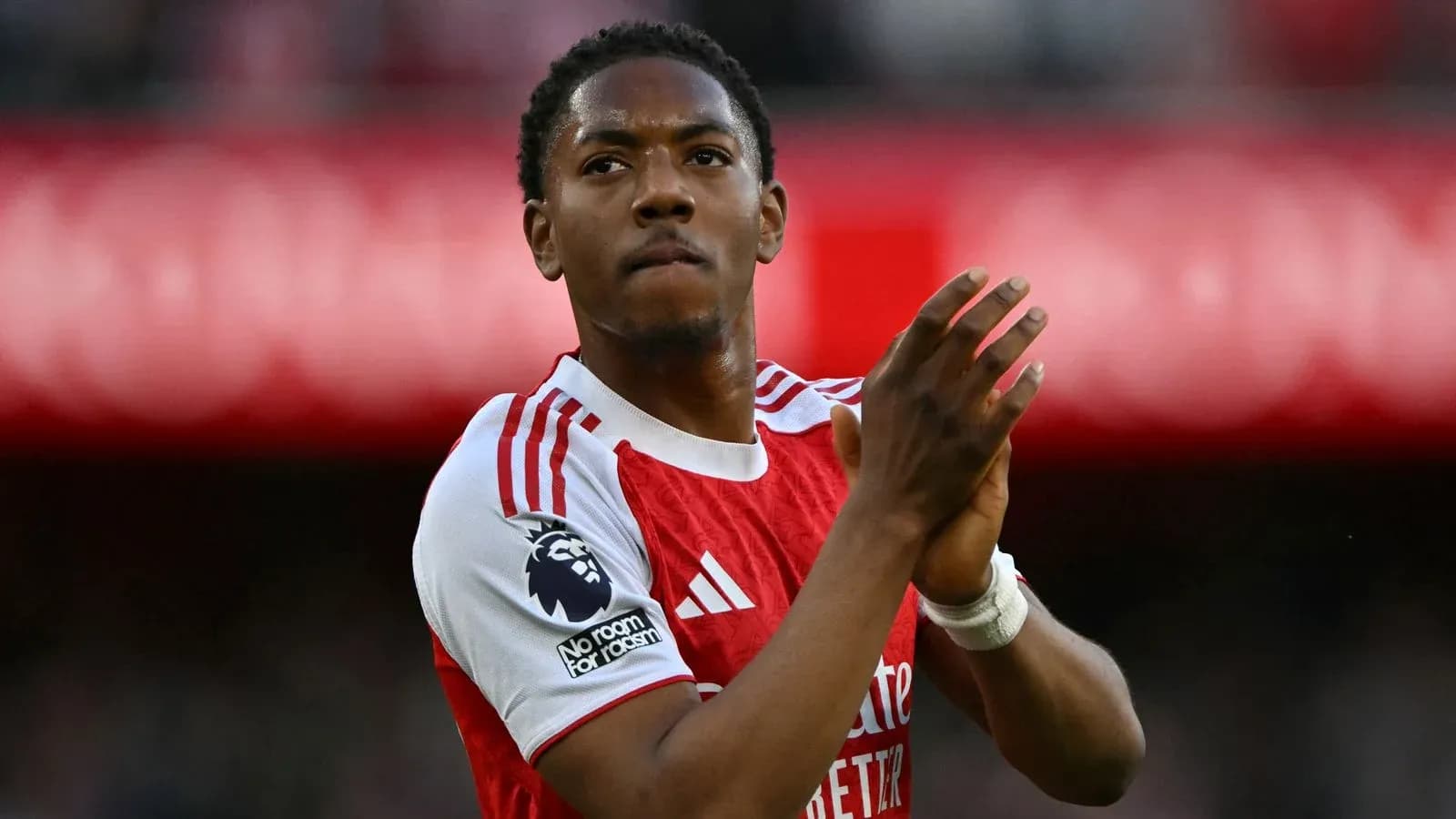
Chelsea Tests Arsenal's Resolve Over Myles Lewis-Skelly
Chelsea have gone back to Arsenal over Myles Lewis-Skelly, pushing again to see if the door is even slightly open for one of the most highly regarded teenagers in English football.
The Stamford Bridge hierarchy have tracked the 17-year-old midfielder for a long time and have made a fresh enquiry in the wake of Arsenal’s marquee move for Bruno Guimaraes. The logic is obvious: a big-money midfielder arrives, a pathway gets tighter, and rivals circle.
Arsenal’s stance is just as clear. They do not want to sell Lewis-Skelly. And they certainly do not want to sell him to Chelsea.
With both clubs expected to scrap for Champions League places and possibly more this season, handing a homegrown jewel to a direct rival is viewed inside Arsenal as an avoidable own goal. Chelsea were heavily linked with Lewis-Skelly in January and have never fully stepped away from the idea.
They are not alone.
Manchester United also hold a long-standing interest in the England youth international. Their recruitment team have monitored him closely, but the clock and the budget complicate any move. United are still weighing up whether their remaining resources should go on another central midfielder or a left-back before the window closes.
Any serious push for Lewis-Skelly would test those limits. The market for central midfielders has exploded this summer, with fees for top talent and even high-potential prospects driven up. Lewis-Skelly’s ability to operate in midfield and at left-back only adds to his value, but it also makes the financial equation harder for United if they are already stretched.
Arsenal, for their part, know the numbers as well as anyone. Last season they largely kept the core of their squad intact despite heavy investment. The plan this summer is to stay aggressive, stay ambitious – but there is a growing acceptance at the Emirates that meaningful sales will have to underpin that strategy.
That is where names like Ethan Nwaneri and Lewis-Skelly become so significant. Both are academy products. Any fee received for them would count as pure profit on the balance sheet, the kind of deal that gives a club more room to manoeuvre under financial regulations.
The tension sits right there: football value versus financial value. Arsenal believe Lewis-Skelly can grow into a first-team asset. The market believes he is already a commodity worth testing their resolve over.
Chelsea have now made their latest move. United are watching their own numbers. Arsenal, for the moment, are holding the line.
The question is how long that line holds if the bids start to climb.



