Chelsea Fined £10m and Suspended Transfer Ban over Abramovich Deals
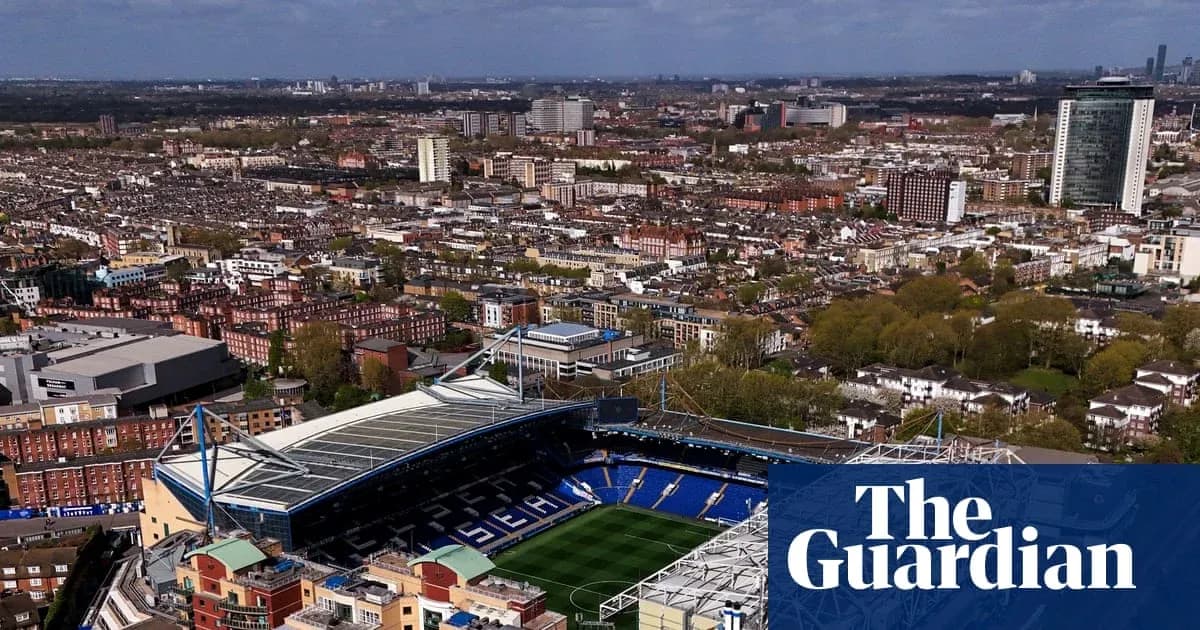
Chelsea’s Roman Abramovich era has come back to bite – but only so hard. The club have been fined £10m by the Football Association and handed a suspended two-window transfer ban after being found guilty of multiple breaches of transfer rules spanning more than a decade.
The punishment mirrors the tone, if not the full force, of the Premier League’s earlier sanction this year, which also focused on the club’s use of unlicensed agents and efforts to disguise the true nature of transfer payments between 2009 and 2022. Deals involving Samuel Eto’o, Eden Hazard and Willian sit at the heart of the case, emblematic of a period in which Chelsea’s recruitment machine operated at the outer limits of football’s regulatory framework – and then beyond it.
At one stage, the consequences looked far more severe. An independent FA commission initially imposed a suspended six-point deduction, working down from a starting point of 15 points. Chelsea appealed and won. The points threat has vanished, replaced by a suspended ban on registering new players for two transfer windows, activated only if the club offend again.
The irony is that the case started with Chelsea turning themselves in. When the Todd Boehly–fronted BlueCo consortium took over in 2022, the new regime unearthed the historic irregularities and self-reported them. The commission went out of its way to praise that approach and the club’s cooperation throughout the process. Chelsea, who are also bound by a separate settlement with Uefa, said they had “worked openly and transparently with all regulators” and welcomed the fact this “brings all regulatory proceedings against the club to a close”.
The written reasons, though, leave no doubt where the FA panel believe the blame lies. They reserve their harshest language for the Abramovich-era hierarchy, accusing the old regime of “a shameful and arrogant disregard for the rules of the game … which has done so much to bring the game of football in general, and the name of CFC into disrepute”. This was not, in the panel’s eyes, a technical slip or an innocent misreading. It was a system.
Yet the commission did not let the FA itself off the hook. In a striking twist, the panel criticised the governing body for failing to charge any individuals involved in the misconduct and for arguing against a sporting sanction. The Premier League, which had run its own investigation into the same web of payments, also opposed a points penalty.
That stance opened the door for Chelsea’s lawyers. On appeal, the club successfully challenged the idea that they had actually gained a sporting advantage from the breaches. The original commission believed they had. The appeal board said the evidence did not go that far and stripped away the suspended six-point deduction.
“Chelsea’s lawyers performed a masterclass in non-adversarial diplomacy with both the FA and the Premier League,” said Stefan Borson, football finance expert and head of sport at McCarthy Denning.
He noted that an initial 15-point starting point had been whittled down, step by step, to what he called a “final meagre fine” paid out of retained escrow from Abramovich’s sale proceeds.
Behind the legal arguments lies a murky financial trail. The FA and Premier League investigations focused on tens of millions of pounds in secret payments routed through offshore companies controlled by Abramovich. Many of those details surfaced via Cyprus Confidential, an investigation led by the Guardian and international media partners, based on leaked data from Cypriot financial services firms used to manage the oligarch’s wealth.
Among the transactions were apparent off-book payments to Hazard’s agent and to an associate of Antonio Conte, who guided Chelsea to the Premier League title in 2016-17. These were not the headline transfer fees that defined the Abramovich years; they were the hidden currents underneath.
The FA’s documents also lift the lid on the internal politics of Chelsea’s transfer strategy. One example centres on Willian’s move in 2013, hijacked from under the nose of Tottenham after the Brazilian had been expected to join Spurs. According to the commission’s findings, an unnamed senior Chelsea figure believed losing Willian would be “not good” and that losing him to Tottenham would be “adding insult to injury”.
The FA seized on that attitude in its submissions, arguing that the individual may have “loved the power associated with having a bottomless pocket when it came to acquiring players of great quality and/or with great potential”, and that to claim there was no intention to gain a sporting edge “is stretching our credulity beyond reasonable limits”.
Another detail, buried in the paperwork but significant in scope, is a previously undisclosed settlement with HM Revenue & Customs. BlueCo reached a multi-million-pound agreement with HMRC over historic transactions dating back to 2011. The exact figure is redacted in the FA’s case files, but the appeal board’s decision confirms that Chelsea repaid at least £1.35m.
For all the drama of the language and the scale of the wrongdoing, the practical outcome for the current Chelsea is relatively gentle. No points lost. No immediate transfer freeze. A suspended ban that will only bite if the club stray again. And a £10m fine that, the FA insists, will be channelled into grassroots football.
The Abramovich era was defined by relentless ambition and the sense that Chelsea were always prepared to push harder, spend bigger, move faster than the rest. The question now is whether this ruling marks the final accounting of that period – or just the most public reminder of a cost that keeps rolling in long after the trophies have been lifted.