
Chelsea's Barco Signing: A Shift in Recruitment Dynamics
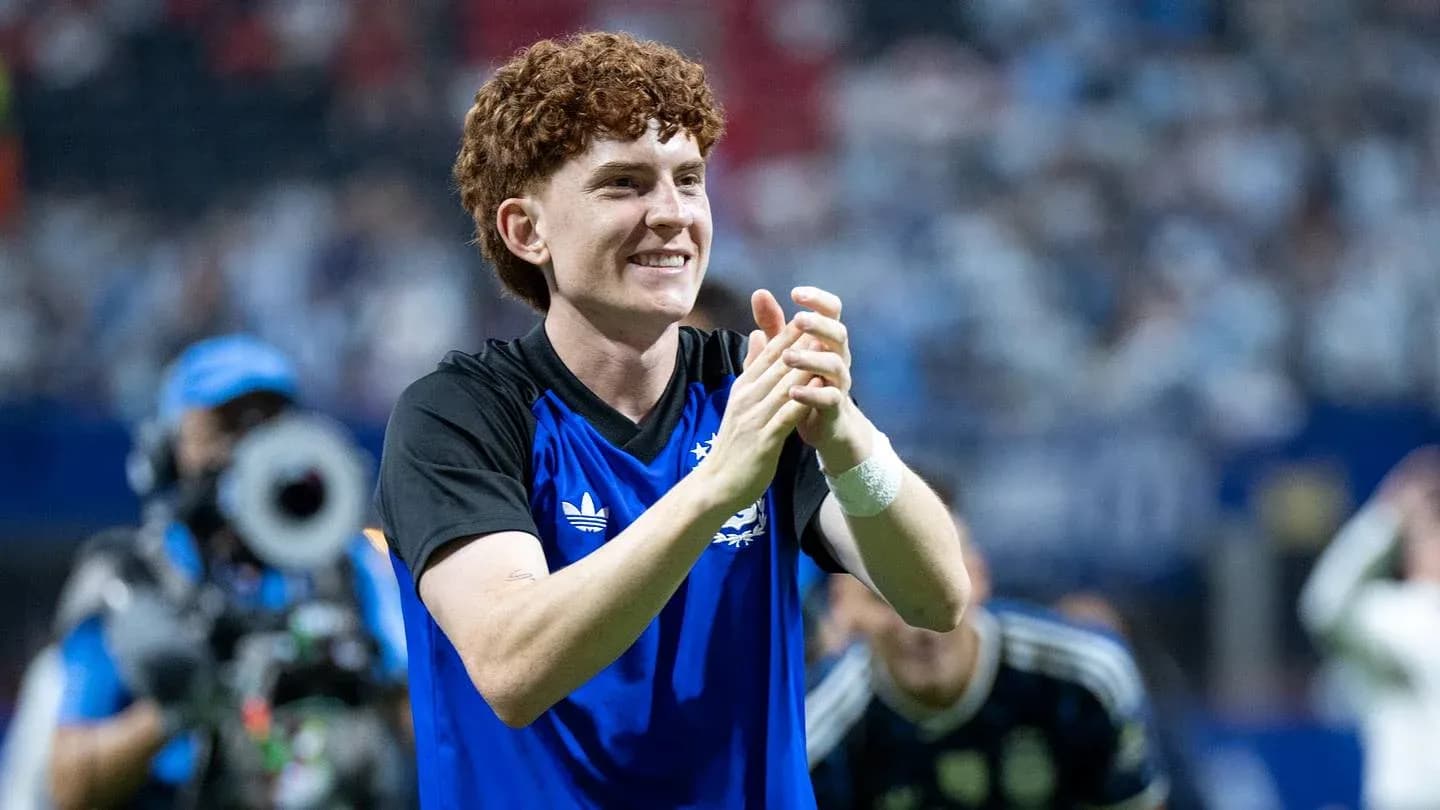
The deal had been humming in the background for months. On Sunday, Chelsea finally made it official: Valentín Barco, the red-haired livewire from Strasbourg, is a Blue.
On paper, it’s a straightforward move. In reality, it’s a fault line between Chelsea’s past and present.
A Signing From the Old Playbook
Xabi Alonso has not hidden what he wants this summer. He pushed hard for Sunderland’s Granit Xhaka, then got his experienced organiser in Jordan Henderson from Brentford. He has asked for a specialist left back, with Rayo Vallecano’s Pep Chavarría now close.
Barco? That’s not his signing.
This one belongs to the recruitment department, the same group whose transfer scattergun in recent seasons has helped drag Chelsea into a muddle and forced the hierarchy to hand more power to Alonso. Co-sporting directors Paul Winstanley and Laurence Stewart, alongside recruitment figures Joe Shields and Sam Jewell, drove this move long before Alonso walked through the door.
The timeline tells its own story.
Back in early April, when Liam Rosenior was still in charge, reports surfaced that Chelsea and Barco had already shaken hands on a summer move. Two days after Alonso’s appointment in May, Barco said a public goodbye to Strasbourg, even though Chelsea had not yet confirmed anything. The train was already moving; Alonso simply climbed aboard later and, at most, gave a final thumbs-up.
For a fanbase tired of expensive experiments, that matters. Supporters welcomed Alonso’s growing influence on recruitment. Barco, though, feels like the last echo of the previous model – a signing made by committee, not by coach.
From Struggling Full-Back to Do-It-All Midfielder
Strip away the politics and you find a simple truth: Barco can play.
Premier League followers remember a different version of him. The teenager who struggled at left back for Brighton & Hove Albion in 2023–24. Seven appearances, flashes of talent, plenty of growing pains. That image lingers.
Strasbourg changed the picture.
Since arriving in early 2025, Barco has been used as a do-it-all midfielder, asked to link play, carry the ball, bite into tackles, and still protect his back line. It’s a heavy workload. He handled it. His performances carried the feel of a player growing into his frame and his role, and it always felt like a bigger move would land this summer, one way or another.
Cynics see a different angle. With Strasbourg under the BlueCo umbrella, Chelsea’s owners now control both ends of the deal. Some will say Barco’s move is about asset management – keep him in-house, bump up the valuation, move him on later if needed.
But that doesn’t erase what he has done on the pitch. At 22, he has earned another crack at a higher level.
Where Does He Actually Fit?
Barco’s greatest selling point is also the biggest headache: his versatility.
As a teenager, he was framed as the modern full-back prototype, a left back who could drift inside and operate as an extra midfielder. The inverted defender. Now, after Strasbourg, he looks more like a midfielder first, someone who can step out to the left when required rather than live on the touchline.
That flexibility is gold in the modern game. He can be a genuine squad option in at least two roles, which matters for a club aiming to return to a twice-a-week schedule in 2027–28. Chelsea may not have European football now, but the plan is clear: build a group that can handle it when it comes back.
The question is how Alonso sees him.
Chelsea’s new manager has already targeted the same areas of the pitch that suit Barco best. Henderson arrives to steady and structure the midfield. Chavarría is coming in at left back at Alonso’s specific request. Barco sits in the middle of that Venn diagram, useful in both zones but not clearly first choice in either.
Is he a rotation midfielder, an emergency left back, or a genuine challenger for a starting role? Alonso’s profiling will decide whether Barco becomes a central figure or just another body in a crowded room.
A Risky Pattern: Strasbourg to Stamford Bridge
Barco is the third player to walk the now-familiar path from Strasbourg to Chelsea. The previous two are hardly glowing endorsements.
Mamadou Sarr arrived first. Chelsea signed the center back in the summer of 2025, used him at the Club World Cup, then sent him straight back to Strasbourg on loan. There, he thrived. Key player, regular captain, exactly the sort of development story the ownership model was built to produce.
Then came the twist. When Rosenior took over at Stamford Bridge in January, he wanted a new center back. Chelsea cut Sarr’s loan short and brought him back for an immediate reunion.
The logic? Still hard to pin down.
Sarr managed fewer than 300 minutes across the next five months. He faded from the rotation and, by the end of the season, struggled even to make matchday squads. A promising loan interrupted, a pathway muddled, a player left in limbo.
Emmanuel Emegha followed. His move to London was agreed as early as September 2025, and he joined Alonso’s squad this summer. On arrival, he found himself in a four-strong striker group with João Pedro, Nicolas Jackson and Liam Delap, while 17-year-old Dastan Satpayev impressed in preseason and waits to join permanently when he turns 18 later this month.
Even before Emegha could settle, reports emerged that Chelsea were open to offers. Another Strasbourg signing, another case of uncertainty before a ball has truly been kicked in anger.
Now it’s Barco’s turn to step into that spotlight.
He comes as a better player than the one Brighton fans remember, with a stronger body of work and a clearer identity. He also arrives at a club still trying to balance ownership strategy, recruitment power and a head coach with firm ideas of his own.
Barco is the latest test of whether Chelsea can turn their multi-club model into a footballing advantage rather than a transfer maze.
The talent is there. The question is whether the plan is.



