Celtic Fans Oppose Robbie Keane's Potential Appointment
Celtic’s pursuit of Robbie Keane has collided head‑on with the politics and identity of the club’s support, igniting anger among pro‑Palestinian fans over his recent spell in charge of Maccabi Tel Aviv.
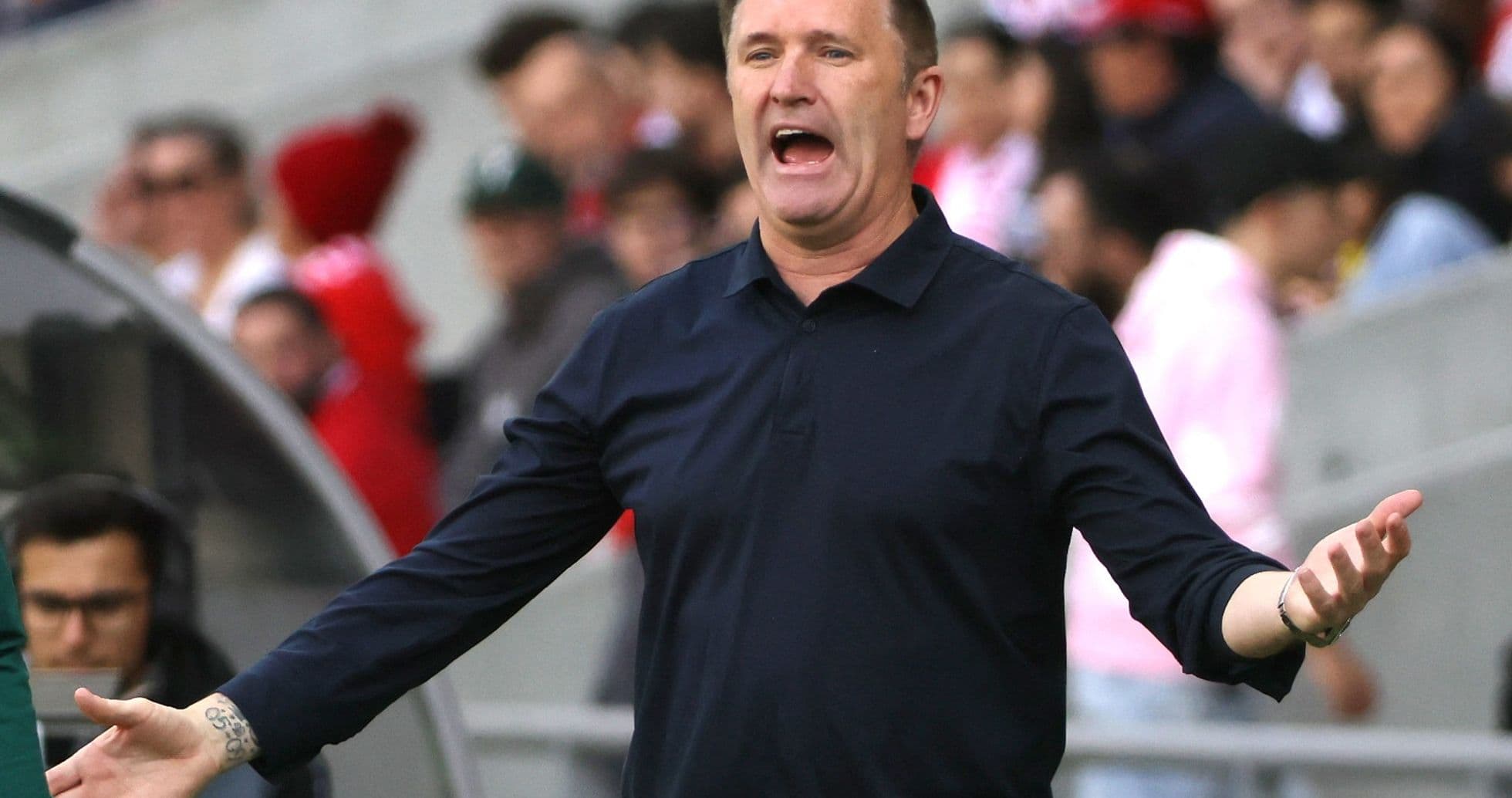
The former Republic of Ireland captain is understood to be the leading candidate to take over the Scottish champions, having reportedly entered talks with principal shareholder Dermot Desmond. On football terms alone, the move would be easy to sell: a decorated striker, Ireland’s record goalscorer, and a player who enjoyed a prolific loan spell at Celtic in 2010.
This is not just about football.
A fanbase at odds with the club’s direction
Keane’s decision to remain in Israel after the outbreak of the conflict in Gaza has long been a flashpoint. It drew criticism in Ireland and soured his standing with a vocal section of Celtic’s support, a fanbase that has made its stance on Palestine unmistakably clear.
Palestinian flags have become a regular feature at Celtic Park during the conflict. Banners, tifos, and repeated public statements have underlined what many supporters see as a core part of the club’s modern identity: solidarity with the Palestinian people.
Now that sentiment has hardened into direct opposition.
Graffiti and banners denouncing the prospect of Keane’s appointment have appeared outside Celtic’s stadium in Glasgow. The message is blunt: this is a line they do not want the club to cross.
Organised resistance
A statement from a group calling itself “Celtic Fans for the Liberation of Palestine” framed the potential appointment as a fundamental breach of the club’s values, insisting that hiring Keane “would be deeply divisive among the support”.
The “North Curve Celtic” account on X – a prominent voice among the club’s ultras – has published a list of 67 groups said to have endorsed that statement, giving the opposition a sense of organisation and scale rather than a handful of isolated voices.
“Celtic supporters have a long and proud history of solidarity with the Palestinian people,” the statement read. For those signing it, Keane’s time at Maccabi Tel Aviv during Israel’s assault on Gaza is not a footnote in his CV, but the central issue.
“For us, Robbie Keane’s decision to manage Maccabi Tel Aviv during the genocide in Gaza is impossible to ignore,” it continued. “To choose to manage a club in Israel while, less than 40 miles away, the same country was using indiscriminate weapons of mass murder against defenceless people is unconscionable.
“Celtic was founded by a community shaped by the legacy of genocide, displacement and famine. Our club’s roots lie in solidarity with those who suffered injustice and oppression.
“We urge the Celtic board to listen to supporters’ concerns and reconsider this appointment.”
Those words go to the heart of the dispute: what Celtic is, and what it should represent.
Keane’s stance and his record
Keane was appointed by Maccabi Tel Aviv in June 2023, months before the Hamas-led attacks of October 7 and Israel’s subsequent bombardment of Gaza. Once the war began, his decision to stay in the job for the remainder of the season became a lightning rod.
On the pitch, he delivered. The 45‑year‑old guided Maccabi to a league and cup double before resigning in 2024 and moving to Hungarian side Ferencvaros later that year. From a purely sporting perspective, his stock as a young manager rose.
Keane has said he stayed in Israel in part because of his responsibility to the backroom staff he had taken with him.
“I have a duty of care,” he explained. “My analyst, for example, was at Middlesbrough for 12 years. For him to come with me to Israel and then for me to just walk away, leaving him and his family.”
That rationale may resonate in dressing rooms and boardrooms. Among many Celtic supporters, it has not softened the anger.
A decision loaded with risk
All of this leaves the Celtic board staring at a decision that goes far beyond tactics, formations, and transfer budgets. Keane’s appointment would bring a popular former player back to Glasgow, but it would also test the relationship between the club’s hierarchy and a politically engaged fanbase that has not been shy about confronting authority, domestic or European.
Interim boss Martin O’Neill, 74, steadied the club this season, guiding Celtic to the Scottish Premiership title on the final day and adding the Scottish Cup. He has given Desmond and the board breathing space.
What they do with it now will shape not only the next phase of Celtic’s football project, but the trust – or lack of it – between the stands and the boardroom.