Celtic vs Bologna: Tactical Clash Analysis
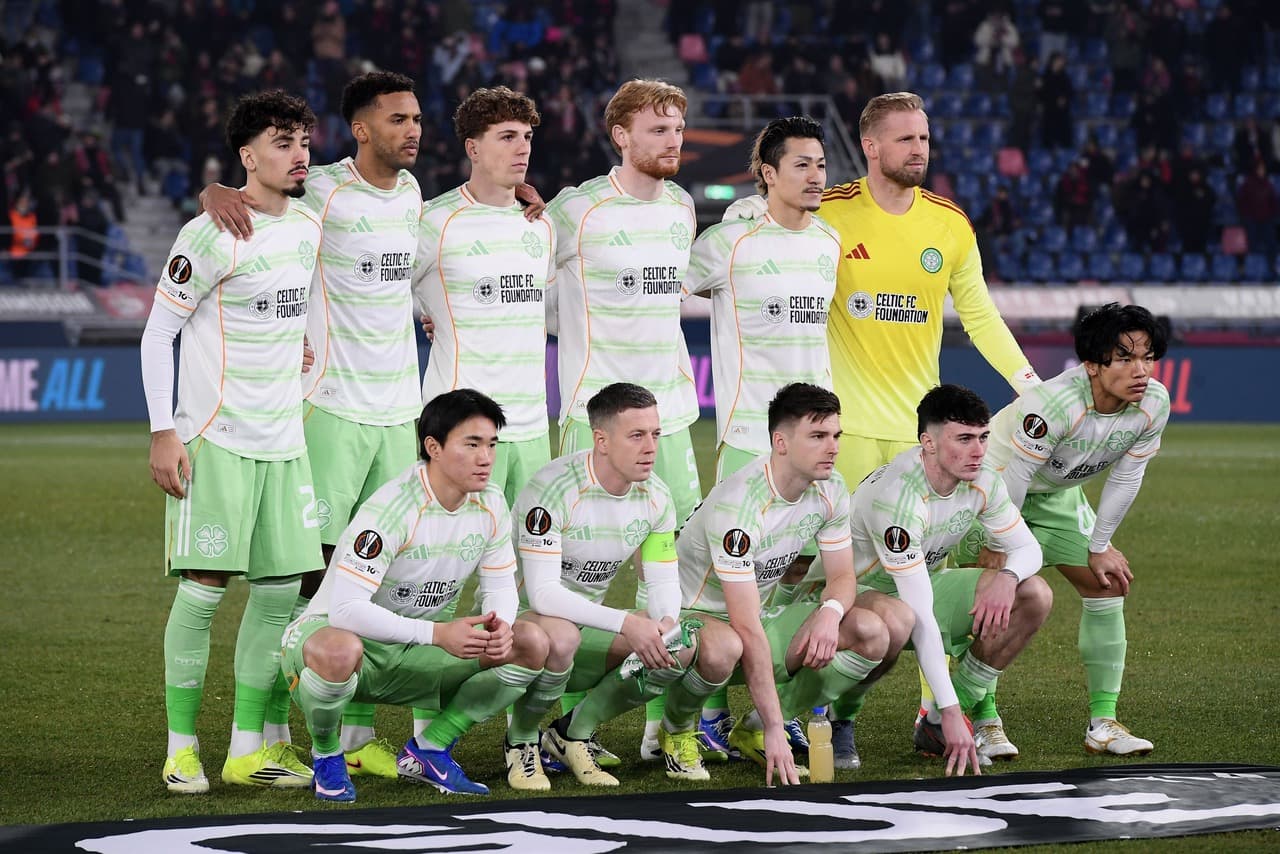
This was a classic clash between territorial dominance and compact resistance. Bologna’s 71% possession and 525 total passes against Celtic’s 29% and 236 passes show a game largely played in the Scottish side’s half. Yet the 2–2 scoreline underlines how Celtic controlled space more effectively, especially before the red card. Celtic’s 4-2-3-1 initially allowed them to spring forward quickly, generating 8 shots all from inside the box despite limited ball time. After going down to 10 men in the 34th minute, they retreated into a deeper, narrow block, conceding the ball but prioritising central protection. Bologna’s 4-3-3 became a siege structure: constant circulation, width and crosses, but often facing a crowded penalty area.
Offensive Efficiency
Bologna’s plan was relentless volume: 36 total shots, with 25 from inside the box and 16 corners. These numbers indicate sustained pressure, repeated entries into the area and a heavy emphasis on second balls around set pieces. However, only 10 of those 36 shots were on target and they produced just 2 goals from 2.46 expected_goals, pointing to wasteful finishing and rushed decision-making under a packed defence. The high blocked shots count (11) further confirms Celtic’s low block absorbing attempts rather than being fully opened up.
Celtic were the opposite: 8 total shots, all 8 from inside the box, and 5 on target. With just 2 corners and minimal possession, they still generated 1.99 expected_goals, a sign of clinical counter-attacking and high-quality chances when they did break. Their early phases, before the red card, were built on fast vertical attacks through the front four, turning limited ball time into clear opportunities. After the dismissal, their offensive output naturally shrank, but the underlying numbers show “ruthless efficiency” relative to volume, whereas Bologna embodied “sterile domination” for long stretches.
Defensive Discipline & Intensity
The foul count was moderate rather than extreme: 8 for Bologna and 11 for Celtic. However, Celtic’s 3 yellow cards and 1 red card, all for fouls, reveal a disruptive, risk-accepting defensive approach, especially in midfield where they tried to halt Bologna’s rhythm. Bologna’s single yellow card suggests they defended more positionally, with less need for tactical fouling given their territorial control.
Goalkeeping and last-ditch defending were crucial for Celtic. Kasper Schmeichel made 7 saves against Bologna’s 10 shots on target, a strong indicator that he underpinned the draw from a heavily besieged position. Bologna’s keeper needed only 3 saves, reflecting Celtic’s low shot volume but high shot quality. The 11 blocked shots by Celtic’s defence further highlight a compact, sacrificial block protecting the box once reduced to 10 men.
Conclusion
Ultimately, Celtic’s compact defensive block and ruthless chance creation with just 8 shots matched Bologna’s overwhelming 71% possession and 36-shot barrage. Bologna controlled the ball and territory; Celtic, through efficiency and resilience, controlled the scoreboard enough to escape with a draw.