Cavalry FC Asserts Dominance Over HFX Wanderers in Canadian Premier League
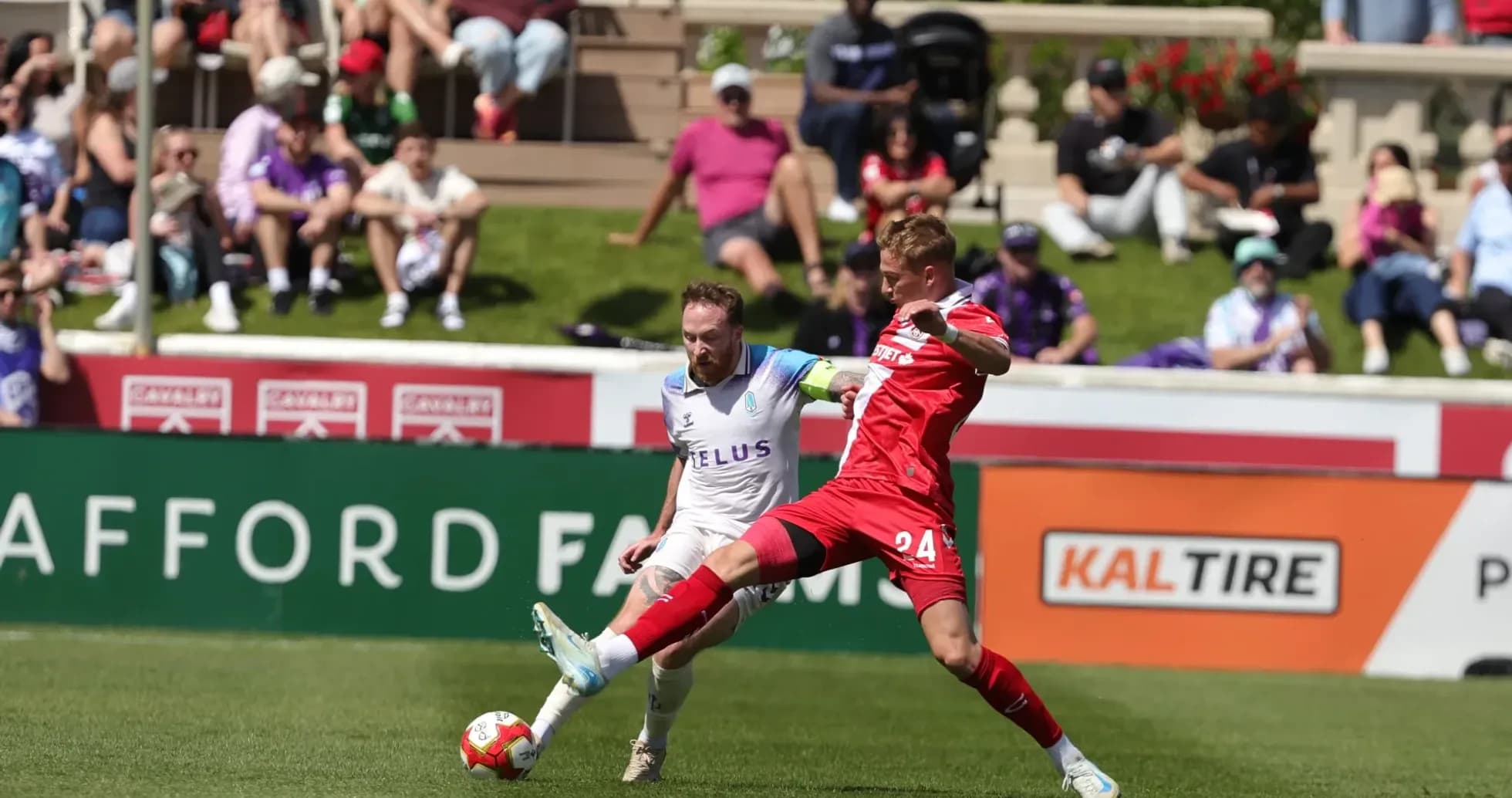
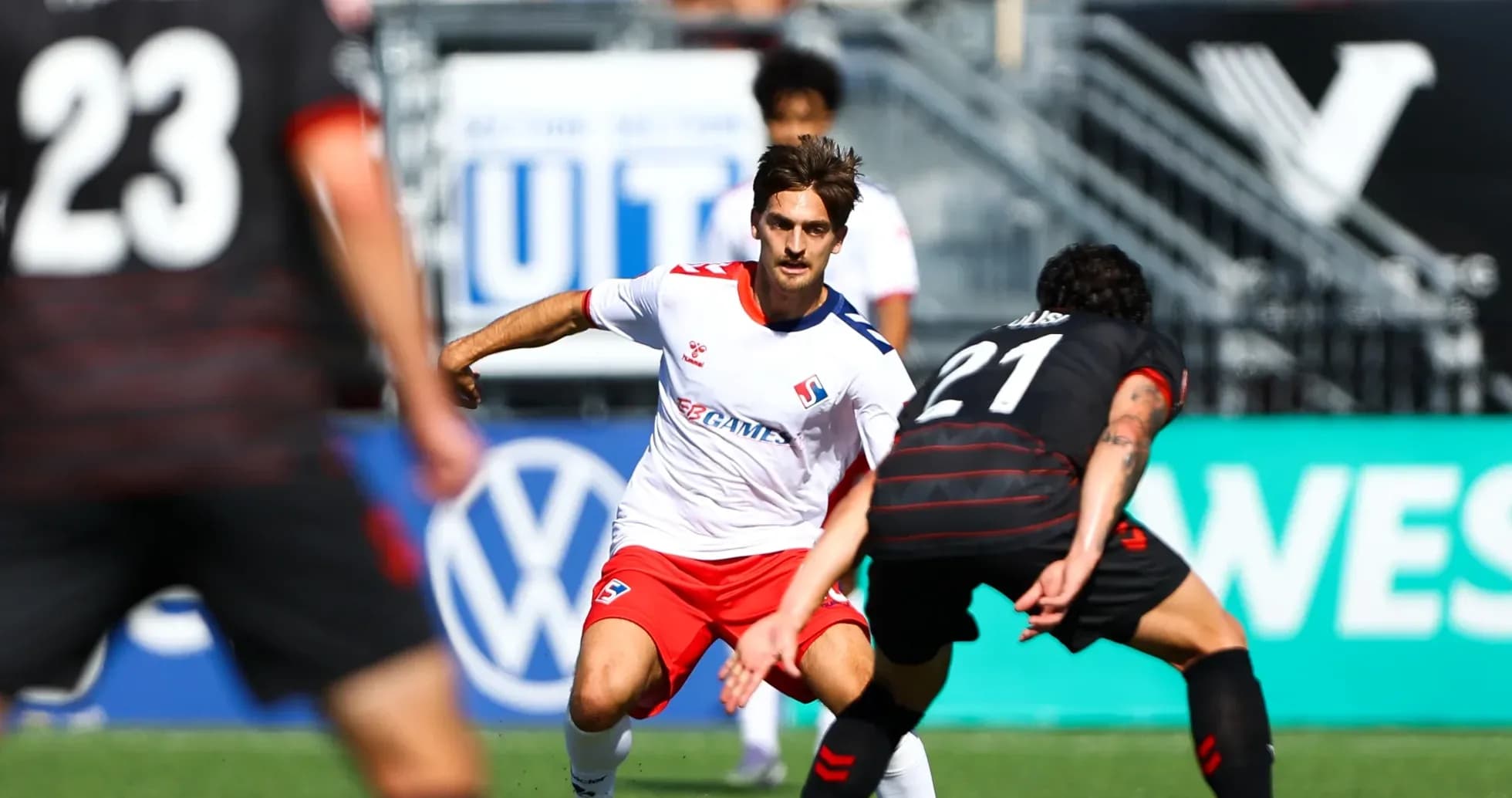
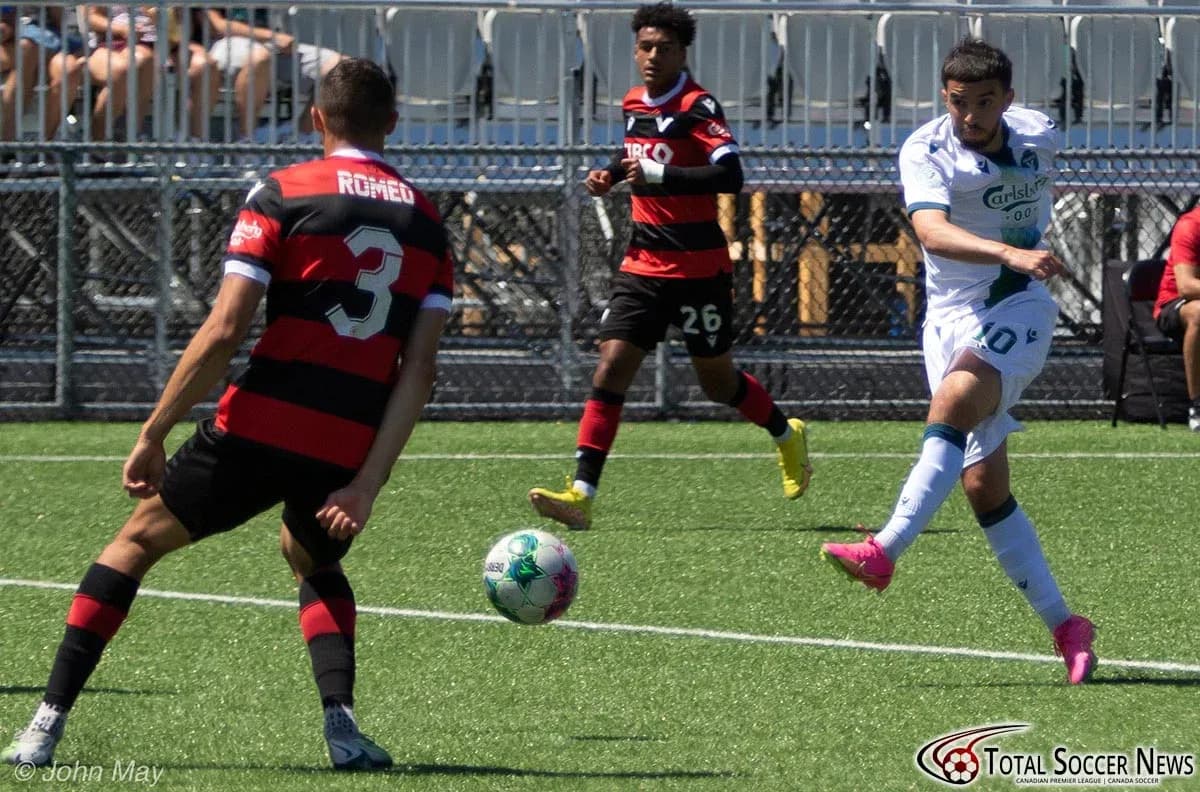
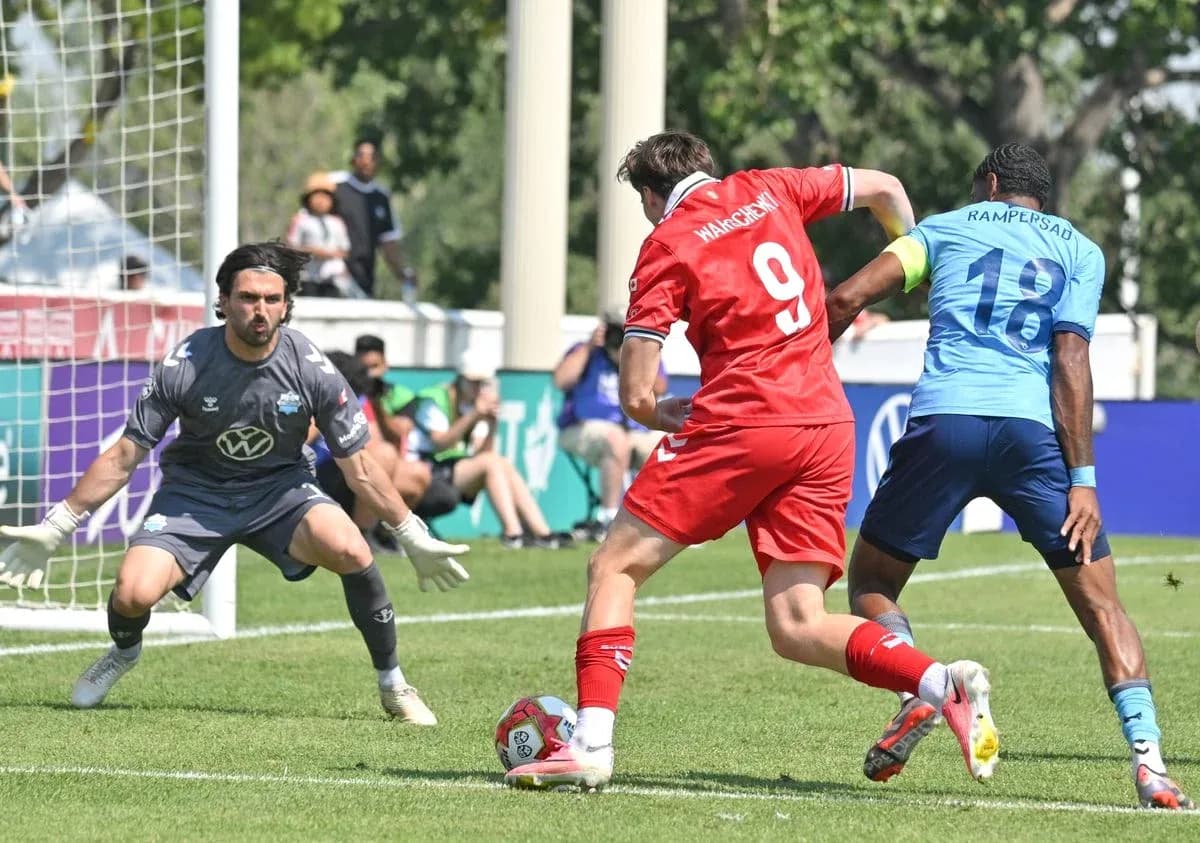
Under the lights at Wanderers Grounds, this Group Stage meeting in the Canadian Premier League set sixth‑placed HFX Wanderers FC against a Cavalry FC side marching at the summit. The 3–1 away win for Cavalry felt less like an upset and more like the league leaders asserting their seasonal identity: efficient, compact, and ruthless in transition.
Heading into this game, the table already told a story of contrast. HFX Wanderers sat 6th with 20 points from 21 matches, their overall record of 5 wins, 5 draws, and 11 defeats underlining a campaign of inconsistency. Their overall goal difference stood at -8, with 29 goals scored and 37 conceded. At home they had been competitive if fragile: 3 wins, 3 draws, and 4 defeats, scoring 15 and conceding 17. Cavalry arrived in Halifax as the league’s benchmark side: 1st place, 46 points from 20 matches, with 14 wins, 4 draws, and only 2 losses. Their overall goal difference of 28 (40 scored, 12 conceded) reflected a balance of attacking edge and defensive steel that no one else in the division has matched.
HFX Wanderers Tactics
Vanni Sartini’s choice of a 4‑3‑3 for HFX Wanderers was an attempt to stretch Cavalry’s back four horizontally and find pockets between the lines. M. Carducci in goal behind a defensive line of Jefferson Alphonse, T. Meilleur‑Giguère, F. Linder, and R. Telfer suggested a back four that would be asked to defend wide spaces against Cavalry’s fluid front line. In midfield, the double pivot of L. Callegari and L. Olguin with I. Johnston ahead of them was the creative and structural heart of the side. Johnston, the club’s leading scorer this season with 6 goals and 1 assist, has been HFX’s primary end‑product threat from midfield, while Callegari, with 3 goals, 15 key passes, and an 87% pass accuracy, is the metronome and organiser.
Up front, Miguel Arilla, J. Bahamboula, and A. Reid formed a mobile front three. Arilla, the league’s leading assist provider with 4 assists and 2 goals, offers vertical running and final‑third invention. His 12 key passes and willingness to drive at defenders (23 dribble attempts, 12 successful) make him the natural conduit between midfield and attack.
On the bench, Sartini had a pair of game‑changing profiles in Tavio Ciccarelli and A. Rampersad. Ciccarelli’s 3 goals from just 281 minutes and a penalty converted underline his value as an impact forward, even if his disciplinary record (3 yellow cards and 1 yellow‑red) carries risk. Rampersad’s presence gave an option to stiffen midfield if the game state demanded control rather than chaos.
Cavalry FC Tactics
Cavalry, under Tommy Wheeldon Jr., lined up in their now-familiar 4‑2‑3‑1. N. Ingham started in goal, shielded by a back four of A. Pearlman, D. Klomp, A. Didic, and B. Kamdem. The double pivot of H. Paton and S. Camargo in front of them gave Cavalry both bite and guile. Paton, who has 7 yellow cards this season, is the side’s enforcer, breaking up play and setting the rhythm with 84% pass accuracy. Camargo, with 2 goals and 1 assist, knits together the transitions and offers late runs into the box.
Ahead of them, a line of three – N. Myroniuk, T. Warschewski, and N. Edwards – supported lone forward C. Elva. Warschewski, with 4 goals and 2 assists, is both hunter and creator: 24 shots, 14 on target, and 25 key passes make him one of the league’s most dangerous all‑round attackers. His ability to drift into half‑spaces and link with Elva was a constant threat to the HFX back line.
The benches reinforced Cavalry’s tactical flexibility. E. Kobza, a combative midfielder with 6 yellow cards and 1 yellow‑red this season, offered extra steel if the match turned into a midfield battle. Wide options like O. Antoniuk and the creativity of M. Baldisimo allowed Wheeldon Jr. to pivot between protecting a lead and chasing extra goals.
Statistical Analysis
From a statistical lens, the tactical voids were stark. HFX Wanderers’ overall defensive record – conceding 37 goals at an average of 1.8 per match – sits in uncomfortable contrast to Cavalry’s overall attacking average of 2.0 goals per game. On their travels, Cavalry had scored 17 and conceded only 6, an away average of 1.7 goals for and 0.6 against, making them the league’s most reliable road side.
The timing of HFX’s goals and concessions is revealing. Overall, they score most heavily between 76–90 minutes, with 25.93% of their goals arriving in that late surge. But they also suffer badly between 61–75 minutes, conceding 23.08% of their goals in that window, and another 20.51% between 46–60. This intersection – a side that often unravels just after half-time against a Cavalry team that manage games superbly – was always likely to be decisive.
HFX’s offensive rhythm is more evenly spread: 22.22% of their goals between 46–60 minutes and 18.52% between 31–45 show they can build pressure either side of the break. Yet their inability to keep clean sheets (only 4 overall, 3 at home) and the fact they have conceded in 17 of 21 matches overall left Carducci and his back four exposed against one of the league’s most efficient attacks.
Disciplinary Trends
Disciplinary trends added another layer to the tactical preview. HFX’s yellow cards spike late, with 30.95% of their bookings arriving between 76–90 minutes and another 11.90% in added time. That late‑game indiscipline, combined with Cavalry’s capacity to draw fouls through dribblers like G. Ntignee and Warschewski, created a scenario where set‑pieces and broken play could tilt the match. Cavalry’s own red‑card history – notably Kobza’s yellow‑red – meant they had to balance aggression with control, but their overall defensive record of just 12 goals conceded in 20 matches suggested they manage that risk well.
Key Matchups
Individually, the “Hunter vs Shield” duel was embodied by Johnston and the Cavalry centre‑back pairing of Klomp and Didic. Klomp’s season – 3 goals, 1 assist, 586 passes at 91% accuracy, and 5 shots blocked – shows a defender as comfortable stepping into midfield as he is defending his box. His duel with Johnston, who has attempted 31 dribbles and taken 20 shots, was central to whether HFX could break Cavalry’s compact block.
In the “Engine Room,” Callegari and Olguin faced Paton and Camargo. Callegari’s 855 passes and 21 combined tackles and interceptions underline his role as HFX’s organiser and first presser. Olguin, with 90% pass accuracy and 91 duels contested, adds bite and progression. Against them, Paton’s 18 tackles and 19 fouls committed signpost a midfielder who will test the referee’s tolerance, while Camargo’s 85% accuracy and ability to drop into pockets behind Cavalry’s double pivot help them escape pressure and spring counters.
With both sides perfect from the spot this season – HFX converting all 6 penalties overall and Cavalry all 3 overall, with no misses for either – any penalty incident was always likely to be decisive rather than squandered.
In the end, the 3–1 scoreline reflected the statistical prognosis. Cavalry’s superior defensive solidity, their away scoring rate, and their ability to exploit HFX’s vulnerable post‑interval phases translated cleanly from numbers to narrative. For HFX Wanderers, the challenge after this result is clear: maintain the late attacking surge that defines their best moments, but repair the structural cracks that continue to open just when the match is most finely poised.