Michael Carrick Defends United's Performance After Sunderland Draw
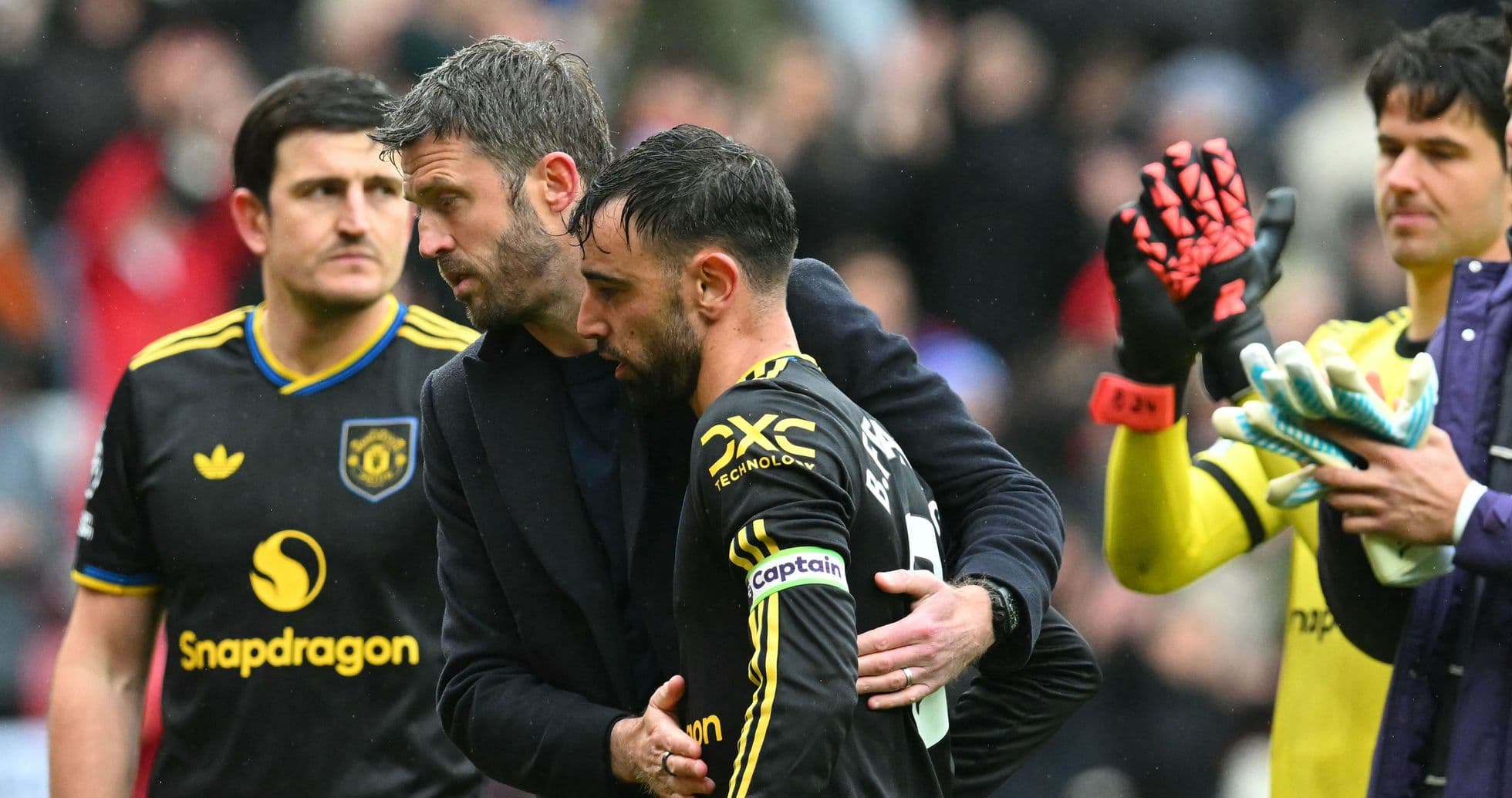
Michael Carrick bristled. The suggestion that his United players had already “gone to the beach” after securing Champions League football cut straight through the usual post-match politeness.
A week on from an emotionally charged, top-four-clinching win over Liverpool, his side turned in a flat, disjointed display at the Stadium of Light. Sunderland, sharper and hungrier for long spells, pushed United around the pitch and should have taken more than a point. Only Senne Lammens, excellent and unflustered in goal, stopped them.
United created next to nothing. Their only genuine effort on target came in the 93rd minute, Matheus Cunha finally forcing Robin Roefs into action. For a team that had just punched its ticket back to Europe’s elite, this looked like a comedown.
Carrick refused to accept that narrative.
He bristled at the implication that his players had eased off once the main job was done. To him, the way they clung to the draw under pressure said more about their mentality than the lack of attacking fluency.
“I almost get offended by that,” he said, when asked about suggestions of complacency.
The United manager pointed to the squad’s preparation, their focus before kick-off, and their willingness to dig in once Sunderland seized control. In his eyes, a side coasting through the final weeks of the season would have lost this game.
Sunderland’s performance backed up his point. They moved the ball with purpose, stretched United’s back line and forced Lammens into several important interventions. The home side dictated long periods of the afternoon; United, heavy-legged and heavily rotated, never really found a rhythm.
The criticism, though, clearly stung Carrick. He leaned on the club’s identity as a standard that simply does not allow players to switch off. The badge, the expectation, the scrutiny – that, he argued, is its own fuel.
He spoke about pride, about the responsibility of representing “this great club,” and made it clear that motivation would not be the reason for any dip in these final weeks. Performances may fluctuate. Application, he insisted, will not.
The evidence on the pitch offered a more nuanced picture. United were organised without the ball, but blunt with it. They defended their box with determination, yet rarely carried a sustained threat of their own. The clean sheet owed as much to resilience and Lammens’ sharp handling as it did to any control of the contest.
Carrick, though, chose to lean into the positives. For him, this was one of those days where a point taken while playing poorly becomes part of a broader story about a squad learning how to suffer together.
“It was a tough game,” he admitted, giving Sunderland their due.
His team, rotated and searching for cohesion, had to scrap for every loose ball and survive stretches where they were second best. That they did so without conceding, he argued, was a “good trait” in its own right.
There was no attempt to dress the performance up as anything more than that. United were not at their best. They know it, he knows it. But in Carrick’s mind, the draw, the clean sheet, the late save from Cunha’s effort – all of it forms a small, necessary step in building a side that can live with pressure, not just when chasing glory, but when grinding through the less glamorous days that follow it.
The Champions League place is already in the bag. The question now is whether this version of United can turn resilience into a habit, rather than a one-off escape act on a flat afternoon in Sunderland.