Bruno Fernandes' Future at Manchester United: A Crucial Decision
Manchester United know exactly what is at stake.
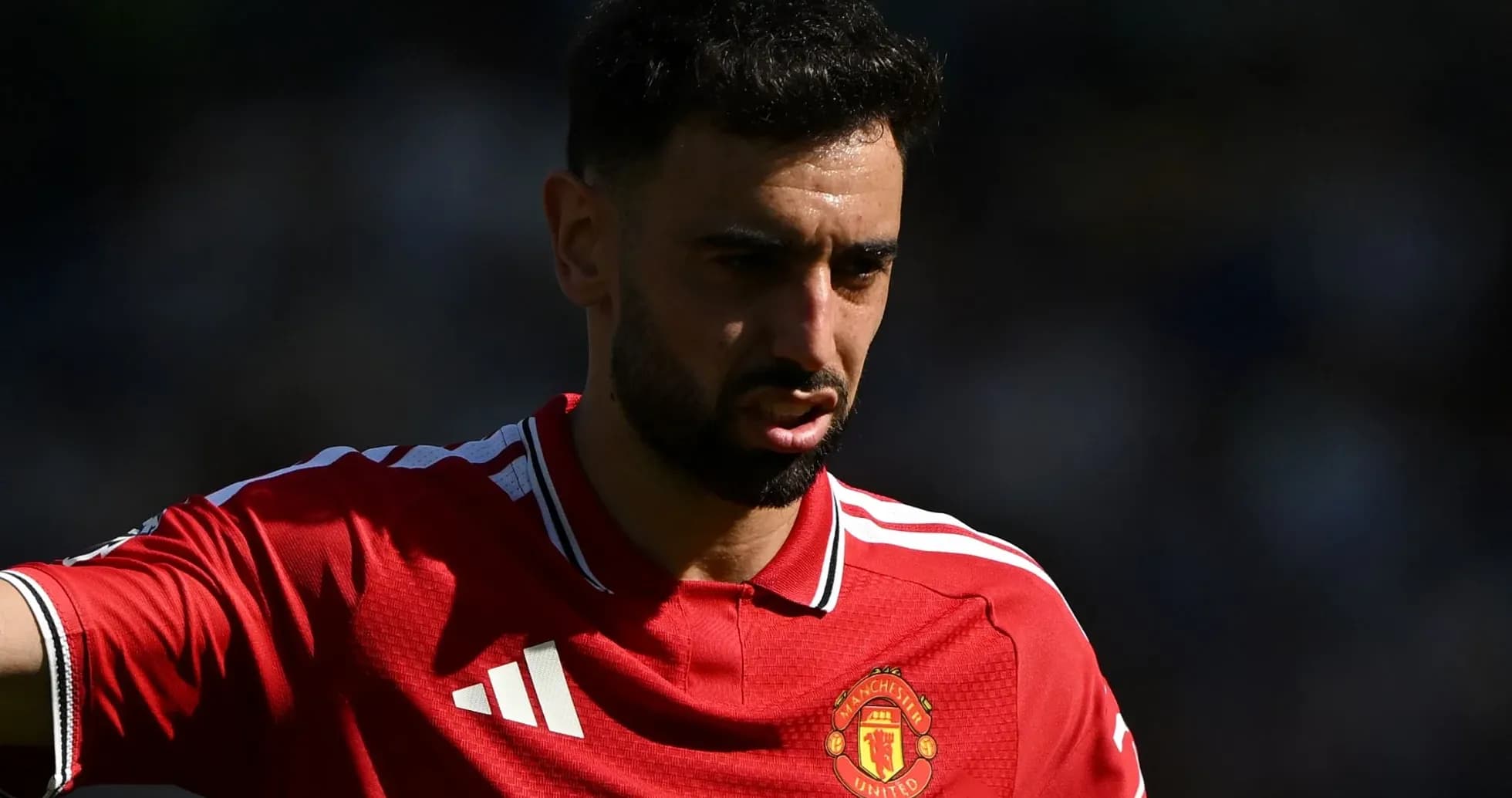
Their captain, their creative heartbeat, the man who dragged them through another turbulent season, is walking into the final year of his deal. There is a 12‑month extension clause they can trigger, a safety net built into Bruno Fernandes’ contract, but everyone at Old Trafford understands that this is not a situation to be kicked down the road. Not with the new season closing in. Not with their most important player edging towards 32.
The ideal outcome is clear: agreement, signatures, announcement – all before United kick a competitive ball in 2026-27.
A Record-Breaking Leader
Fernandes has just come off a campaign that underlined, in bold, why United cannot afford to gamble with his future. Twenty-one assists in the Premier League. A figure that wrestled a slice of history away from Thierry Henry and Kevin De Bruyne and planted his name in the record books.
These are not the numbers of a fading force. They are the returns of a player still dictating games at the highest level, still setting the tempo, still dragging standards upwards in a squad that has often looked short of them.
He will turn 32 in early September. In modern football, that age often triggers hard lines in boardrooms: shorter contracts, tighter wage structures, stricter internal rules on players past 30. At United, those rules are now being tested by the man who has carried the armband since 2023.
Since arriving in January 2020, Fernandes has made 327 appearances and scored 107 goals. From midfield. Five Player of the Year awards have followed, a reflection of both his consistency and the club’s reliance on him. FA Cup and Carabao Cup medals sit on his shelf, but they feel like incomplete punctuation marks rather than the defining chapters of a United career.
“Sometimes You Have to Break the Rules”
That is the tension now gripping Old Trafford: policy versus reality. On paper, United want a more disciplined approach with older players. On the pitch, Fernandes remains the man they cannot do without.
Michael Owen, a Premier League winner and former United striker, is unequivocal about what the club must do. Speaking to GOAL, he argued that this is the moment to set the spreadsheets aside and recognise the exception in front of them.
He pointed to the internal “rules and regs” that warn against long, lucrative deals for players of a certain age, the guidelines that say you “shouldn't be paying this” or “shouldn't be giving long contracts”. Then he cut through the theory. Sometimes a player is “just so important”, he insisted, that the rulebook has to bend.
If he were in charge at Old Trafford, Owen said he “wouldn't be able to bear going into the season” without Fernandes. Age? Irrelevant. Risk profiles? Park them. For United to “continue their progression”, the captain, in his view, is non‑negotiable.
Temptations Rebuffed, Questions Remain
United have already stared down one major threat to that relationship. Interest from the Saudi Pro League arrived with serious money and serious intent. At one stage, United appeared open to at least listening to offers. Yet the move never materialised, and Fernandes stayed.
That decision, to remain at what is still marketed as the “Theatre of Dreams” during a bruising transitional spell, has not gone unnoticed among former players. It also sharpened the urgency for United’s hierarchy: if they will not cash in, they must commit.
Mikael Silvestre, another ex‑Red Devil, made that point while speaking to GOAL. He called Fernandes “a key player” and welcomed his choice to resist Saudi interest and “stick with the club in a difficult moment in the transition”. In a side beset by inconsistency and off-field noise, the Portuguese playmaker delivered. Silvestre went as far as to describe him as “the best player of the league last season”.
For United, that level of influence is priceless. For Fernandes, it poses a different question: what will his legacy actually look like?
Greatness Demands Trophies
Silvestre reached for a powerful comparison. Steven Gerrard, he noted, is a Liverpool great without a Premier League title, though he does have a Champions League to his name. Gerrard’s standing at Anfield is unquestioned, yet even his story carries that familiar asterisk: the missing league crown.
Fernandes’ “footprint at United is already big,” Silvestre argued. The numbers, the awards, the leadership, the loyalty during a turbulent period – all of it has built a strong bond with supporters. But to become “something really special” in the history of Manchester United, in the eyes of the Frenchman, one thing is still missing.
A major title. The Premier League or the Champions League. Not just domestic cups, not just individual accolades, but the kind of trophy that defines eras and carves faces into club folklore.
Silvestre framed it bluntly: it is one thing to be part of the club in a “successful time”, but you “have to win titles”. That is the bar at Old Trafford. It always has been.
A Defining Call for Club and Captain
So United stand at a crossroads with their captain. Trigger the clause and delay the hard decision? Or sit down now, rip up the age-based caution, and hand a long-term commitment to a 32-year-old who still plays like the team’s compass?
Bruno Fernandes is back from World Cup duty with Portugal and back in training, preparing for another season in red. The club want him leading the next phase of their rebuild. The player wants a platform worthy of his ambitions.
The contract will tell the truth about how much Manchester United believe he can still shape their future – and whether his story in their shirt ends as a tale of talent and loyalty, or as the era when their talisman finally dragged them back to the very top.