Brentford vs Fulham: Tactical Stalemate on a Grey London Afternoon
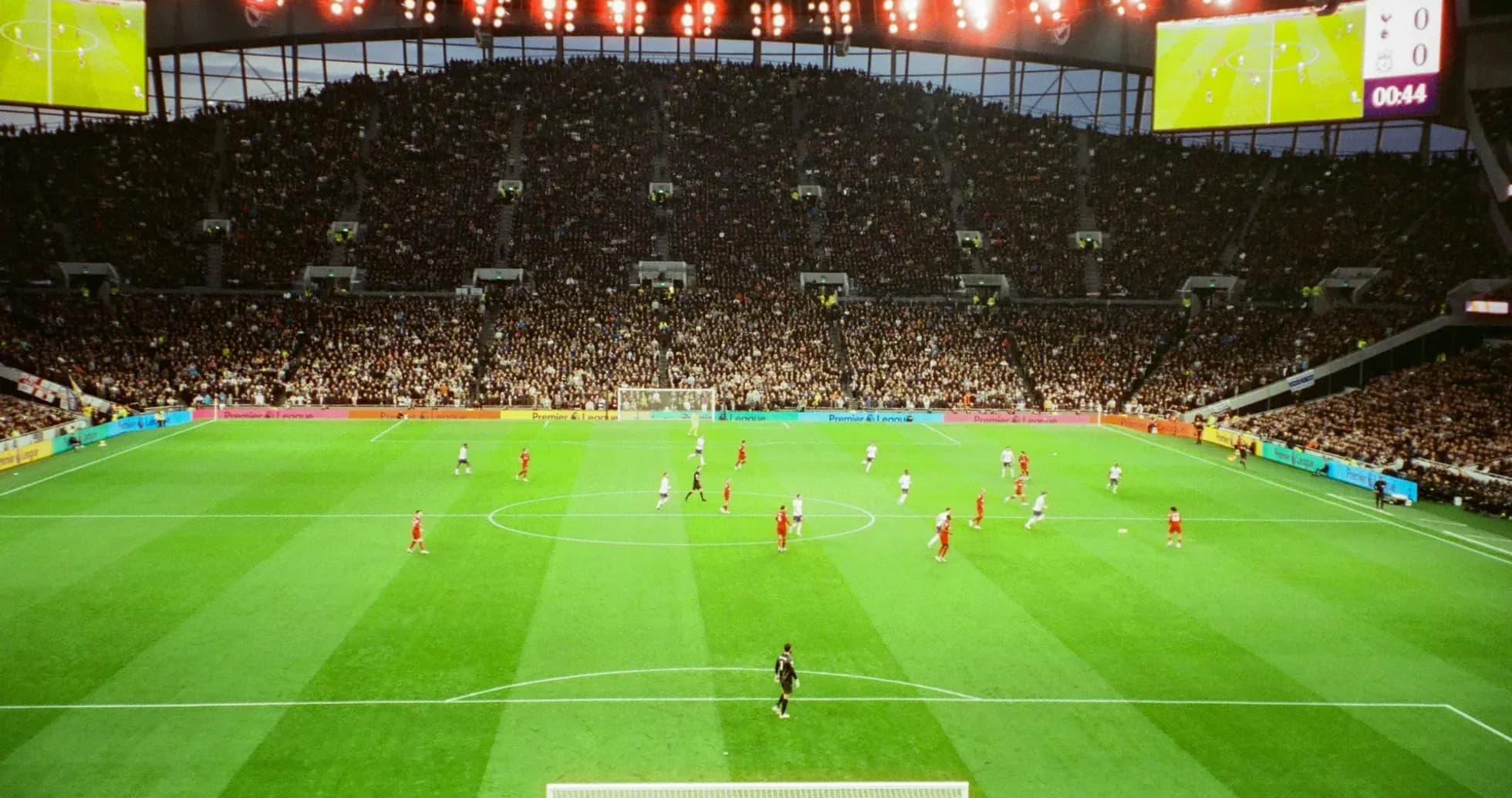
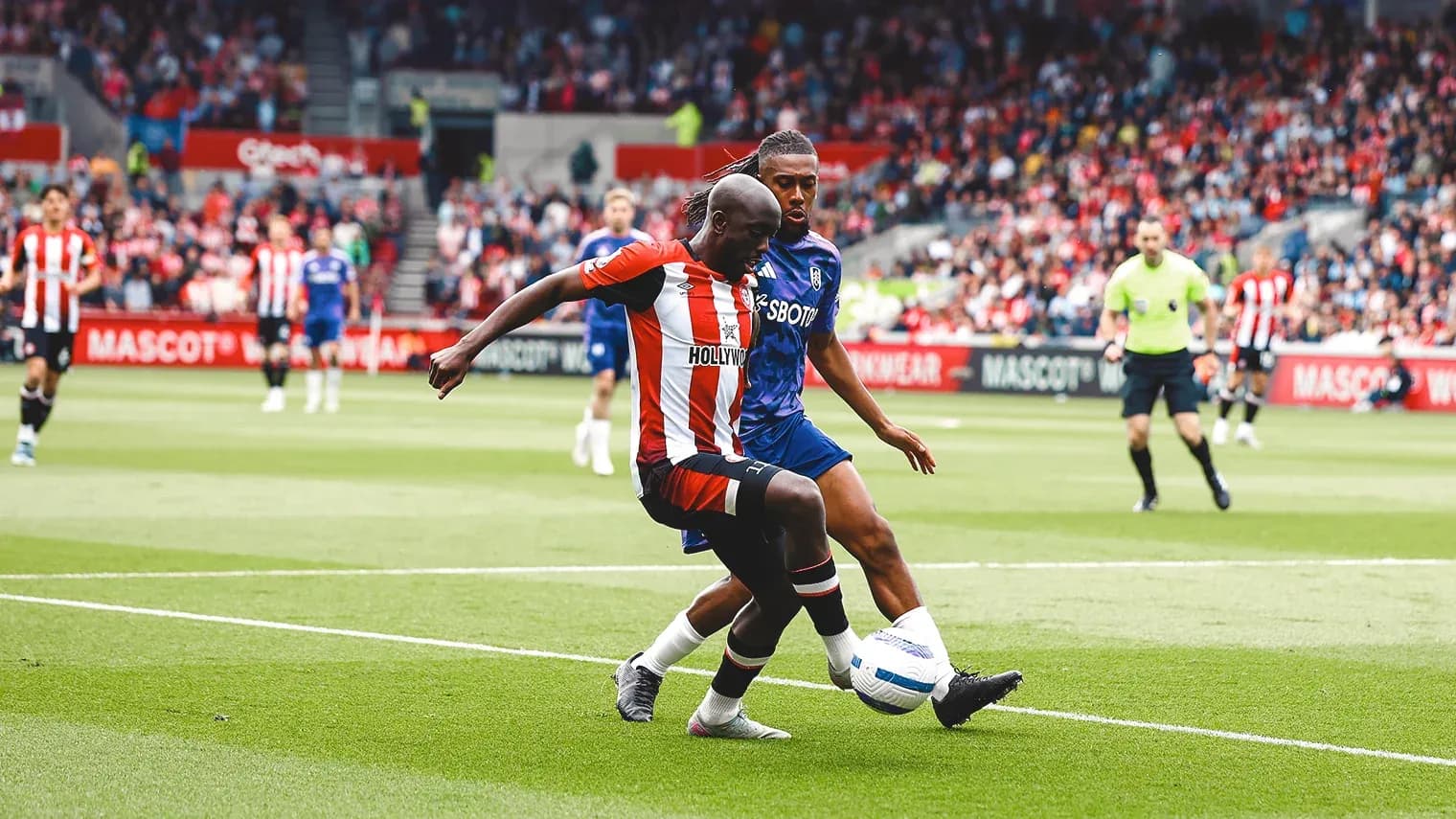
At the Brentford Community Stadium, a grey London afternoon framed a goalless draw that said far more about structure and resilience than the 0-0 scoreline suggested. Following this result, Brentford’s steady push from 7th in the Premier League table and Fulham’s pursuit from 12th collided in a tactical stalemate between two sides whose seasonal DNA is surprisingly similar: both favour a 4-2-3-1, both average 1.5 and 1.3 goals per game overall respectively, and both walk the tightrope between controlled aggression and defensive vulnerability.
Brentford came in with a positive overall goal difference of +4, built on 48 goals for and 44 against across 33 matches. At home they have been more assertive, scoring 28 and conceding 19 in 17 games, an attacking average of 1.6 goals and a defensive average of 1.1. Fulham, by contrast, carried a negative overall goal difference of -3 (43 for, 46 against). On their travels they have been more cautious and less productive: 16 away goals scored, 27 conceded, with averages of 0.9 for and 1.6 against. This was the statistical backdrop to a match that ultimately became about denying space rather than exploiting it.
The team sheets underlined that tension. Both managers leaned into their familiar 4-2-3-1. Keith Andrews set Brentford up with C. Kelleher in goal behind a back four of M. Kayode, S. van den Berg, N. Collins and K. Lewis-Potter. Ahead of them, the double pivot of Y. Yarmolyuk and M. Jensen was tasked with knitting together defence and attack, feeding a fluid three of D. Ouattara, M. Damsgaard and K. Schade behind lone striker I. Thiago.
Marco Silva mirrored the shape: B. Leno in goal; a Fulham back line of T. Castagne, J. Andersen, C. Bassey and R. Sessegnon; S. Lukic and T. Cairney as the central pair; H. Wilson, E. Smith Rowe and A. Iwobi supporting Rodrigo Muniz. On paper, this was a game rich in creative hubs and individual threat. In practice, the mirroring of structures produced a chess match of matched lanes and cancelled passing angles.
The tactical voids were felt most keenly in Brentford’s depth. A lengthy absentee list stripped Andrews of several profiles that normally give his side flexibility: F. Carvalho, J. Dasilva, K. Furo, J. Henderson, R. Henry, V. Janelt and A. Milambo were all missing, largely through knee, muscle or foot injuries. That removed natural rotation options in midfield and at full-back, forcing Lewis-Potter to continue as a nominal defender and placing a heavier creative burden on Jensen and Damsgaard between the lines.
Fulham’s issues were more compact but still significant. Kevin and K. Tete were both unavailable with foot injuries, reducing Silva’s options in wide and defensive areas. Without Tete, the balance of the right flank depended heavily on Castagne’s ability to go up and down, with Wilson asked to track back more than he might prefer.
Discipline was a quiet but important undercurrent. Brentford’s season-long yellow card profile shows a pronounced late-game surge: 25.86% of their cautions arrive between 76-90 minutes, and another 10.34% in added time. Fulham, meanwhile, see 19.70% of their yellows in both the 46-60 and 76-90 ranges, and a striking 24.24% between 91-105 minutes. This is a fixture of two sides who often live on the edge as legs tire and spaces open. That neither side tipped into red-card territory here owed as much to game state as to restraint; Brentford’s only red this season has gone to K. Schade, whose willingness to run and contest every duel remains both an asset and a risk.
The “Hunter vs Shield” storyline centred on I. Thiago, the league’s second-ranked forward by rating, and a Fulham defence that has struggled away from home. Thiago has 21 goals and 1 assist in the league, with 61 shots (39 on target) and 7 penalties scored from 8 attempts. His physical presence and duel volume — 457 contests, 181 won — make him a constant reference point. Fulham’s away record, with 27 goals conceded in 17 matches, suggested vulnerability in defending crosses and second balls around the box.
Yet Fulham’s central pairing of Andersen and Bassey held firm, compressing the space Thiago usually thrives in. They were aided by Lukic’s screening in front of the back four, denying Jensen the passing lanes he typically uses to slide balls into the Brazilian’s feet. Brentford’s plan to overload wide areas through Schade and Ouattara never quite broke Fulham’s compact 4-4-1-1 out of possession, which often saw Smith Rowe tuck in to form a narrow midfield three.
In the “Engine Room”, Jensen and Yarmolyuk squared up against Cairney and Lukic. Brentford’s pair tried to impose a quicker tempo, with Jensen dropping deep to dictate and Yarmolyuk stepping higher to press Cairney. Fulham’s response was to use Cairney’s composure to slow the game, recycling possession and allowing Wilson and Iwobi to drift into half-spaces. Wilson, Fulham’s creative heartbeat with 10 goals and 6 assists this season and 33 key passes, repeatedly tried to unbalance Brentford with diagonal movements and set-piece quality, but Kelleher’s command of his area and the aerial work of van den Berg and Collins blunted much of that threat.
From a statistical prognosis standpoint, a 0-0 feels like an under-delivery relative to both sides’ seasonal Expected Goals profiles, but the defensive solidity on display was real. Brentford, who have failed to score in 11 matches overall this season, ran into a Fulham side that, despite their away frailties, can still produce organised, low-block resilience. Fulham, who have failed to score 9 times overall, again showed the familiar pattern of away conservatism.
Following this result, the story is of two teams whose structures are sound but whose margins are fine. Brentford’s home averages and overall +4 goal difference still paint them as a side capable of more incisive attacking output than they showed here. Fulham’s negative goal difference and away record remind us that clean sheets on their travels are valuable currency, even if they come at the cost of ambition.
In narrative terms, this was less a missed opportunity and more a tactical ceasefire — a reminder that in a league defined by chaos, two well-drilled 4-2-3-1s can still neutralise each other into silence.