Brentford and Crystal Palace Share Points in Dramatic 2-2 Draw
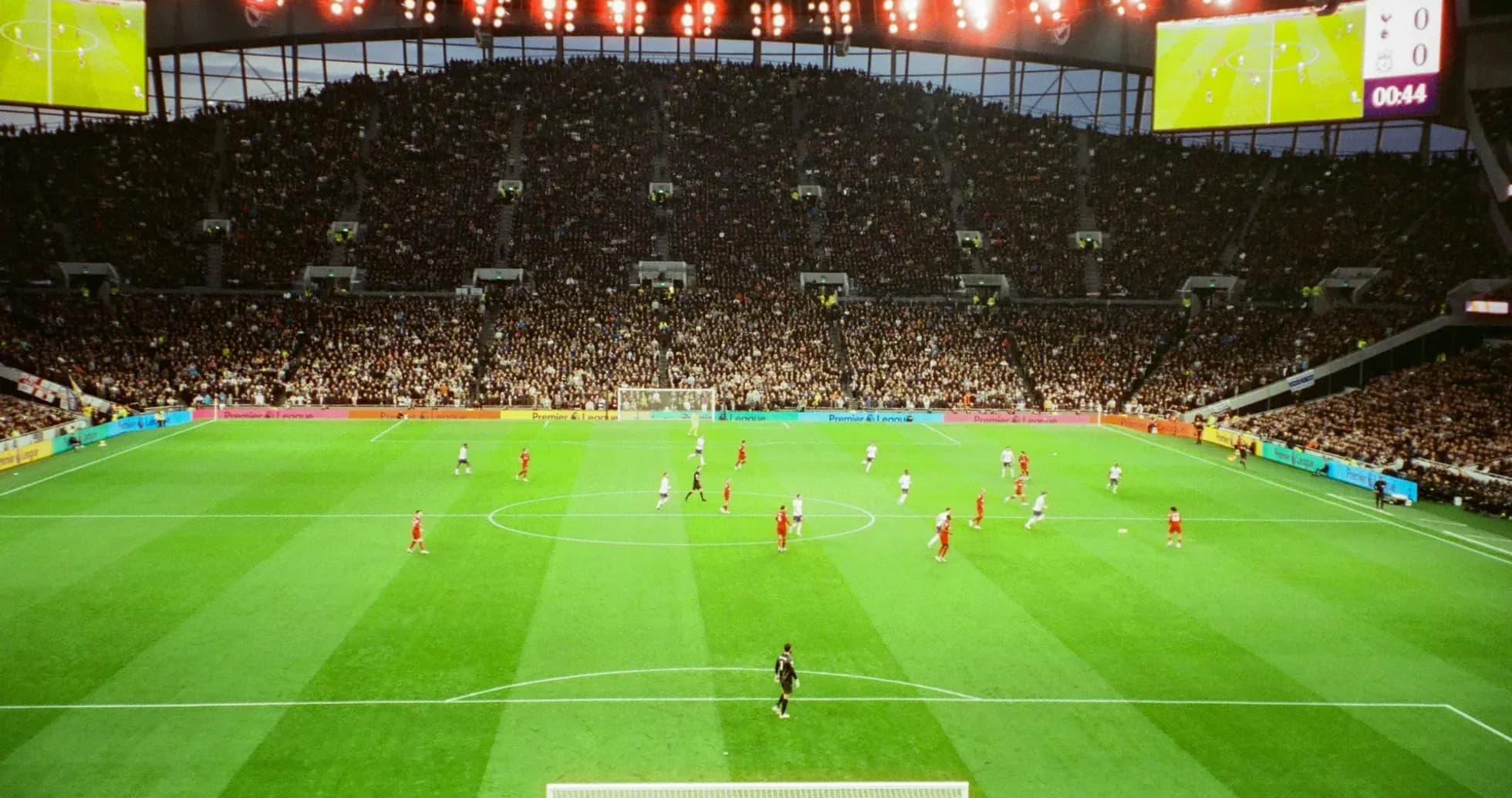
On a late-season afternoon at the Brentford Community Stadium, two teams with contrasting trajectories met and refused to blink. Brentford, pushing from 8th with European whispers in their ears, and Crystal Palace, 15th and still glancing over their shoulders, produced a 2-2 draw that felt like a distilled version of their entire campaigns: chaotic, open, and relentlessly emotional.
Following this result, the table tells you why the draw stings more for Brentford. Overall they have 52 points from 37 matches, with a goal difference of 3, built on 54 goals for and 51 against. At home they have been a quietly formidable side: 19 matches, 8 wins, 8 draws, just 3 defeats, scoring 33 and conceding 21. Crystal Palace, by contrast, arrived as one of the league’s more dangerous travellers. On their travels they have played 19, winning 7, drawing 3 and losing 9, with 22 goals for and 28 against – a profile of a side that can hurt you but rarely keeps things tidy.
I. The Big Picture – Structures and Seasonal DNA
Both coaches leaned into their season-long identities. Keith Andrews went with his trusted 4-2-3-1, a shape Brentford have used in 28 league matches. C. Kelleher anchored the side behind a back four of M. Kayode, K. Ajer, N. Collins and the attack-minded K. Lewis-Potter. In front of them, the double pivot of Y. Yarmolyuk and V. Janelt was tasked with balancing protection and progression, while a creative band of three – D. Ouattara, M. Jensen and M. Damsgaard – floated around lone striker I. Thiago.
Opposite him, Oliver Glasner doubled down on his 3-4-2-1, the formation Palace have used 32 times this season. D. Henderson stood behind a back three of J. Canvot, M. Lacroix and C. Riad. The wing-backs D. Munoz and T. Mitchell flanked central duo A. Wharton and D. Kamada, with I. Sarr and Y. Pino supporting J. S. Larsen up front. It was a system built for vertical transitions and wide overloads, perfectly matched to Palace’s season-long pattern: overall they score 1.1 goals per game and concede 1.3, but their attacking spikes and defensive collapses often arrive in the same breath.
Brentford’s scoring profile framed the narrative of this game. Overall they average 1.5 goals per match, 1.7 at home, with a pronounced late-game surge: 34.55% of their league goals have come between 76-90 minutes. Palace, meanwhile, are at their most incisive just before half-time, with 31.71% of their goals in the 31-45 minute window, but they are also at their most vulnerable there: a staggering 39.58% of their goals conceded arrive in that same 31-45 range.
II. Tactical Voids – Absences and Discipline
The absentees shaped both benches and in-game options. Brentford were without F. Carvalho (knee injury), R. Henry (muscle injury) and A. Milambo (knee injury) – three players whose absence reduced Andrews’ flexibility, particularly in terms of rotation at full-back and in advanced midfield roles. For a side that already leans heavily on its core 4-2-3-1 structure, the missing depth meant longer shifts for the starting creative unit and fewer like-for-like options if the game tilted physically.
Crystal Palace had their own voids to manage. C. Doucoure (knee injury), E. Nketiah (thigh injury) and B. Sosa (injury) were all missing, stripping Glasner of a key ball-winner in midfield, an alternative penalty-box striker, and a natural left-sided outlet. Without Doucoure, Palace’s central shield was more technical than destructive, putting extra responsibility on A. Wharton and Kamada to manage Brentford’s between-the-lines movement.
Disciplinary patterns for both teams hinted at the game’s likely arc. Brentford’s yellow cards skew late: 27.27% arrive between 76-90 minutes, with another 22.73% between 61-75. Palace mirror that combative edge, with 18.42% of their yellows in each of the 31-45, 46-60 and 76-90 windows. In a match that finished level after 90 minutes, the data foreshadowed a second half thick with tactical fouls, broken rhythm and emotional duels.
III. Key Matchups – Hunter vs Shield, and the Engine Room
The headline duel was always going to be I. Thiago against the Palace back three, and particularly M. Lacroix. Thiago has been one of the league’s most prolific forwards: overall 22 goals and 1 assist in 37 appearances, with 66 shots (43 on target). He is not just a finisher; 24 key passes and 53 dribble attempts (29 successful) show a forward who can drop in, link, and then burst into the box. He has also earned his physical reputation – 72 fouls committed, 24 drawn – a constant source of disruption.
Lacroix, one of Palace’s standout defenders, came into this fixture with 35 appearances, 60 tackles, 18 blocked shots and 45 interceptions, plus an 88% passing accuracy. He is the archetypal “shield” in Glasner’s structure, tasked with stepping into Thiago’s zones, winning first contact, and then playing cleanly into midfield. His red card earlier in the season underlines the edge he brings; timing his aggression against a forward as combative as Thiago was always going to be decisive.
Behind them, the engine-room duel pitted Y. Yarmolyuk and V. Janelt against A. Wharton and Kamada. Brentford’s double pivot had to manage Palace’s favourite attacking window: that 31-45 minute spell where they score 31.71% of their goals. Palace’s central duo, in turn, were trying to prevent Brentford from exploiting their own late-game peak and Palace’s late fragility – 25.00% of Palace’s goals conceded arrive between 76-90 minutes, precisely where Brentford are most ruthless.
Out wide, K. Lewis-Potter’s role as a nominal defender in a 4-2-3-1 was to pin D. Munoz back and prevent Palace from turning their 3-4-2-1 into a 3-2-5 in possession. On the opposite flank, M. Kayode had to track Y. Pino’s inward darts while still providing width to stretch Palace’s compact block of three centre-backs and two central midfielders.
IV. Statistical Prognosis – A Draw That Fits the Numbers
From a pure numbers perspective, a 2-2 feels almost inevitable. Heading into this game, Brentford’s matches were more often low-to-moderate scoring – only 10 of 37 league fixtures had gone over 2.5 goals, but 16 had seen at least 2 goals. Palace were even more skewed towards tight margins, with just 3 matches over 2.5 goals. Yet both sides concede more than a goal per game overall – Brentford 1.4, Palace 1.3 – and each carries a clear structural weakness in specific time windows.
Brentford’s late surge (34.55% of goals scored in 76-90) colliding with Palace’s tendency to concede late (25.00% in 76-90) created a predictable script: Brentford would not be out of the contest until the final whistle. At the other end, Palace’s explosive 31-45 attacking window against a Brentford side that concedes 20.00% of their goals in that same period suggested that any Brentford lead before half-time was always fragile.
Neither side is perfect in game control. Brentford have failed to score in 12 matches overall and kept 10 clean sheets; Palace have failed to score in 12 and kept 12 clean sheets. They live in the margins, and that is exactly where this match settled – on transitions, time-window surges and individual duels rather than sustained dominance.
In tactical terms, the draw underlines why Brentford sit in the European conversation and why Palace, despite their 45 points and -9 goal difference (40 scored, 49 conceded), remain volatile. Brentford’s 4-2-3-1, powered by Thiago’s penalty-box gravity and a late-game scoring habit, gives them a repeatable route to goals. Palace’s 3-4-2-1 offers threat in spurts, particularly before half-time, but their vulnerability in the same phases they attack leaves them perpetually walking a tightrope.
Following this result, both managers will see confirmation rather than revelation. Andrews can trust his structure and his striker; Glasner can trust his shape but must wrestle with its inherent risk. The numbers, the line-ups and the flow of the game all point to the same conclusion: these are two sides built for drama, and 2-2 was the most honest reflection of who they have been all season.