Bodo/Glimt vs Union St. Gilloise: UEFA Champions League Decider
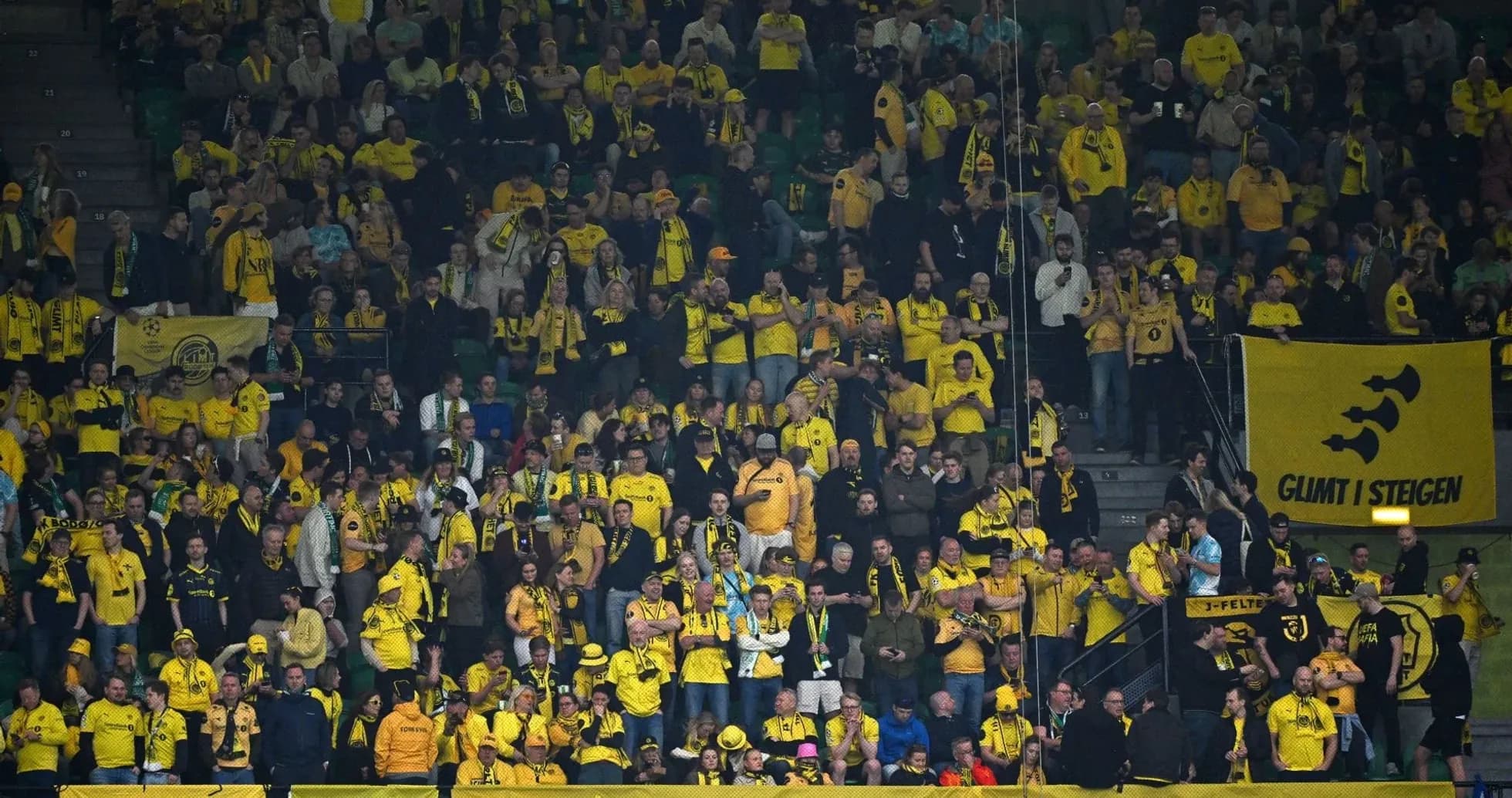
The floodlights of Aspmyra Stadion will cut through the August dusk on 11 August 2026, as Bodo/Glimt welcome Union St. Gilloise for a decisive UEFA Champions League 3rd Qualifying Round second leg. After a wild 3-3 draw in Belgium, everything is on the line in Norway: a place in the play-off round, the financial boost that comes with it, and the prestige of staying on the Champions League path for both ambitious clubs.
Season Context
Bodo/Glimt arrive with a curious early European profile: one match played in this Champions League campaign, no wins, one draw, no defeats, with 3 goals scored and 3 conceded across that single away fixture. The numbers underline a team that can hurt opponents going forward (3.0 goals per game) but also leaves space at the back (3.0 conceded per game), turning every contest into a shootout.
Union St. Gilloise mirror that story almost exactly. In their Champions League run so far they have also played 1 match, drawn 1, with 3 goals scored and 3 conceded. Their home leg in Oostende showcased both their attacking potential (3 goals) and their defensive vulnerability (3 conceded), suggesting that this tie is finely balanced and likely to be decided by small details rather than a structural gap in quality.
Form & Momentum
Both sides come into the second leg officially on a run of draws in this competition, with their form line marked simply as “D” for each team. For Bodo/Glimt, that single draw came with a statement of attacking intent: 3 goals scored away from home in one match, but offset by 3 conceded in the same game (3.0 for and 3.0 against per match). It paints the picture of a fearless, front-foot side that accepts defensive risk to create chances.
Union St. Gilloise’s recent European form is identical in raw numbers: one draw, 3 goals scored and 3 conceded in their only outing so far. Their ability to trade blows with Bodo/Glimt in a 3-3 thriller underlines their offensive threat (3.0 goals per game) but also hints at fragility without the ball (3.0 conceded per game). Momentum, then, is less about results and more about mindset: both teams have proof they can score freely against this opponent, but neither has yet shown they can control the tie defensively.
Head-to-Head Patterns
The recent history between these clubs is short but telling, and it leans towards tight, high-stakes battles. Most recently, the first leg of this tie finished 3-3 in Oostende, with Union St. Gilloise and Bodo/Glimt trading blows in a six-goal contest (3-3, UEFA Champions League, season 2026, August 2026). That result set the tone for a second leg where away goals no longer apply, but psychological edges do.
Go back to 3 October 2024 and the sides met in Brussels in continental competition, playing out a cagey stalemate rather than a goal fest. On that night at Stade Roi Baudouin, the scoreboard stayed untouched in a tight European duel (0-0, UEFA Europa League, season 2024, October 2024). With those two matches on record, the pattern is clear: when these teams meet, the tie remains alive going into the closing stages, whether through goals or through tension.
Across both contests, one in the Champions League qualifiers and one in the Europa League league stage, neither club has managed to pull away decisively. The narrative is of finely balanced encounters where the margin between success and failure is a single moment of composure or a single defensive lapse.
Tactical Preview
Bodo/Glimt’s European profile so far suggests a bold, attacking structure. Their preferred shape in this Champions League campaign has been a 4-3-3, used in their only match to date. That system typically allows them to flood the final third with wide forwards and advanced midfield runners, a setup that helped produce 3 goals in one away game. However, conceding 3 in the same match highlights the risk inherent in pushing full-backs high and committing numbers forward.
With players like P. Berg and U. Saltnes available in midfield, Bodo/Glimt can build through technically capable central players who link the lines and support the front three. Wide attackers such as J. Hauge and O. Brynhildsen offer direct running and finishing threat, ideal for exploiting transitions, especially on home turf at Aspmyra Stadion where they are likely to press aggressively and play at high tempo.
Union St. Gilloise, by contrast, lean towards a more flexible, hybrid structure. Their go-to system in this Champions League campaign has been a 3-4-1-2, used in their single match so far. That back three is designed to provide stability while the wing-backs push high, giving width and allowing a creative player in the “1” line, such as A. Ait El Hadj or A. Zorgane, to operate between the lines behind two strikers.
The 3-4-1-2 can create overloads in central areas, which helped them score 3 times in the first leg, but it also leaves space in the channels if wing-backs are caught high, contributing to the 3 goals conceded in that same match. Defensively, Union St. Gilloise will need sharper coordination in their back three and better protection from central midfielders like R. Schoofs to avoid being stretched by Bodo/Glimt’s wide forwards.
Discipline could also play a role. Bodo/Glimt picked up their yellow cards in concentrated spells in their opening match, while Union St. Gilloise spread bookings more evenly across the 90 minutes. In a finely poised second leg, a mistimed challenge or a second yellow could tilt the tactical balance decisively.
Statistical Snapshot
- Competition: UEFA Champions League, season 2026 — 11 August 2026.
- Venue: Aspmyra Stadion, null.
- Prediction: No clear model favourite — No predictions available.
- Win Probabilities: Home 33% / Draw 33% / Away 33%.
- Model: Bodo/Glimt 50.0 — Union St. Gilloise 50.0.
Betting Verdict
The market leans towards a Bodo/Glimt home win, with bookmakers generally pricing them between roughly 1.60 and 1.79, implying an approximate probability band of around 56% to 63% for the hosts. Draw odds sit in the 4.10 to 5.06 range (around 20% to 24%), while an away win for Union St. Gilloise is typically offered between about 3.65 and 4.20 (roughly 24% to 27%). Given the perfectly balanced head-to-head record in terms of results and goals, plus identical early Champions League stats (both teams at 3 goals for and 3 against from 1 match), the analytical case points more towards goals than a clear match winner. With both sides showing attacking quality and defensive frailty in a 3-3 first leg, value may lie in goal-related markets rather than picking a side, while acknowledging that home advantage and market prices tilt the edge slightly towards Bodo/Glimt in this decisive second leg.