
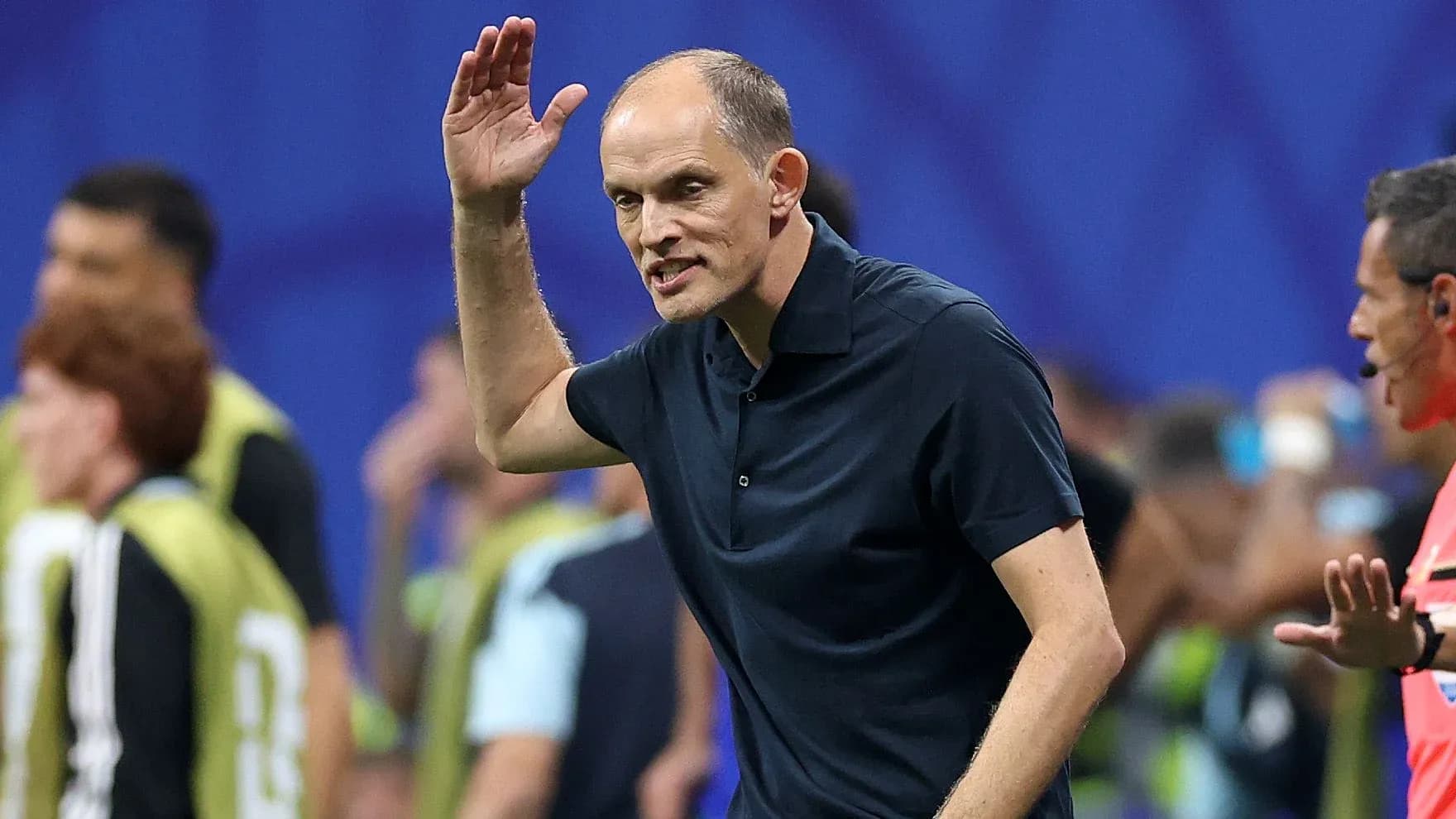
John Barnes Defends Tuchel After England's World Cup Semi-Final Defeat
England’s wait for a World Cup final goes on. A 1-0 lead, 20 minutes from history, dissolved into a 2-1 semi-final defeat to Argentina – and with it, another familiar inquest into what went wrong.
Barnes backs Tuchel after late collapse
Enzo Fernandez and Lautaro Martinez turned the game on its head late on, dragging Argentina into the final and leaving England to sift through the wreckage of another near miss. The immediate reaction from several former England internationals was predictable: Thomas Tuchel was too cautious, too conservative, too slow to twist when the game tilted.
Barnes sees it very differently.
For him, the plan was clear and, crucially, correct. England, he argued, were never going to dominate the ball or outplay Argentina over 90 minutes. This was about game management, not swagger. Protecting what they had, not chasing what they didn’t need.
“We were 1-0 up in a tournament where we’re never going to dominate possession against, or outplay, anyone,” Barnes told Betfred. That line cuts to the heart of his defence. At 1-0 up in a World Cup semi-final, he insists, the onus is not on the leading side to throw on more attackers just to satisfy the demand for front-foot football.
The logic is cold, but hard to argue with: change it, concede, and the same critics would be asking why Tuchel gambled.
Expectations vs reality
Barnes did not just defend the in-game decisions; he went after the wider narrative around this England side. The noise, the hype, the assumption that anything short of a final is failure.
For him, the world rankings tell a more honest story.
England sit fourth. On that basis, he says, a finish of third or fourth is not underachievement, but par. A reflection of where this group actually is, not where the country wants them to be. “We’re number four in the world, so we should finish third or fourth, which is where we’re going to be. I don’t know why we expected anything different,” he said.
It is a blunt assessment, but it strips away the emotion that usually clouds these post-mortems. In Barnes’ eyes, this tournament has played out in line with England’s true standing. Not a failure. Not a collapse of a golden generation. Just the reality of elite tournament football.
The Tuchel template
At the centre of it all stands Tuchel, a coach with a clear and unmistakable identity. Barnes, far from joining the chorus of criticism, leaned into that clarity.
“When you have a manager like Thomas Tuchel, you know what you’re going to get,” he said. Pragmatism. Discipline. Resilience. A side built to be strong rather than spectacular, to grind rather than dazzle.
England, under Tuchel, are not set up to outplay teams like Argentina. They are built to outlast them, to lean on structure, organisation and physical strength. In the semi-final, they executed that plan for long stretches. They got in front. They held their shape. They forced Argentina to chase.
Then came the late surge, the quality of Fernandez and Martinez, and the brutal swing that defines so many World Cup knockouts. To Barnes, that twist does not invalidate the approach.
“Against Argentina we went 1-0 and every decision Thomas Tuchel made was the right decision. He responded to what was going on in front of him.” It is a rare, full-throated defence of a manager after a high-profile defeat, and it goes against the grain of the usual post-game autopsy.
The questions around this England side will not stop because John Barnes says they should. But his stance draws a hard line: if this is who England are, and this is where they sit in the world order, is it really the manager’s pragmatism that needs to change – or the nation’s expectations?



