
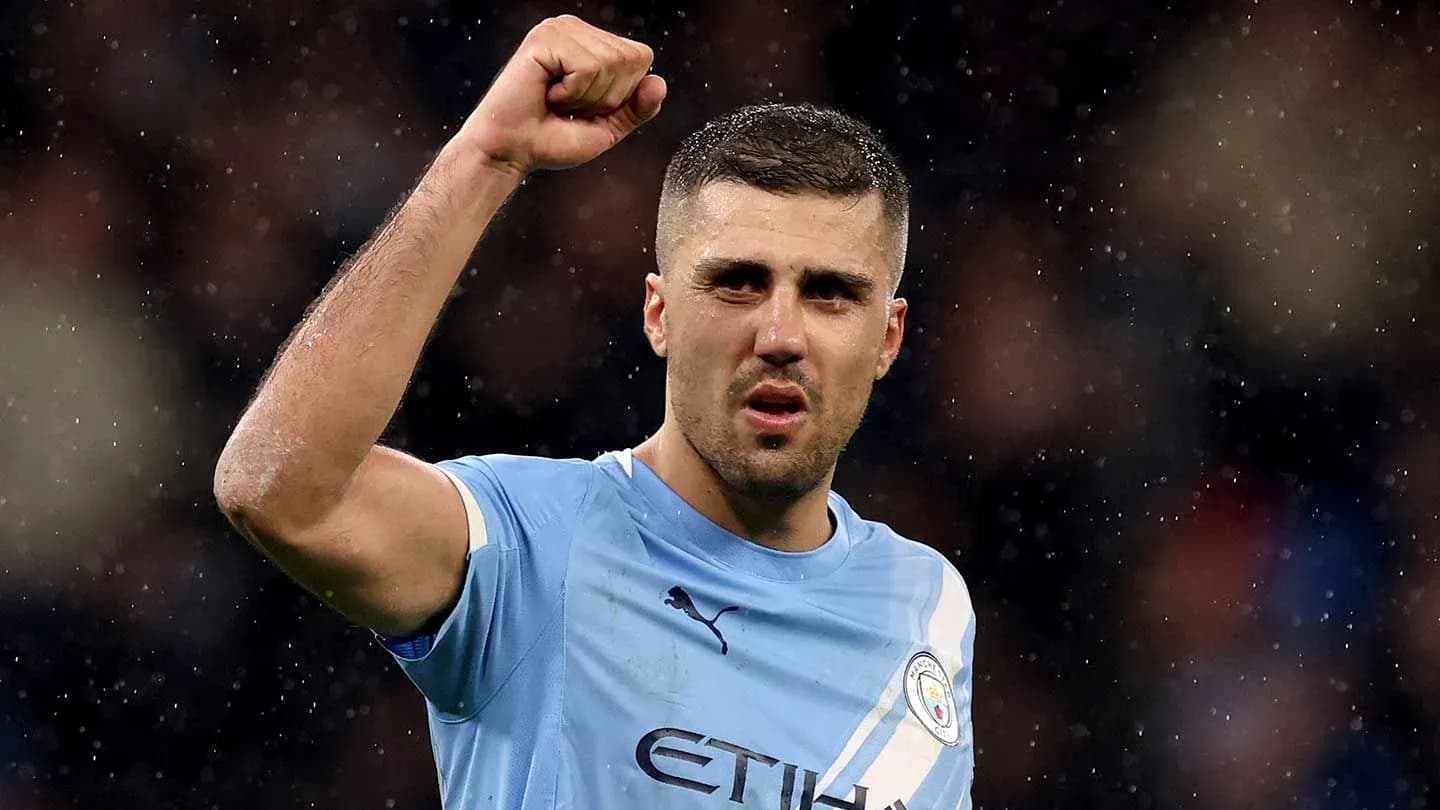
Barcelona's Rodri Gambit: City Rejects €50 Million Bid
Manchester City have slapped away Barcelona’s first attempt to prise Rodri out of the Etihad, and they did it without blinking.
According to multiple reports, including Sky Sports and Fabrizio Romano, Barça opened the bidding with a package worth €50 million – €45 million up front and €5 million in bonuses. City, runners-up in the Premier League last season and in no mood to weaken their core, rejected it immediately on Friday morning.
No hesitation. No counter. Just a hard no.
A €50m Offer for a €80m Midfield General
From City’s side, the stance is clear. That €50 million proposal doesn’t come close to their valuation. Reports suggest the English club will only even consider “concrete negotiations” if a bid in the region of €80 million lands on their desk.
They hold the leverage. Rodri is under contract until 2027. He is the heartbeat of their midfield, a metronome who has become central to everything they do. Letting him go would mean ripping out a key piece of Pep Guardiola’s structure, and that kind of surgery doesn’t come cheap.
Barcelona know it. They also know they don’t have the financial freedom to simply throw money at the problem.
So the Catalans are stuck in that familiar modern Barça equation: if they really want Rodri, someone else probably has to go.
Madrid Courted, Then Rejected
The transfer battle has another twist. Before Barcelona stepped to the front of the queue, Real Madrid believed they had a genuine shot.
Rodri’s adviser, Pablo Barquero, revealed to Cadena Ser that the midfielder turned down a move to the Spanish record champions. His description of Real’s efforts painted a picture of a club that went all in.
“The offer was really good. We appreciated the professionalism, the class, the respect and the way Real Madrid conducted the negotiations. Real Madrid were seriously interested in signing Rodri and did everything to win him over. From the president to the managing director, everyone worked to make Rodri's move to Real Madrid possible,” Barquero said.
The talks, he added, had gone “positively”. Then came the sting: the Spanish world and European champion had “decided in favour of another offer”. Barquero did not name the club, but multiple reports point in one direction – towards Camp Nou.
By Thursday, Marca were already reporting that Rodri had given his word to Barcelona’s hierarchy, committing to a move in this transfer window under new coach Hansi Flick. For Real, the mood shifted quickly from optimism to disillusionment.
They had chased him for weeks. They had sensed an opening as Rodri showed no inclination to extend his stay with City. For the English club, that made a sale this summer at least a realistic scenario. For Madrid, it raised hopes that they could install the Spain captain as the long-term anchor of their midfield.
Instead, the signals from Rodri’s camp started to point elsewhere.
Why Camp Nou, Not the Bernabéu?
The choice between Spain’s two giants rarely comes down to money alone. Style, role, and dressing-room chemistry matter.
Barcelona’s footballing identity appears to have worked in their favour. Flick’s side is being built around possession, control, and long spells on the ball – the kind of environment in which Rodri typically thrives. He would arrive as the natural organiser in the middle, the man to set the tempo and dictate games.
Real Madrid, even under new coach Jose Mourinho, are expected at times to lean heavily on transitions, power, and vertical attacks. It is not that Rodri could not adapt; he is too intelligent and too complete for that. But the Barcelona project, on paper, looks more aligned with his natural game.
There is also the human element. At Barça, Rodri would walk into a dressing room filled with familiar faces – several team-mates with whom he lifted the World Cup this summer. That kind of instant chemistry is hard to replicate. At Real, he would not have the same cluster of international colleagues around him.
In Madrid, that reality has started to bite. They pushed, they waited, they hoped. The more they listened, the clearer it became: Rodri preferred Camp Nou to the Bernabéu.
Barça’s Need, City’s Power
For Barcelona, the sporting need is obvious. Frenkie de Jong faces a longer spell on the sidelines with a knee injury, leaving a hole in central midfield. Flick requires a reliable organiser at the base of his system, someone who can both shield the defence and initiate attacks.
Rodri fits that profile almost perfectly. He is not a luxury signing; he is a structural one.
But admiration doesn’t pay transfer fees. And this is where the operation becomes complicated.
Barcelona’s financial constraints are no secret. Reports already indicate they will have to move players out to create room for Rodri – both in terms of transfer budget and wage bill. They have identified their top midfield target, secured his preference according to multiple outlets, and now face the hardest part: convincing Manchester City to sell.
Right now, City are holding the strongest cards. A long contract. A key player. A clear valuation. A rejected bid.
Barcelona have made their move. Real Madrid have been left on the outside. The next question is simple, and brutal: can the Catalans actually afford to turn Rodri’s apparent “yes” into a deal City will accept?



