Bafana Bafana's Goalless Stalemate Against Nicaragua: A Warning Shot
South Africa wanted rhythm. They needed reassurance. What they got was a jolt.
On a chilly afternoon at Orlando Amstel Arena, Bafana Bafana dominated the ball, carved out chance after chance, and still walked away with a 0-0 draw against a Nicaragua side that will be watching the 2026 World Cup from home. For a team days away from facing Mexico, Czechia and South Korea on the biggest stage, this was not the dress rehearsal they had in mind.
All South Africa, No Finish
From the opening whistle, the pattern was clear. Nicaragua dropped deep, retreated into their own third and dared South Africa to break them down. Ricardo Goss and, later, Sipho Chaine might as well have bought a ticket to watch from the stands; the danger was almost entirely at the other end.
South Africa’s first-half threat came from the right. Thabang Matuludi pushed high, Kamogelo Sebelebele buzzed around him, and the visitors struggled to live with the pace and movement in wide areas. On 16 minutes, Sebelebele burned his marker and whipped in a teasing cross, only for captain Themba Zwane to fail to guide it on target. It set the tone.
Set pieces came and went. A promising free-kick position was wasted when Toremi launched his effort into the sky. Another clever move caught Nicaragua’s back line flat, but a desperate last-ditch adjustment from the defense smothered Sebelebele just as he looked set to pounce. South Africa had the tempo, the territory, the athletic edge. The scoreboard refused to move.
Nicaragua’s response was sporadic. Jonathan Moncada and Raheem Cole tried their luck from distance, both efforts sailing harmlessly high or wide. A Moncada header drifted past the post from a free kick. They were half-chances at best, reminders that the Pinoleros were still present, if not particularly threatening.
The Miss That Changed the Mood
Then came the flashpoint. Three minutes before the interval, Sebelebele went down in the box. The referee pointed to the spot, Nicaragua protested furiously, and the replay left more questions than answers. It looked like a soft call, a tumble more than a foul.
The “soccer gods,” as the live commentary put it, delivered their verdict.
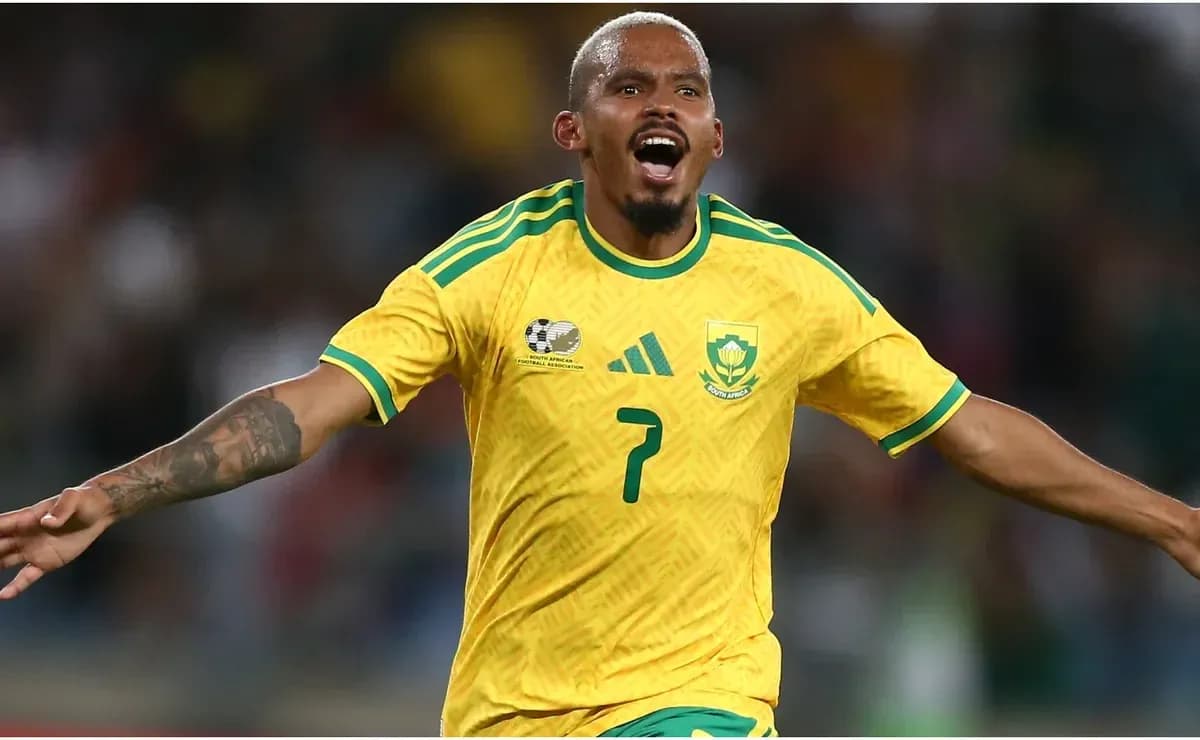
Lyle Foster stepped up, stuttered through a dubious run-up and slammed his penalty off the post. The ball ricocheted away, the chance gone, and with it a huge opportunity to calm the nerves heading into the break. South African faces told the story as they walked off at half-time: frustration, disbelief, and a nagging sense that this should already have been over.
They had been the better side, quicker, stronger, more inventive. But they had nothing to show for it.
Appollis Sparks, Pineda Stands Tall
The second half brought changes and, briefly, a different energy. Coach Hugo Broos rang the changes at the interval: Goss, Sebelebele, Moremi, Foster, Zwane and others made way as Oswin Appollis, Thapelo Maseko, Iqraam Rayners, Relebohile Mofokeng and Chaine entered the fray.
Appollis immediately lit up the right flank. In seven minutes he did what South Africa had struggled to produce in the first 45: direct dribbling, sharp acceleration, and purpose. Twice he combined quickly to carve out shooting opportunities, twice Adonis Pineda read the danger and smothered the efforts.
The Nicaraguan goalkeeper had already taken a heavy knock in the first half when Matuludi clattered into him challenging for a cross. He got up, dusted himself off, and then proceeded to deliver the performance of the afternoon.
Maseko cut inside and unleashed a dangerous effort. Pineda got down to save. A deflected shot looped awkwardly, threatening to sneak over him; he adjusted, backpedaled, and claimed it. South Africa kept coming, but every half-opening seemed to end with the same image: Pineda either catching, parrying, or calmly gathering.
Then came the defining sequence. With the game entering its final stretch, the pressure finally told and South Africa forced a scramble in the box. A deflected header looked destined for the net. Pineda reacted, produced a superb stop, then sprang up to deny the rebound as well. A double save, and with it, the belief grew on the Nicaraguan bench that this might just be their day.
Lethargy, Desperation, and a Historic Result
As the minutes ticked away, the match slipped into a gray zone. South Africa’s passing slowed. The crisp combinations that had opened space on the flanks in the first hour gave way to predictable patterns and hopeful crosses. Mofokeng dragged a shot wide from outside the box. Another effort skidded past the post. The volume of chances remained high; the quality of finishing did not.
Nicaragua, for their part, rarely threatened on the counter. They offered almost nothing going forward, but they did not need to. Their job was clear: stay compact, clear their lines, trust their goalkeeper. They executed that plan with discipline and stubbornness.
Six minutes of stoppage time felt like a final exam for both sides. South Africa pushed, almost frantically, for the goal that would spare them an awkward inquest. Nicaragua dug in deeper, every block and clearance greeted like a winner.
The whistle finally went. 0-0. Groans from the stands, arms aloft in Nicaraguan celebration.
For Nicaragua, this was more than a friendly. This was a rare clean sheet on foreign soil against a World Cup-bound opponent, a historic result for a team that often gets swept aside on the international stage. A solid defensive display, a heroic night from Pineda, and a small but meaningful marker that they can organize, compete, and frustrate.
For South Africa, it was something very different.
World Cup Looms, Questions Remain
The positives are obvious but hollow: dominance of possession, waves of attacks, a clear physical superiority. They created enough to win this game comfortably. They showed depth, with substitutes like Appollis and Maseko injecting life into the second half.
Yet the concerns are sharper. A missed penalty. Repeated wastefulness in front of goal. A lack of composure in the final third. A sense that when the first chance goes begging, the doubt creeps in and refuses to leave.
In a few days, the stakes will be far higher. Mexico, Czechia and South Korea will not sit as deep as Nicaragua did, but they will punish any bluntness in attack and any mental fragility when big moments arrive.
South Africa reached this stage looking for rhythm and confidence. After ninety goalless minutes and one stubborn Nicaraguan goalkeeper, they leave with something else: a reminder that at a World Cup, dominance without a cutting edge is just another way to go home early.