Austin II Dominates Colorado Rapids II in MLS Next Pro Clash
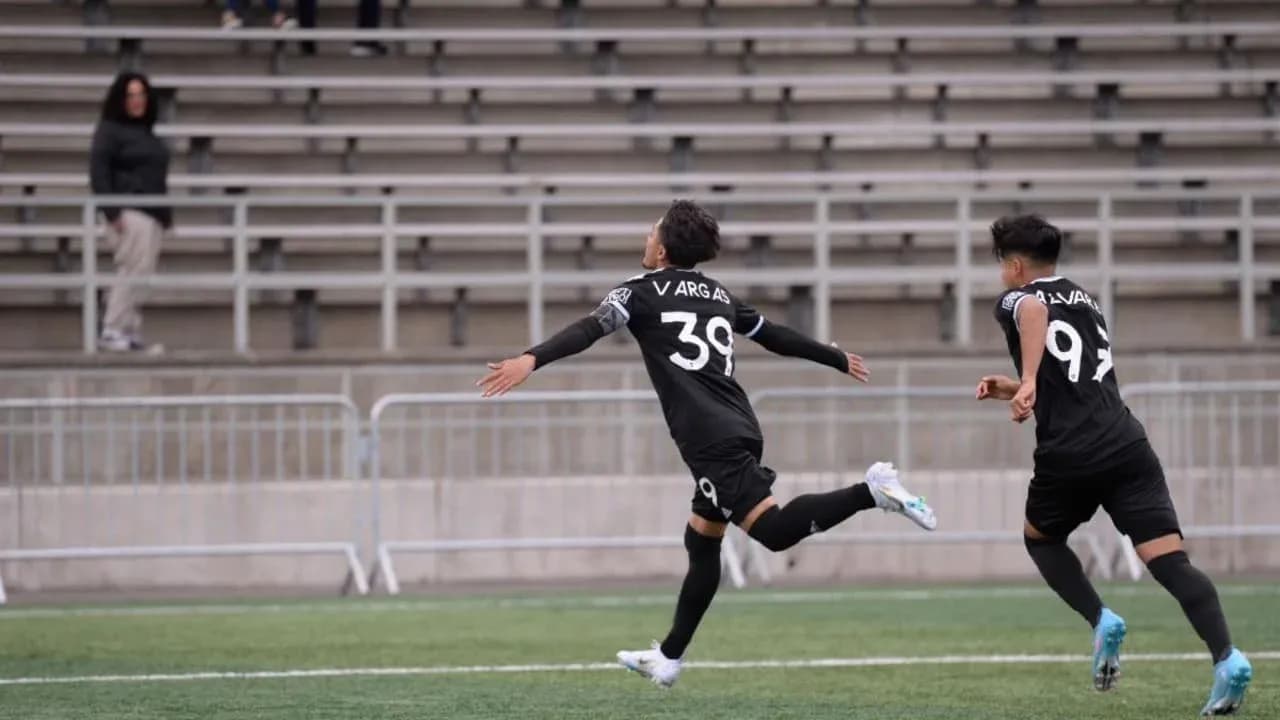
The lights at CIBER Field had barely cooled when the story of this Group Stage clash in MLS Next Pro was already clear: a ruthless, road‑hardened Austin II side walking away with a 2–0 win, and a Colorado Rapids II team left searching for answers in a season that keeps slipping away.
I. The Big Picture
Following this result, the contrast between these two campaigns could hardly be sharper. Colorado Rapids II remain rooted in trouble. Across the season in total they have played 10 matches, losing all 10. Overall they have scored 10 goals and conceded 27, an overall goal difference of -17 that underlines just how fragile they are in both boxes. At home, they have played 6 times, lost all 6, scoring 6 and conceding 17; the home averages of 1.0 goal scored and 2.8 conceded tell of a side that can occasionally threaten but is consistently overrun.
Austin II, by contrast, are building a profile of a serious contender. In total they have played 9 matches, winning 6 and losing 3, with 16 goals scored and 10 conceded for an overall goal difference of +6. On their travels, they are perfect: 4 away games, 4 wins, 6 goals scored and just 1 conceded, an away defensive average of 0.3 goals against that speaks of control, structure, and concentration.
This fixture, though technically “just” another Group Stage date, felt like a crossroads. Colorado’s form line of “LLLLLLLLLL” in total had already set the tone; Austin II arrived with “LLWWLWWWW”, a run that hinted at momentum and tactical clarity. The 2–0 away win simply confirmed what the numbers had been whispering.
II. Tactical Voids and Discipline
The lineups offered a glimpse into the respective identities. Erik Bushey sent out a young, developmental Colorado Rapids II XI: K. Starks, J. De Coteau, C. Harper, K. Sawadogo, J. Chan Tack, B. Jamison, L. Strohmeyer, S. Wathuta, J. Cameron, C. Aquino, and M. Diop. It is a group with energy and potential, but the season’s statistics reveal recurring structural gaps.
Heading into this game, Colorado had failed to keep a single clean sheet in total, and had failed to score in 2 matches overall. Their biggest defeats – 1–4 at home and 3–1 away – hinted at a side that often opens up when chasing games. The defensive numbers back that up: overall they concede 2.7 goals per match, with 2.8 at home. The lack of a settled defensive spine or clear formation in the data only amplifies the sense of tactical instability.
Discipline has been another hidden tax on Colorado’s performances. Their yellow-card distribution shows a worrying concentration in the 31–45’ window, where 28.00% of their cautions arrive, and a further 24.00% between 61–75’. Red cards are evenly spread: 25.00% each in the 16–30’, 31–45’, 46–60’, and 61–75’ ranges. That pattern suggests a team that loses emotional control at key transition phases of each half, often when fatigue and frustration start to bite. Even without specific match card data here, the season profile makes clear that Bushey’s side are frequently playing on the edge – and sometimes over it.
Austin II’s absences are not documented, but their squad selection – E. Lauta, R. Thomas, E. Watt, J. Bery, D. Dobruna, D. Abarca, K. Hot, D. Barro, S. Dobrijevic, I. Sall, and J. Alastuey – speaks to balance. There is a clear defensive block in Thomas, Watt, Bery, and Dobruna, a midfield engine in Barro and Hot, and creative thrust through Dobrijevic, Sall, and Alastuey.
Disciplinarily, Austin II are more controlled but still combative. Their yellow cards are spread more evenly, with 20.00% between 46–60’ and 16.00% in both the 16–30’ and 31–45’ windows. Crucially, their only red card this season has come late, with 100.00% of reds shown in the 76–90’ range. That late-game flashpoint suggests a side that pushes intensity right to the line in closing phases but, for the most part, manages risk better than Colorado.
III. Key Matchups: Hunter vs Shield, Engine Room
Without explicit top scorers listed, the “Hunter vs Shield” duel in this context becomes Austin II’s collective attacking pattern against Colorado’s porous defensive block. Austin’s away attack averages 1.8 goals per match on their travels, while Colorado’s home defense concedes 2.8. That 1.0‑goal gap in expectation tilted the matchup heavily towards the visitors even before a ball was kicked.
In practice, Austin II’s front unit – with Alastuey as a technical hub and Sall and Dobrijevic offering movement and width – were always likely to test a Colorado back line that has never found stability. The Rapids II defense, anchored by figures like De Coteau, Harper, Sawadogo, and Chan Tack, has conceded 17 times at home in 6 games; the inability to protect central spaces and deal with rotations between lines has been a season-long theme.
The “Engine Room” battle pitted Colorado’s midfield trio of Jamison, Strohmeyer, and Wathuta against Austin’s Barro and Hot. Austin’s season data – 16 goals for and only 10 against overall – hints at a midfield that protects the back four while still supplying the front line. Colorado, by contrast, have never found the balance between shielding their defense and progressing the ball. The result on the night was predictable: Austin II’s midfield dictated tempo, controlled second balls, and ensured that their back line was rarely exposed in open-field transitions.
IV. Statistical Prognosis and Tactical Verdict
Even without explicit xG figures, the season metrics allow a clear projection of how this game was likely shaped. Heading into this game, Austin II’s away profile – 4 wins from 4, 6 scored and 1 conceded – suggested a side that generates enough chances to score 1–2 goals while suffocating the opposition’s shot quality. Colorado’s home pattern – 6 losses from 6, 6 scored and 17 conceded – pointed towards an xG landscape in which they concede significantly more high-quality chances than they create.
The 2–0 scoreline fits that statistical arc. Austin II’s defensive solidity, especially away, is not just about deep defending; it is about control. With 3 away clean sheets from 4 matches and only 1 goal conceded on their travels, they compress space, manage transitions, and limit the volume of shots they allow. Colorado, forced to chase the game after falling behind, likely opened the very channels Austin II’s attackers thrive in.
Following this result, the trajectories diverge further. Colorado Rapids II remain winless in total, their goal difference worsening, their form line lengthening into a worrying narrative. The tactical preview for their next outings is grim unless Bushey can tighten the defensive block and impose more structure in midfield.
Austin II, meanwhile, consolidate their reputation as one of MLS Next Pro’s most dangerous travelers. Their blend of disciplined defending, controlled aggression in the card data, and a reliable 1.8 goals per game away from home makes them a side built for knockout‑style pressure, even if this was “only” a Group Stage clash. The numbers say they are not just winning; they are winning in a way that should translate when the margins get thinner and the stakes get higher.