Atlético Ottawa Claims Narrow 1–0 Victory Over HFX Wanderers
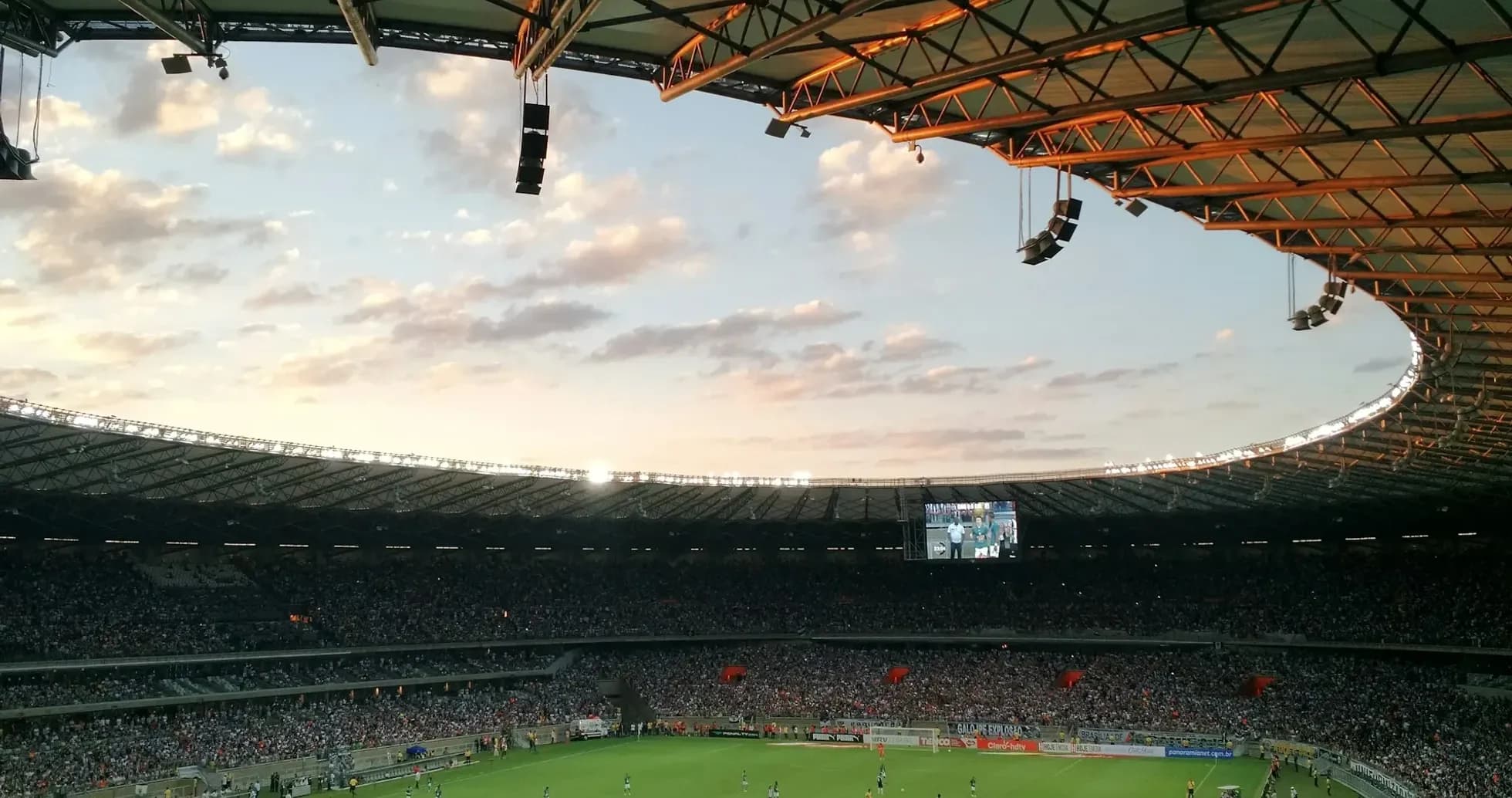
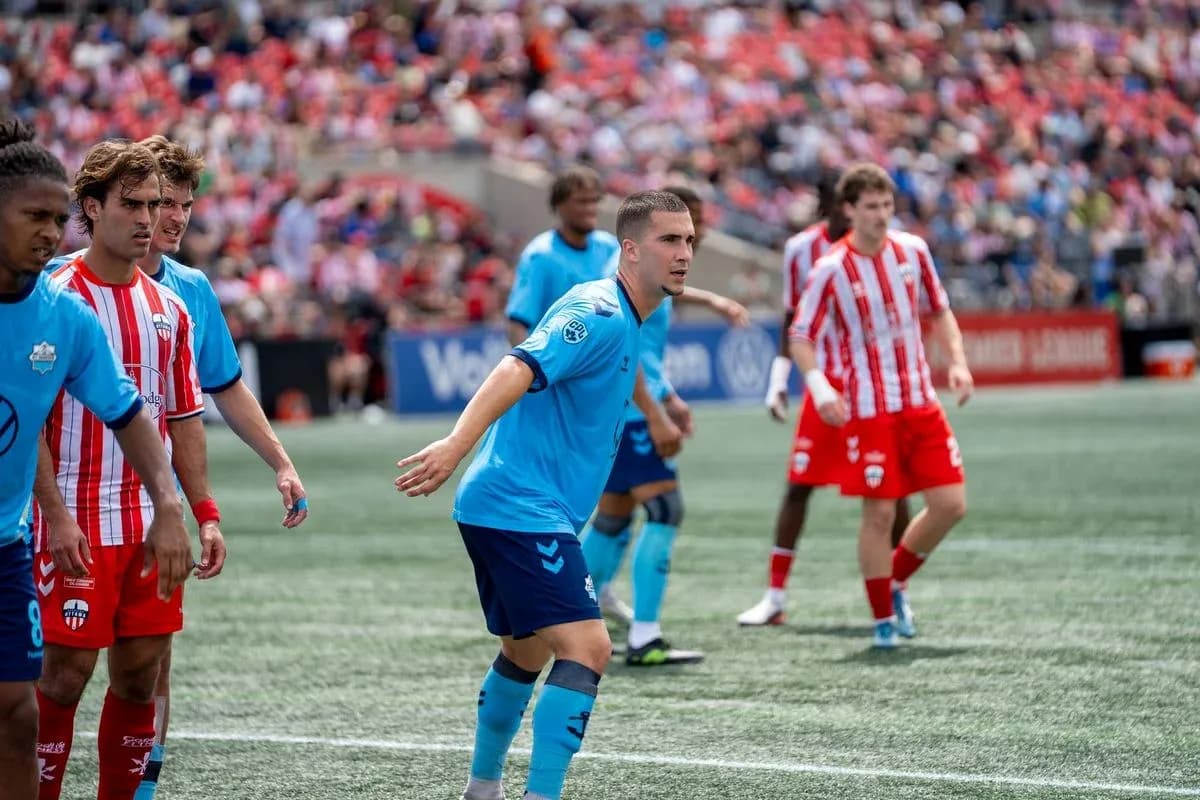
Under the lights at Wanderers Grounds, this Group Stage meeting in the Canadian Premier League finished as a narrow, nervy 1–0 away win for Atlético Ottawa. Following this result, the table tells a story of contrast: HFX Wanderers FC sit 5th with 26 points and a goal difference of -4 from 24 matches (35 scored, 39 conceded), while Ottawa consolidate 3rd place on 37 points, also with a goal difference of -4 from the same 24 games (35 for, 39 against). Two sides with identical overall scoring profiles, separated by their ability to manage moments.
I. The Big Picture – Structures and Seasonal DNA
HFX Wanderers leaned into their most trusted shape, a 4-3-3 that has been their primary system this season (used 10 times). The back four of Jefferson Alphonse, T. Meilleur-Giguère, F. Linder and Kareem Sow protected goalkeeper M. Carducci, with Lorenzo Callegari anchoring midfield alongside L. Olguin and S. Zitman. Up front, Miguel Arilla and J. Bahamboula flanked top scorer Isaiah Johnston.
Overall this campaign, Wanderers have been a mid-table paradox: on their travels and at home combined they average 1.5 goals scored and 1.6 conceded per match. At home specifically, they score 1.6 and concede 1.6, a perfectly symmetrical but unstable platform. Their goals are spread, but there is a clear rhythm: 21.21% of their total goals arrive between 31–45 minutes, another 21.21% between 46–60, and a further 21.21% in the 76–90 window. They are a team of surges rather than steady pressure.
Atlético Ottawa, by contrast, arrived with a 4-2-3-1, one of several shapes they have used this season but a natural fit for their current personnel. C. Kalongo started in goal behind a youthful but technically clean back line of T. Arnaud, J. Dunn-Johnson, Sergei Kozlovskiy and Joaquim Coulanges. The double pivot of D. Gutiérrez and Manuel Aparicio sat under an attacking band of K. Habibullah, Ballou Tabla and Emiliano García, all servicing central forward N. Fleuriau Chateau.
Ottawa’s seasonal profile is that of a high-variance contender. Overall they also average 1.5 goals scored and 1.6 conceded per match. At home they are strong (1.8 scored, 1.3 conceded), but on their travels they become far more chaotic: 1.2 scored and 2.0 conceded away. Their attacking identity is late and ruthless: 36.11% of their total goals come in the 76–90 minute range, the single most extreme late-game spike in this matchup.
II. Tactical Voids and Discipline
With no formal list of absentees, both coaches essentially had full decks, which made the selection choices revealing. Vanni Sartini’s decision to start Arilla and Bahamboula either side of Johnston spoke to a desire for direct running and one‑v‑one threat, trusting Callegari to control tempo and progression from deep.
Gustavo Leal’s use of both Tabla and García behind Fleuriau Chateau tilted Ottawa’s 4-2-3-1 towards an aggressive 4-2-4 in transition. With Aparicio and Gutiérrez tasked with balancing the side, Ottawa accepted risk between the lines in exchange for pace and dribbling on the break.
Discipline was always going to matter. Heading into this game, Wanderers had collected a heavy share of their yellow cards late: 34.78% of their bookings came between 76–90 minutes, another 10.87% in stoppage time. Ottawa mirrored that edge, with 33.96% of their yellows in the 76–90 window and 16.98% again in added time. This was a fixture primed to become ragged in the closing stages.
Individually, Kozlovskiy’s 7 yellow cards in just 570 minutes highlighted a young defender playing on the edge. On the other side, Johnston, Callegari and M. Godinho all entered the night with 6 yellows each, underlining the combative core of HFX’s midfield. Tavio Ciccarelli’s previous dismissal also meant any late attacking cameo from him would come with disciplinary risk.
III. Key Matchups – Hunter vs Shield, Engine Room
The headline duel was always going to be “Hunter vs Shield”: Isaiah Johnston against Ottawa’s defensive unit. Johnston came into the fixture as Wanderers’ leading scorer with 9 goals and 1 assist in 24 appearances, converting 4 penalties from 4 attempts. His shot profile (31 attempts, 25 on target) and 40 dribbles attempted speak of a midfielder who attacks the box like a second striker.
Ottawa’s “shield” was collective rather than individual. On their travels they had conceded 24 goals in 12 away matches, an average of 2.0 per game, and were particularly vulnerable early and just after half-time: 21.05% of their goals conceded came in the 0–15 minute range, another 21.05% between 46–60, and 21.05% again between 61–75. That dovetailed dangerously with Wanderers’ own attacking peaks of 31–45, 46–60 and 76–90. On paper, HFX’s surges were perfectly aligned to punish Ottawa’s softest defensive windows.
In the “engine room”, the battle between Callegari and Aparicio was the tactical hinge. Callegari has been one of the league’s most complete midfielders: 1,212 completed passes at 87% accuracy, 23 key passes, 36 tackles, 4 blocked shots and 29 interceptions. He is both metronome and shield. Aparicio, though less spectacular statistically (711 passes at 83% accuracy, 26 tackles, 5 blocks, 19 interceptions), is Ottawa’s structural glue – the player who allows Tabla, Habibullah and García to stay high and wide.
Around them, the creative axes added nuance. For HFX, Arilla’s 4 assists and 17 key passes made him the natural outlet on the flank, combining with Johnston’s late box entries. For Ottawa, Tabla’s 6 goals and 1 assist, alongside Habibullah’s 3 assists and high passing accuracy, framed a left‑sided overload aimed at isolating Wanderers’ full-backs.
IV. Statistical Prognosis – Why 1–0 Felt Inevitable
Even without explicit xG numbers, the season data sketches a likely shot‑quality landscape. Both teams, overall, hover at 1.5 goals scored and 1.6 conceded per match. Yet Ottawa’s away profile – 1.2 scored, 2.0 conceded – usually signals open, high‑event games. The twist is their finishing and late‑game punch: 36.11% of their goals between 76–90, plus another 5.56% in 91–105, suggests that when matches are tight, they are more efficient in decisive moments.
HFX, conversely, have failed to score in 5 of their 24 matches overall, despite a solid home average of 1.6 goals. They are also clean-sheet capable (5 in total), but their defensive minute distribution shows a soft underbelly between 61–75 minutes, where 21.95% of their goals conceded occur. That specific vulnerability overlaps with Ottawa’s secondary attacking surge (22.22% of their goals in 61–75), creating a critical intersection where one lapse is often enough.
Layer on Ottawa’s penalty record – 4 awarded, only 2 scored, 2 missed – and you see a team that creates high‑value chances but does not always convert them. On this night, however, they did just enough, riding their compact 4-2-3-1 structure, the ball‑carrying of Tabla and García, and the industrious work of Fleuriau Chateau to find a single decisive moment.
Following this result, the narrative is clear: Wanderers remain a side whose surges rarely translate into control, while Atlético Ottawa, for all their away volatility, have learned how to win tight games. Statistically, the margins between them are thin. Tactically and mentally, Ottawa’s late‑game identity continues to be the difference.