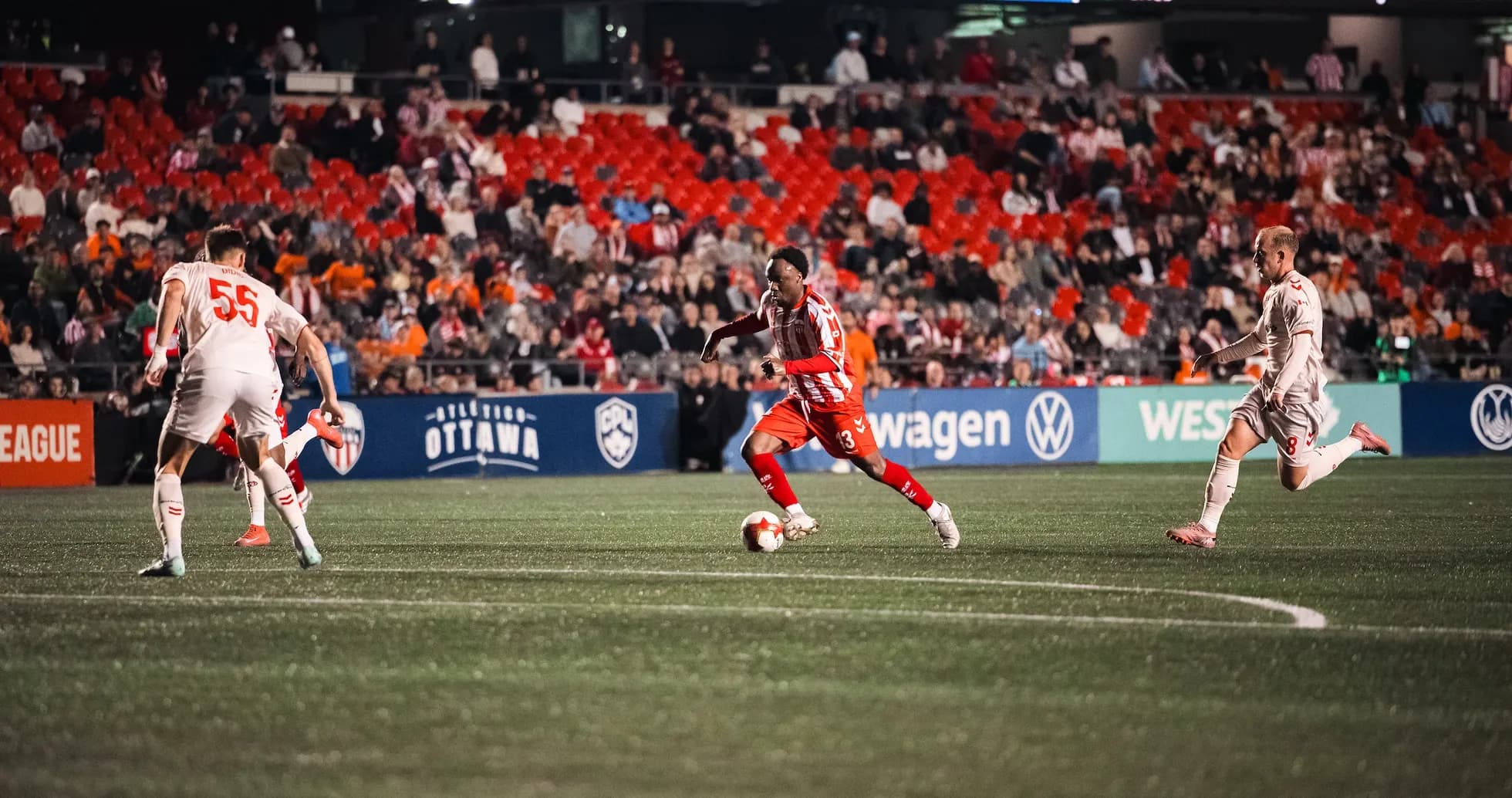
Atlético Ottawa Triumphs 3–2 Over Cavalry FC in Canadian Premier League Clash
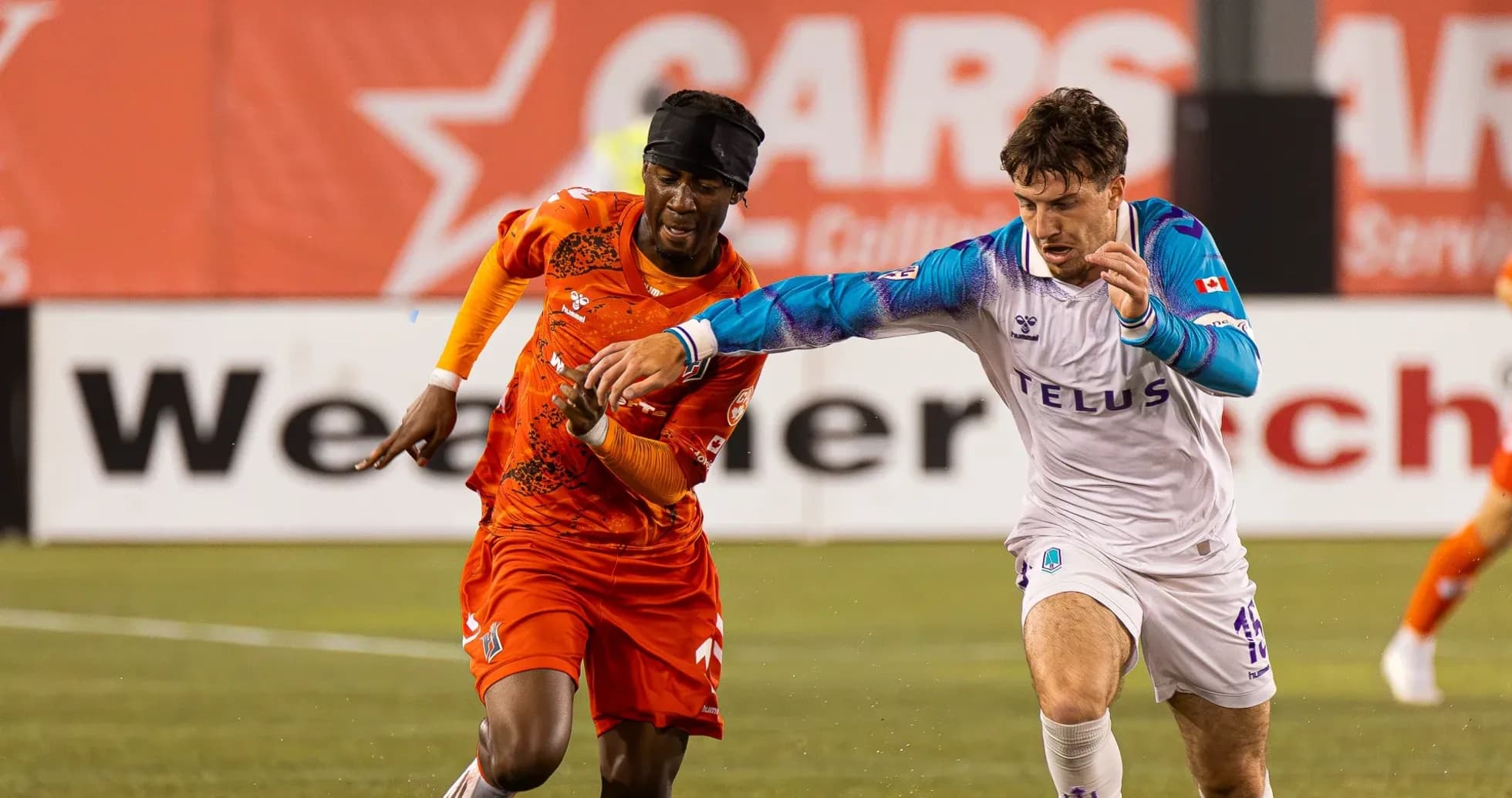
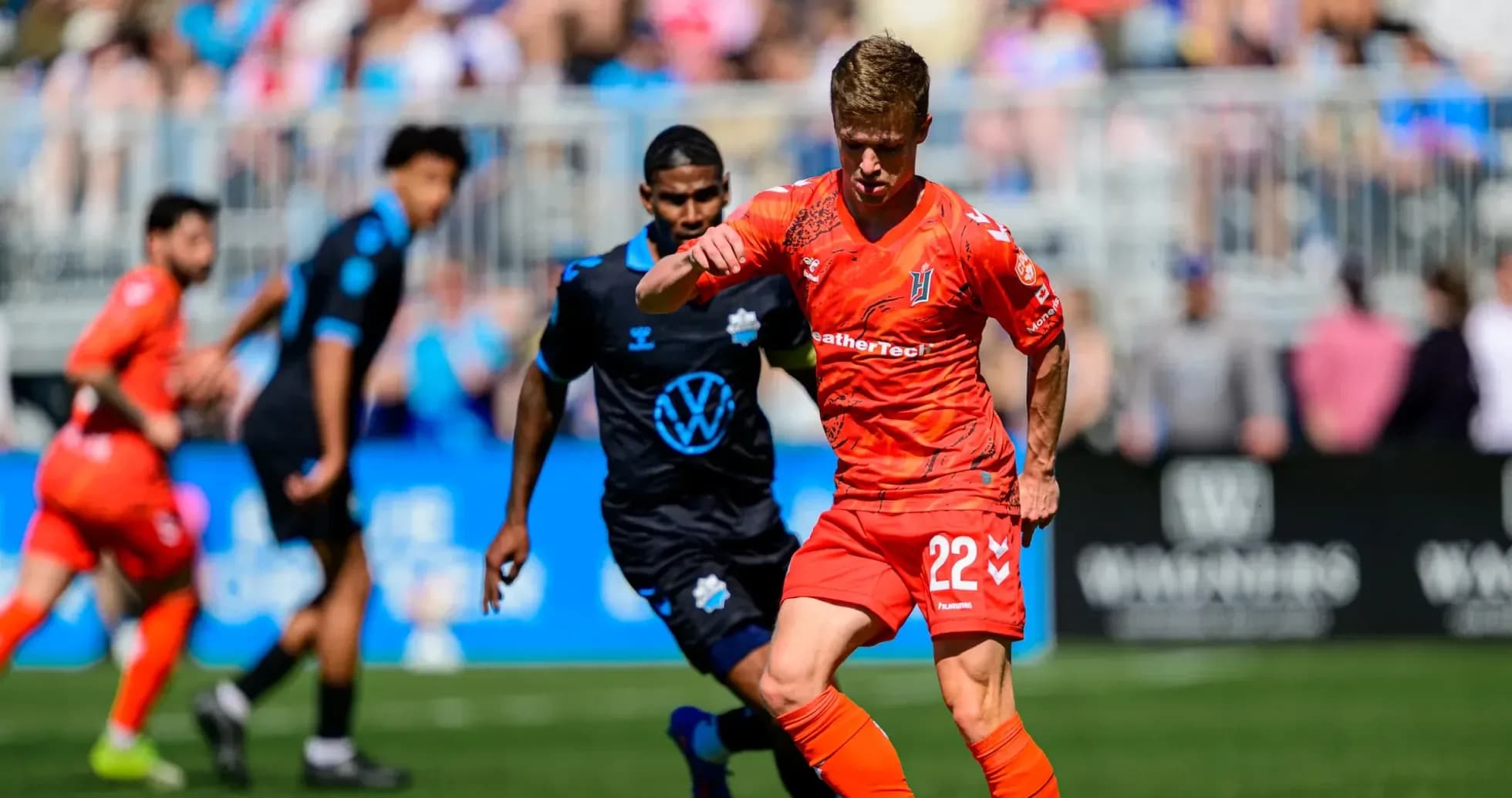
Under the Ottawa night sky at TD Place Stadium, this Group Stage clash in the Canadian Premier League finished 3–2 to Atlético Ottawa, a result that felt as much like a statement of identity as it did three points. The league leaders Cavalry FC arrived as the division’s benchmark side, first in the table with 53 points and a towering overall goal difference of +34 (50 scored, 16 conceded). Ottawa, third with 40 points and an overall goal difference of -3 (38 scored, 41 conceded), have been the league’s great contradiction: dangerous and chaotic, especially at home.
Both sides lined up in a mirrored 4-2-3-1, inviting a tactical chess match rather than a stylistic clash. For Ottawa, Gustavo Leal trusted a familiar spine: C. Kalongo in goal behind a back four of T. Arnaud, J. Dunn-Johnson, Sergei Kozlovskiy and Joaquim Coulanges. In front, the double pivot of M. Aparicio and D. Gutiérrez provided structure for a fluid band of three – E. García, B. Tabla and K. Habibullah – supporting lone striker N. Fleuriau Chateau.
Tommy Wheeldon Jr. answered with his own 4-2-3-1 for Cavalry: N. Ingham in goal; a defensive line of A. Pearlman, D. Klomp, A. Didic and B. Kamdem; the combative pairing of H. Paton and E. Kobza at the base of midfield; and an attacking quartet of N. Edwards, T. Warschewski and G. Ntignee behind centre-forward A. Musse.
Heading into this game, the broader statistical backdrop framed the contest starkly. On their travels, Cavalry averaged 1.7 goals for and only 0.8 against, with 7 away wins from 12. Ottawa at home were potent but porous: 1.8 goals scored and 1.3 conceded on average, with 8 wins from 13 but just 3 clean sheets. The league leaders’ defensive steel was supposed to smother Ottawa’s volatility. Instead, the match unfolded as a test of how long Cavalry’s structure could hold against Ottawa’s surging, late-game personality.
Ottawa’s season-long scoring profile foreshadowed the narrative. Overall, 33.33% of their goals arrive between 76–90 minutes, and another 23.08% between 61–75 – a team that grows into games and finishes with a flourish. Conversely, they concede heavily in the opening quarter-hour (22.50% of goals against), often leaving themselves work to do. Cavalry, by contrast, had been defined by control: just 16 goals conceded overall, a remarkably even defensive record home and away, and 10 clean sheets in total.
The lineups sharpened those trends into specific matchups. On Ottawa’s left, K. Habibullah and Joaquim Coulanges offered dribbling and underlapping runs, tasked with testing A. Pearlman and the right side of Cavalry’s block. Habibullah, with 3 assists and an 88% passing accuracy this season, is a subtle creator rather than a pure winger; his tendency to drift inside opened corridors for Coulanges to advance and for N. Fleuriau Chateau to attack the near post.
On the opposite flank, the “Hunter vs Shield” duel pitted Ottawa’s talisman B. Tabla against Cavalry’s central pairing of D. Klomp and A. Didic. Tabla came into the fixture as the league’s top-rated attacker in this dataset: 9 goals and 2 assists overall, 43 shots with 21 on target, and 48 dribbles attempted with 23 successful. He is not just a finisher but a volume threat who forces constant defensive decisions. Klomp and Didic, though, form arguably the league’s most complete centre-back duo. Klomp’s 900 completed passes at 89% accuracy and 7 successful blocks underline a defender comfortable defending space and box alike; Didic mirrors that with 872 passes at 89% accuracy, 6 blocks and 13 interceptions. Cavalry’s plan was clear: build from the back through those two, compress the middle third, and deny Tabla the isolation he thrives on.
In midfield, the “Engine Room” battle was ferocious. For Ottawa, M. Aparicio is the metronome and enforcer rolled into one: 1,209 completed passes at 84% accuracy, 41 tackles, 8 blocks and 25 interceptions this season. He is also walking a disciplinary tightrope with 6 yellow cards. Across from him, Cavalry deployed the rugged axis of H. Paton and E. Kobza. Paton, with 9 yellows and 29 fouls committed, is one of the league’s most aggressive midfielders, while Kobza adds both bite and progression (506 passes at 84% accuracy, 22 tackles, 14 interceptions). This trio defined the game’s rhythm: Aparicio seeking to push Ottawa higher, Paton and Kobza intent on breaking that flow, even at the risk of cards.
Wide for Cavalry, the creative burden fell on A. Musse and G. Ntignee, with T. Warschewski floating between lines. Musse arrived as one of the league’s premier playmakers with 4 assists, 22 key passes and 30 shots; Warschewski, with 7 goals and 3 assists plus 38 key passes, is both finisher and architect. Ntignee, meanwhile, is Cavalry’s chaos agent: 2 goals, 3 assists, 45 dribble attempts with 21 successful, but also 5 yellows and a red, plus 27 fouls committed. His presence guaranteed that Ottawa’s right side – particularly the young Sergei Kozlovskiy, already on 7 yellows this season – would be stretched physically and emotionally.
Discipline was always going to be a subplot. Ottawa’s season card map shows a pronounced late spike: 33.33% of their yellows come between 76–90 minutes, another 16.67% in added time. They are a team that finishes hard and sometimes ragged. Cavalry’s yellows peak between 46–60 minutes (25.45%), often as they reassert control after the break. Add in the red-card histories of G. Ntignee, G. Antinoro and T. Warschewski, and this fixture always had the potential to tilt on a disciplinary knife-edge.
Another hidden hinge lay at the penalty spot. Ottawa’s season record from twelve yards is precarious: 4 penalties taken overall, with only 2 scored and 2 missed – a 50.00% conversion rate that injects doubt into any spot-kick scenario. Cavalry, by contrast, are perfect from the spot so far, scoring all 4 of their penalties. In a match this tight, a single decision in the box could have swung everything toward the visitors; that it did not become decisive is partly testament to Ottawa’s ability to create from open play.
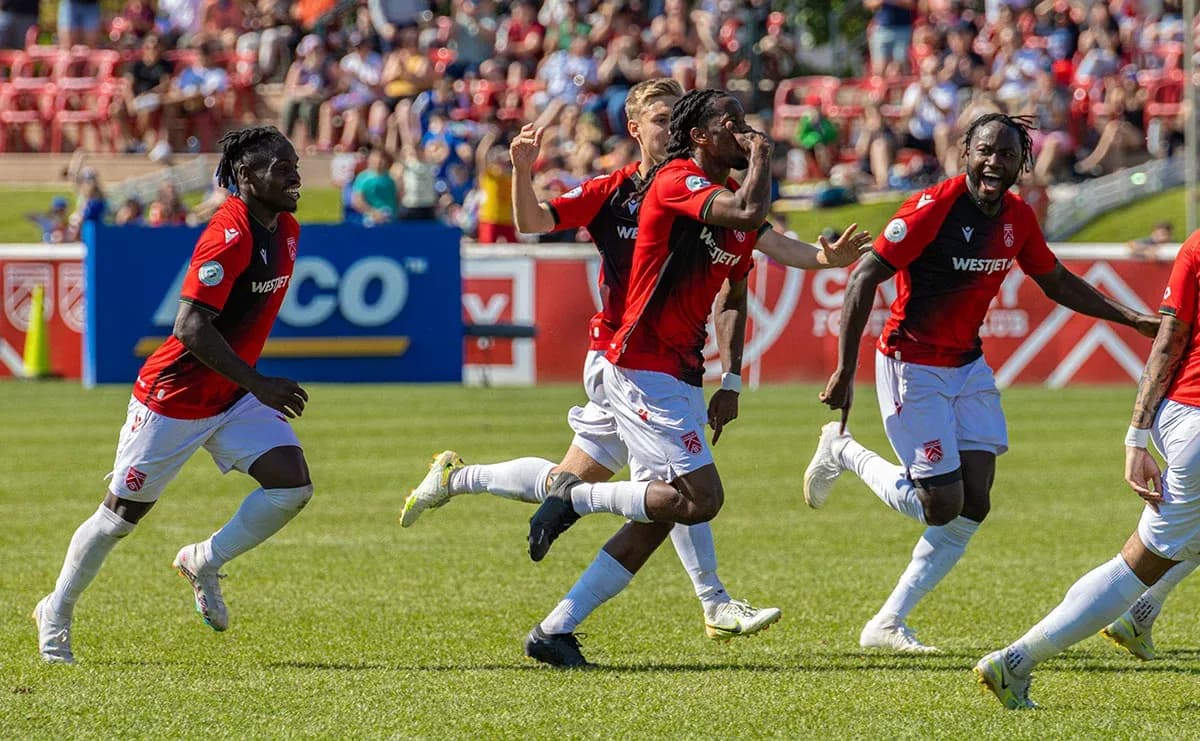
Statistically, Cavalry’s overall xG profile (implied by 2.1 goals per game scored and only 0.7 conceded) still paints them as the more sustainable machine across a season. But this 3–2 in Ottawa fits the hosts’ identity almost perfectly: concede early, grow into the contest, and unleash that late-game surge which defines their goal distribution between 61 and 90 minutes. The mirrored 4-2-3-1s did not cancel each other out; instead, they magnified individual duels – Tabla against Klomp and Didic, Aparicio against Paton and Kobza, Habibullah against Pearlman – and turned the evening into a test of who could bend their season-long tendencies without breaking them.
Following this result, Cavalry remain the league’s gold standard in structure and efficiency, but Atlético Ottawa have reinforced a different kind of warning: at TD Place Stadium, against a side that scores late and lives on the edge of chaos, no lead is ever safe.