Atalanta vs Bologna: Tactical Analysis and Season Trajectories
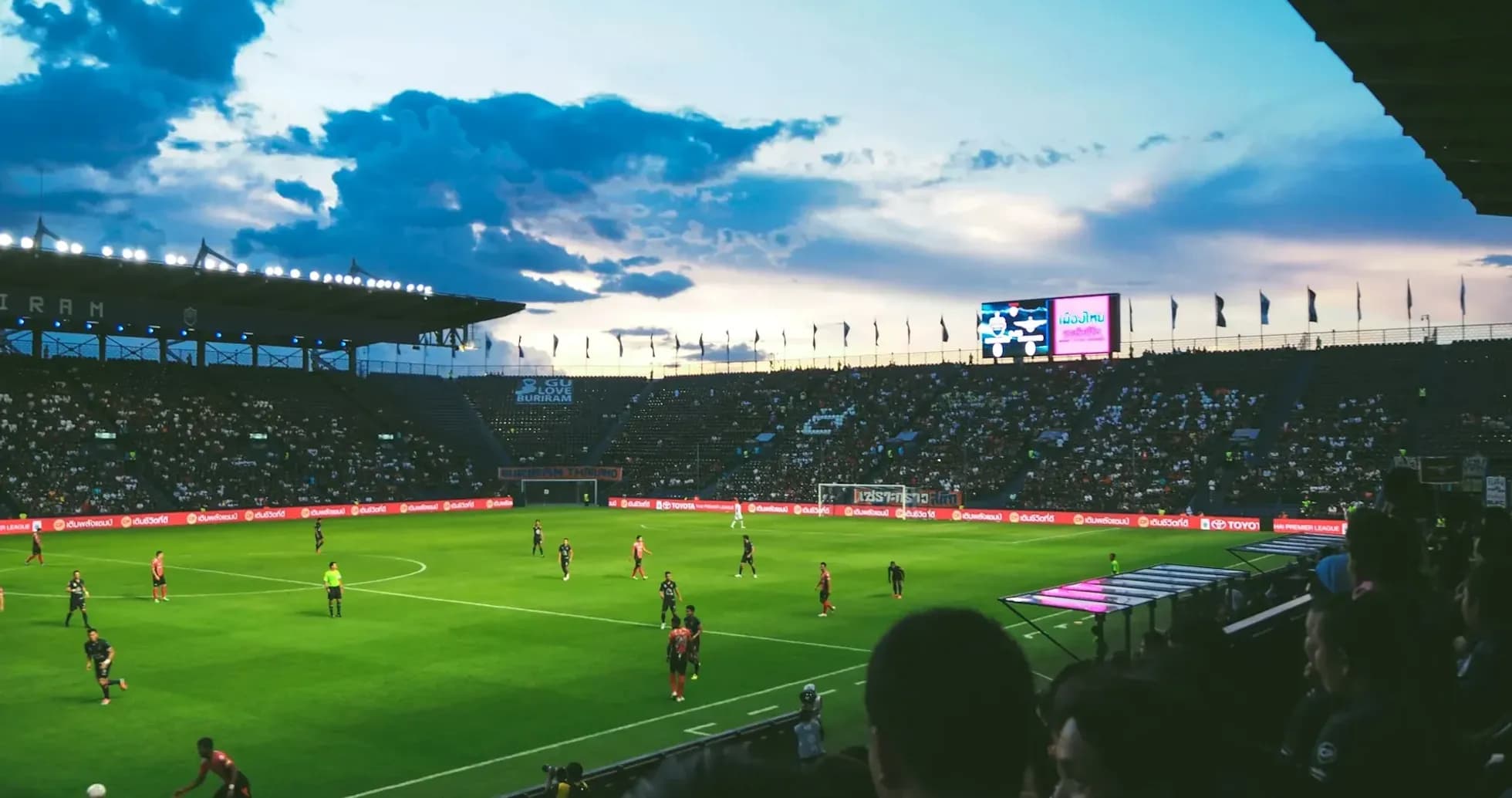
Under the Bergamo lights of New Balance Arena, this was a night that confirmed trajectories rather than altered them. Atalanta’s 1–0 home win over Bologna in Serie A’s Regular Season - 2 preserved a perfect start for Maurizio Sarri’s side and deepened the early-season unease for Domenico Tedesco.
I. The Big Picture – contrasting early-season identities
Heading into this game, the table already hinted at the story. Atalanta sat 5th with 6 points, a goal difference of +2 overall from 3 goals for and 1 against in 2 matches. All of that work had been done at home: 2 home games, 2 wins, 3 scored and 1 conceded. Bologna arrived 15th, point-less, with a goal difference of -2 overall from 0 goals scored and 2 conceded in 2 fixtures, split evenly between home and away (0-1 defeats in each).
The final scoreline – Atalanta 1, Bologna 0 – fit those profiles almost too neatly. Sarri’s side extended their Europa League-aspiring start with another controlled, narrow home victory. Tedesco’s Bologna left with a third straight game in which their attack failed to find any sort of rhythm, still stuck on 0 goals in total this campaign, with 1 conceded at home and 1 on their travels.
Atalanta’s season statistics reinforce the picture of a team comfortable in tight margins. At home they average 1.5 goals scored and 0.5 conceded, mirroring their overall averages. They have already posted 1 clean sheet in total and have yet to fail to score in a match. Bologna, by contrast, are living on the wrong side of fine details: they concede 1.0 goal on average at home and 1.0 away, 1.0 overall, while failing to score in both fixtures so far.
II. Tactical voids and absences – depth versus fragility
The squad sheets told parallel stories of resilience and strain. Atalanta were without four players: H. Ahanor and I. Hien (both muscle injuries), T. Kristensen (ankle injury) and K. Sulemana (knee injury). That is a full defensive rotation’s worth of absentees, yet Sarri still named a balanced 4-3-3 with M. Carnesecchi in goal behind a back four of D. Zappacosta, O. Kossounou, G. Scalvini and S. Kolasinac. The ability to absorb multiple defensive injuries and still present a coherent back line is itself a statement of squad depth.
In midfield, the trio of M. Pasalic, G. Gaetano and Ederson offered a blend of control and verticality, while the front three – C. De Ketelaere, G. Scamacca and G. Raspadori – gave Atalanta three different reference points between the lines, in the box and in the half-spaces.
Bologna’s list of absentees was shorter but more structurally damaging. O. El Azzouzi (thigh injury) and J. Rowe (inactive) reduced Tedesco’s options for energy and rotation in midfield and wide areas. The visitors still rolled out their preferred 4-2-3-1, with L. Skorupski in goal, a back four of E. Holm, E. Fauske Helland, T. Heggem and R. Alhassane, the double pivot of T. Pobega and L. Ferguson, and an attacking band of F. Bernardeschi, J. Odgaard and N. Cambiaghi behind R. Piccoli.
Disciplinary trends also framed the risk landscape. Atalanta’s yellow cards this season have come exclusively between minutes 61 and 75, with 100.00% of their cautions in that window, hinting at a side that ramps up aggression just after the hour mark. Bologna’s bookings are more evenly split: 50.00% between minutes 31 and 45, and 50.00% between 76 and 90, a pattern that suggests emotional spikes either side of the interval and in the closing stretch. Neither side has seen a red card in the league so far.
III. Key matchups – hunters, shields and the engine room
Sarri’s “hunter vs shield” equation is built around a multi-headed attack rather than a single talisman. The front three on the night were complemented by impact options from the bench. Among them, N. Krstovic stands out in the wider season context: in total this campaign he has 1 goal from 2 appearances, with 3 shots and 2 on target, plus 2 key passes and a willingness to commit fouls (2 so far) that keeps defenders uncomfortable. He also leads Atalanta in disciplinary stakes with 1 yellow card and, intriguingly, appears in the red-card leaderboard despite not having been sent off – a reminder that his edge is part of the club’s identity.
On the creative side, N. Zalewski is already one of Serie A’s leading assist providers. In total this campaign he has 1 assist, 45 completed passes at 91% accuracy and 3 key passes, as well as 4 interceptions and 5 duels won from 8. His profile embodies Sarri’s wing-oriented control: safe circulation, sharp final-third decisions and work without the ball. Even when he starts on the bench, his presence in the squad shapes how opponents must prepare for the last half-hour.
Bologna’s “shield” is collective rather than individual. Their defensive record – just 2 goals conceded in total, 1 at home and 1 away – is not disastrous. The structure of the 4-2-3-1, with Pobega and Ferguson screening the centre-backs, is designed to funnel play wide and protect the box. That worked for long spells in Bergamo, with Skorupski and his back four restricting Atalanta to a single breakthrough.
The real void lies at the other end. With 0 goals scored in total, 0 at home and 0 on their travels, Bologna’s “hunter” is still theoretical. R. Piccoli leads the line, supported by Bernardeschi, Odgaard and Cambiaghi, but the numbers show a side that reaches the final third without conviction. They have failed to score in both matches, and with no penalties awarded or missed, there has been no set-piece lifeline to mask open-play issues.
In the engine room, the duel between Atalanta’s interior trio and Bologna’s double pivot was decisive. Pasalic’s timing into the box, Gaetano’s passing angles and Ederson’s ability to break lines gave Atalanta consistent control between midfield and attack. Ferguson and Pobega worked tirelessly, but with Bologna’s attacking four struggling to pin Atalanta’s full-backs, the visitors were often forced into deeper positions, turning their 4-2-3-1 into a 4-5-1 out of possession.
IV. Statistical prognosis – where the numbers point next
Following this result, Atalanta’s overall record reads 2 wins from 2, 3 goals scored, 1 conceded, and a goal difference of +2. At home, they mirror that perfectly: 2 played, 2 wins, 3 for, 1 against. They have 1 clean sheet in total, have not missed a penalty and have yet to fail to score. Their recurring use of the 4-3-3 (2 league matches with this shape) and their ability to manage games with slim margins suggest a side whose underlying xG profile is likely positive but controlled, leaning on territorial dominance and chance quality rather than volume.
Bologna, meanwhile, have 2 losses from 2, 0 goals for and 2 against, with a goal difference of -2 overall. They have no clean sheets and have failed to score in both fixtures, home and away. Their commitment to the 4-2-3-1 (used in both league matches) has yielded defensive solidity but almost no attacking return. With no penalties taken, there is no evidence of high-variance events masking deeper trends; the data simply describes a team that keeps games tight and loses them 1-0.
Projecting forward, the statistical logic is clear. Atalanta’s home averages of 1.5 goals scored and 0.5 conceded, combined with their clean-sheet potential and a bench stocked with contributors like Samardzic (1 goal from 2 appearances, 7.3 average rating) and Krstovic, point to a season where they grind out results rather than blow opponents away. The key risk is discipline in that 61-75 minute window, where their only yellow card so far has appeared; against more clinical opposition, a mistimed challenge could tilt a tight match.
For Bologna, the immediate tactical task is unlocking the front four without compromising the defensive base that has kept every defeat narrow. Their concession pattern – 1 goal per match, no collapses – suggests a defensive xG against that is manageable. But until someone in that attacking unit starts to convert half-chances into goals, their season will remain a series of respectable, slender defeats.
In Bergamo, then, this fixture was less a twist in the plot than a confirmation of character. Atalanta, disciplined and deep, continue to look like a Europa League-level machine built on structure and timely moments. Bologna, organised but blunt, remain a side in search of a cutting edge to match their defensive discipline.