Aston Villa's Strategic Loan: Garnacho's Arrival and Financial Implications
Aston Villa know this script all too well.
Deadline day. A talented young attacker. A loan with strings attached. On paper, it looks shrewd. In reality, it can turn toxic.
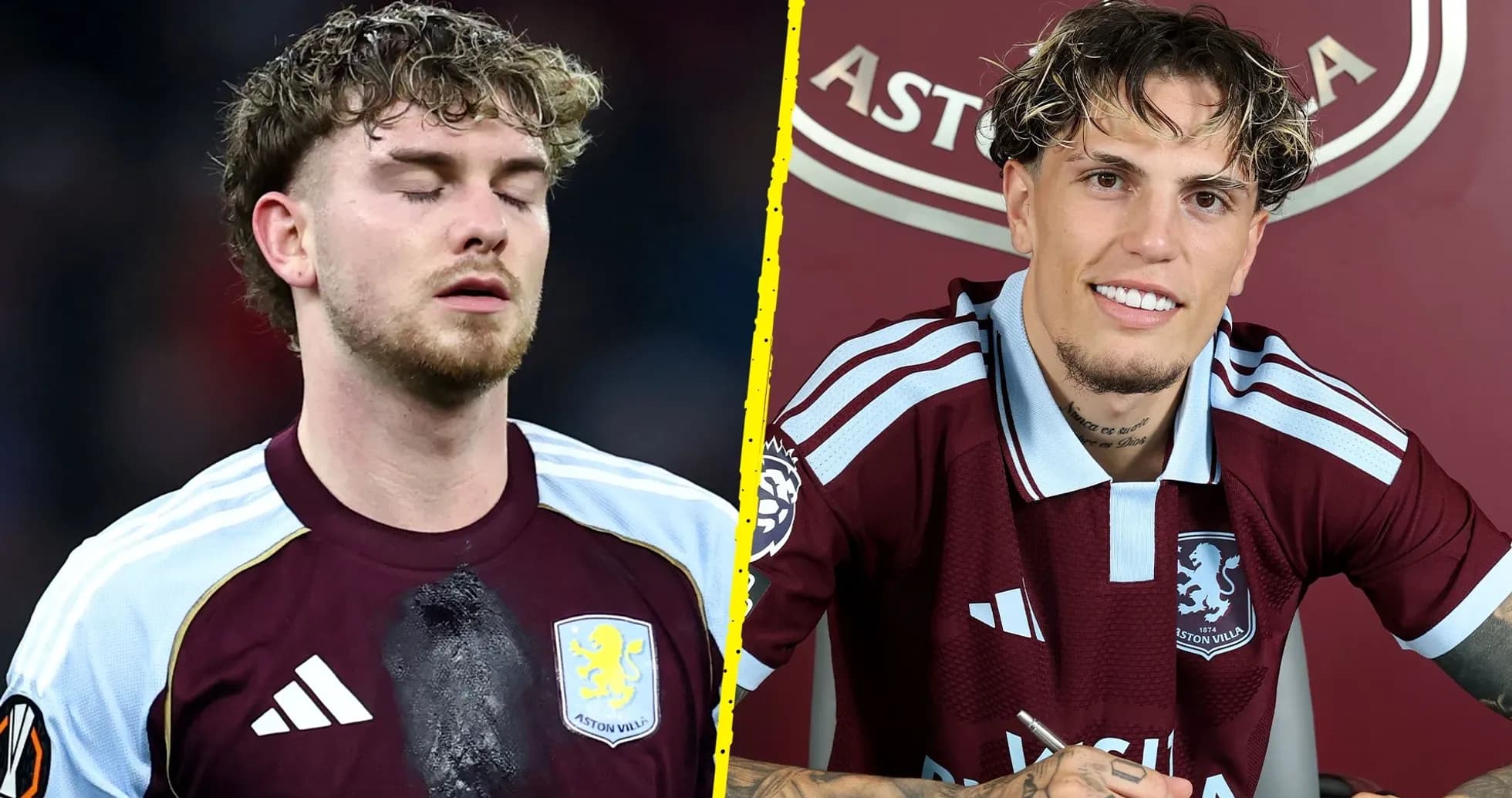
Last summer it was Harvey Elliott, plucked from Liverpool on a season-long deal with a conditional obligation to buy. Fresh from being named player of the tournament at the Euro Under-21s, he arrived as a headline signing and a quick fix for a thin squad. The numbers behind the deal looked manageable enough: 10 appearances and the transfer became permanent at £35million.
Unai Emery never let it get close.
Elliott’s Villa career barely flickered into life. He logged just 278 minutes across the entire campaign, his fate effectively sealed once the scale of that obligation became clear. Villa protected their balance sheet, but at the cost of a promising youngster’s momentum and a deal that left nobody truly satisfied.
Now, they are back in the same territory – but this time with a very different intention.
Garnacho arrives, and the stakes rise
Villa have moved for Chelsea winger Alejandro Garnacho on a season-long loan, again with a conditional obligation to buy. The exact trigger remains under wraps, but talkSPORT understands it is appearance-based and, crucially, easily achievable. The full package is worth around £43m.
This is not a punt. It is a commitment dressed up as a loan.
The timing is striking. Garnacho’s arrival was confirmed just two days after Morgan Rogers went the other way to Stamford Bridge for £117m, a fee that instantly made him the most expensive British player in history. For Villa, who signed Rogers from Middlesbrough for just £8m in January 2024, the sale delivered an enormous profit and a huge cushion against UEFA’s financial regulations.
Two big deals. The same two clubs. Completed within days.
No wonder eyebrows have been raised.
Walking the UEFA tightrope
Under UEFA’s transfer rules, multiple deals between the same clubs within a 45-day period are treated as a swap. That distinction matters. If the Rogers and Garnacho transfers were considered a de facto exchange, Villa would not be allowed to book the full £117m as clean profit. Instead, they would have to reduce that profit to the net difference between what they received for Rogers and what they effectively paid for Garnacho.
For a club carefully navigating Financial Fair Play, that is a serious hit.
So Villa have structured Garnacho’s move as a loan first, with the obligation to buy expected to kick in later. If those conditions are triggered outside UEFA’s 45-day window, Villa can keep the Rogers profit ring-fenced on their books and defer the impact of the Garnacho fee over the length of his eventual contract.
On talkSPORT’s Transfer Insiders, reporter Ben Jacobs laid bare how the arrangement exploits a gap in the new rules. He contrasted the situation with Elliott, where Villa simply chose not to trigger the obligation by freezing the player out.
“This deal is more about being financially creative under new UEFA FFP rules,” Jacobs said, explaining how separate but mirrored transfers were previously being used by clubs to give both sides a short-term accounting boost. UEFA responded by insisting that deals between the same clubs within 45 days be treated on a net basis, effectively as swaps.
But there is a wrinkle.
If one move is a straightforward sale – Rogers for £117m – and the other is a loan with a conditional obligation, the second deal does not have to be recognised as a permanent transfer immediately. Once that obligation is triggered beyond the 45-day mark, the transaction falls outside UEFA’s swap window.
Jacobs summed it up bluntly: Garnacho’s switch is “a permanent deal wrapped up in a loan with a conditional obligation to buy structure.” Everyone involved knows what this really is.
The ‘loophole’ – and the risk
UEFA’s regulations do offer a safeguard. If the conditions attached to an obligation are deemed “virtually certain” to be met, both clubs must treat the move as a permanent transfer from day one, not a loan. That would be a major problem for Villa, cutting into the clean profit they have just banked from Rogers.
To keep Garnacho classified as a loan initially, the fulfilment of the condition has to be something that cannot be assessed with sufficient certainty at the outset. In other words, there must be a plausible scenario in which the obligation is not triggered.
That is the line Villa and Chelsea are treading.
If UEFA decide the appearance targets are so low, or so obviously reachable, that they are effectively guaranteed, they could insist the deal be booked as permanent immediately. At that point, the accounting advantage Villa have carved out from the Rogers sale would shrink.
The club have found a gap in the rules. UEFA still hold the power to close it.
Jackson interest put on ice?
There is another consequence. With the 45-day window in play, Villa’s interest in Chelsea striker Nicolas Jackson is suddenly far more complicated.
Chelsea have offered Jackson to Villa, and Emery knows him well from their time together at Villarreal. On the pitch, the move makes sense. Off it, the numbers are suffocating.
A third significant deal between the same clubs in such a short space of time would drag everything deeper into UEFA’s netting calculations. Unless Villa offset that by making another major sale this window, they risk undermining the very financial headroom the Rogers deal has just created.
The likeliest outcome? Any serious move for Jackson may have to wait until January, when the clock has reset and the 45-day constraint has faded.
Villa have played the market hard this summer: a record-breaking sale out, a marquee winger in on a cleverly structured deal, and the governing body watching closely. The question now is not just how Garnacho will light up Emery’s attack – but how long Villa can keep dancing on the edge of UEFA’s rulebook without losing their footing.