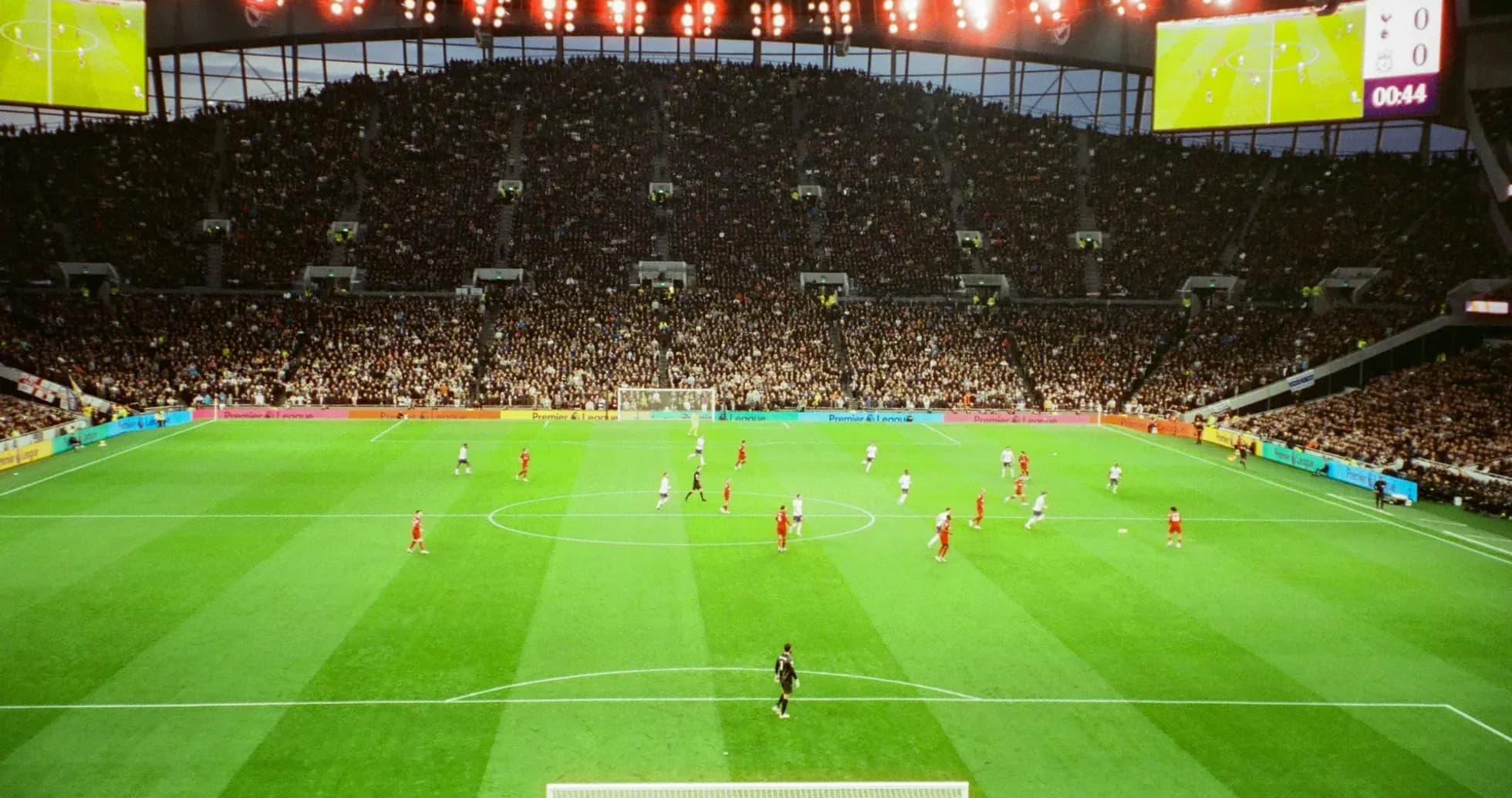
Arsenal's Tactical Victory Over Brighton at Amex Stadium
This was a classic case of sterile domination at the Amex Stadium. Brighton’s 60% possession and 470 total passes (82% completion from 385 accurate) show they controlled tempo, circulating from their 4-2-3-1 base through Pascal Groß and Carlos Baleba. Arsenal, with only 40% possession and 322 passes at 70% accuracy, accepted a more reactive role during this 2025/26 Premier League fixture. Crucially, Brighton’s control was not converted into penetration: their xG of 0.82 for 11 shots reflects mostly low-to-medium quality looks. Arsenal’s game plan revolved around an early advantage and then managing space, turning the match into a controlled defensive exercise.
Offensive Mechanics & xG Analysis
Brighton out-shot Arsenal 11–7, with a 3–2 edge in shots on target and a slight xG advantage (0.82 vs 0.47). Yet the numbers underline Arsenal’s clinical execution and Brighton’s lack of incision. Brighton’s 6 shots inside the box suggest they did reach advanced areas, but the modest xG indicates these were often under pressure. The 5 Brighton shots that were blocked show Arsenal’s back line and midfield pivot (Declan Rice, Martín Zubimendi) consistently making interventions around the edge of the box.
Arsenal produced 6 of their 7 shots from inside the area, but with only 2 on target and 0.47 xG, they focused on selective, transitional attacks rather than volume. Brighton’s 4 corners versus Arsenal’s 3 reflect some territorial pressure, but set pieces never translated into a high shot count or spike in xG, suggesting Arsenal defended dead balls cleanly and Brighton lacked the delivery to destabilise the visitors' box.
Defensive Intensity & Game Management
The foul count (14 for Brighton, 12 for Arsenal) points to a physically balanced contest, but the card profile reveals Brighton’s growing frustration. Brighton picked up four yellow cards in total: Diego Gómez was booked on 52 minutes, before a late flurry saw Olivier Boscagli (80'), Ferdi Kadioğlu (82'), and Yasin Ayari (90+4') all cautioned. Arsenal, by contrast, received just one booking (Cristhian Mosquera on 11 minutes), then defended with greater discipline.
Goalkeeper involvement underlines the efficiency of the defensive blocks: Raya needed to make only 2 saves from Brighton’s 3 shots on target, while Bart Verbruggen was called into action just once from Arsenal’s 2 shots on target. Arsenal’s tactical adjustments were also calculated; Kai Havertz, Leandro Trossard, and Riccardo Calafiori were introduced between 59 and 64 minutes, with Christian Nørgaard coming on at 80 minutes to replace Martín Zubimendi, reinforcing the structure for the final phase.
Conclusion
Ultimately, Arsenal’s compact 4-2-3-1, clinical use of an early chance, and disciplined low-to-mid block outperformed Brighton’s high-possession but low-impact attacking. Brighton’s territorial control and shot volume never translated into high-quality chances, while Arsenal managed space, time, and discipline to see out a controlled 1–0 away win.