Arsenal's Pursuit of a Left Winger After Vinicius Jr.
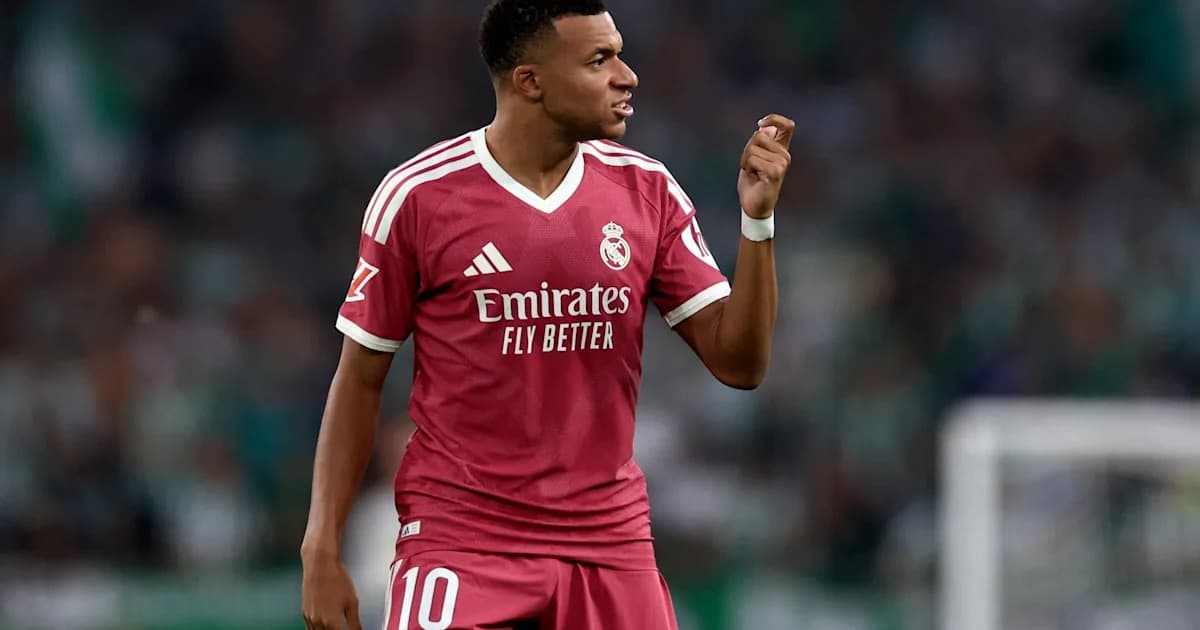
Arsenal’s Vinicius Jr. dream is over. The question now is how they turn a brief flirtation with a Galáctico into something more concrete on the left flank.
For a few days, the fantasy felt oddly plausible. Contract talks between Vinicius and Real Madrid stalled, his deal ticking towards its final year, and the idea of the Brazilian lighting up The Emirates stopped being pure message-board fiction and started to look like a genuine opening. If Madrid blinked, Arsenal were ready to pounce.
Madrid did not blink. The new contract arrived, the door slammed shut, and with Julian Alvarez also expected to remain in Spain, the Gunners are back where they started: a contender short of a top-tier left winger.
A thin flank and a pressing need
Mikel Arteta’s squad is light on that side. Leandro Trossard, excellent at the 2026 World Cup and a valuable rotational piece in North London, has gone to Besiktas. That leaves Gabriel Martinelli, new signing Christos Tzolis and, at a stretch, Eberechi Eze as options on the left.
On paper, it sounds manageable. In reality, it’s fragile.
Martinelli is coming off a poor season, his form dipping just as Arsenal needed his incision and aggression. Tzolis, for all his promise, looks more like a No. 10 who can drift wide than a natural touchline winger. Eze can operate there but is not a specialist. For a side with title ambitions, that is a gamble.
So where do Arsenal turn after Vinicius? Three names stand out, each offering a very different kind of solution.
Bradley Barcola: the big swing
If Arsenal were prepared to commit the kind of money it would take to lure Vinicius from Madrid, they have already shown their stomach for a blockbuster move. Bradley Barcola would be exactly that.
At 23, the PSG winger is three years younger than Vinicius and comes with a statistical profile that jumps off the page. His numbers in Ligue 1 are eye-catching, and he has backed them up with strong displays in the Champions League, where the margin for error is far slimmer and the scrutiny far harsher.
Yes, the French league is a step down from the Premier League in intensity and depth, but Barcola has shown he can handle a higher level. The issue is not talent. It’s price and opportunity.
Barcola currently sits behind Desire Doue in the pecking order at PSG and is exploring an exit. That alone should alert Arsenal. Players of this calibre do not often reach the market at 23. To get him, though, they would need to at least match Liverpool’s reported €115 million offer.
That is Vinicius money. It would be a statement of intent and a test of how badly Arsenal want a ready-made, high-ceiling winger rather than another project.
Rafael Leao: a reclamation job with upside
Rafael Leao represents a very different proposition: a player who has already climbed to the top of the European game, then lost his footing.
Now 27, the AC Milan forward has seen his productivity erode over the past few seasons. His game has become more individual, his connection with team-mates frayed. The dribbles that once defined him have dried up. Last season in Serie A, his successful dribbles fell to under one per game, the lowest mark of his career.
This is not the Leao who terrorised full-backs and dragged Milan forward almost single-handedly. But that version of the player still exists in the memory, and that is where the intrigue lies.
With his contract entering its final two years, Milan may be forced to listen to offers. For Arsenal, that opens the door to a potential cut-price deal on a player who, at his best, is one of Europe’s most devastating wide forwards.
It would be a risk. Arteta would be taking on a restoration project, attempting to rebuild confidence, structure his game and reconnect him with a team framework. Yet if he succeeds, Arsenal would have secured a peak-age star for a fraction of the Vinicius fee.
The question is simple: do Arsenal back their manager’s ability to recover a career that has stalled?
Ibrahim Mbaye: the long view
If the club prefers to look ahead rather than sideways, Ibrahim Mbaye offers a different route.
The 18-year-old PSG winger has already attracted serious attention, with Liverpool linked to a move worth around €50 million. That deal is not close to completion, and the door remains open for a hijack.
Mbaye is not a fantasy name pulled from an academy list. He made an impact in his substitute appearances last season, used mostly on the right but comfortable on either flank. His cameos showed an attacker who can carry the ball, threaten defenders and adapt to different roles in the front line.
For Arsenal, he would not be the instant, nailed-on starter that Barcola promises to be, nor the proven match-winner Leao once was. He would be a bet on the future, a player who could contribute now in rotation while being moulded into a long-term solution.
If the club is willing to accept short-term growing pains for long-term gain, Mbaye fits the brief: high ceiling, positional flexibility, and a price that reflects potential rather than a fully formed superstar.
Temptations to resist
Several other names have floated around Arsenal’s orbit, but the fit is far less convincing.
Julian Alvarez, for one, looks like a non-starter. Atletico Madrid reportedly have no interest in selling him to Barcelona, and Alvarez is said to want to stay in Spain. That combination points to him remaining at Atleti. Even if the finances aligned, he is not a natural left winger, and spending heavily on a player who does not address the primary tactical need would be a misstep.
Iliman Ndiaye is another intriguing but awkward option. The 26-year-old Everton attacker shone at the World Cup with three goal contributions for Senegal and impressed in the Premier League last season. He has already proved he can thrive in English football and is entering his prime.
The problem is leverage and price. His contract at Everton runs until 2029, giving the club control and the freedom to demand at least £70 million. For that kind of fee, Arsenal would be better served targeting a younger player with a higher ceiling, like Barcola or Mbaye. Ndiaye can operate on the left, but it is not his natural role, and the fit feels forced.
Nico Williams, meanwhile, is a star whose situation looks prohibitive. The Athletic Club winger, even while not fully fit, still found a way to influence Spain’s World Cup triumph, with Alex Baena covering the left and Williams often coming off the bench. He capped his tournament by assisting the winning goal in the final, another highlight in a rapidly growing career.
Yet his contract and release clause are major obstacles. At 24, he is tied to Athletic until 2025, having signed a long-term deal last summer that effectively locks him in for nine years on paper. Reports place his release clause close to €100 million. Any move would be eye-wateringly expensive and fiercely contested.
The decision
So Arsenal stand at a familiar crossroads. They can swing big on Barcola and chase a player whose numbers and age scream “elite for the next decade.” They can gamble on Leao, trusting Arteta to revive a fading star. Or they can invest in Mbaye, accepting that the next great left winger at The Emirates might need time to grow into the role.
The Vinicius Jr. dream has vanished. What Arsenal choose to do with the reality in front of them will say far more about where this project is heading than any fantasy ever could.