Arsenal 2–1 Chelsea: Timber's Goal Secures Vital Win in London Derby
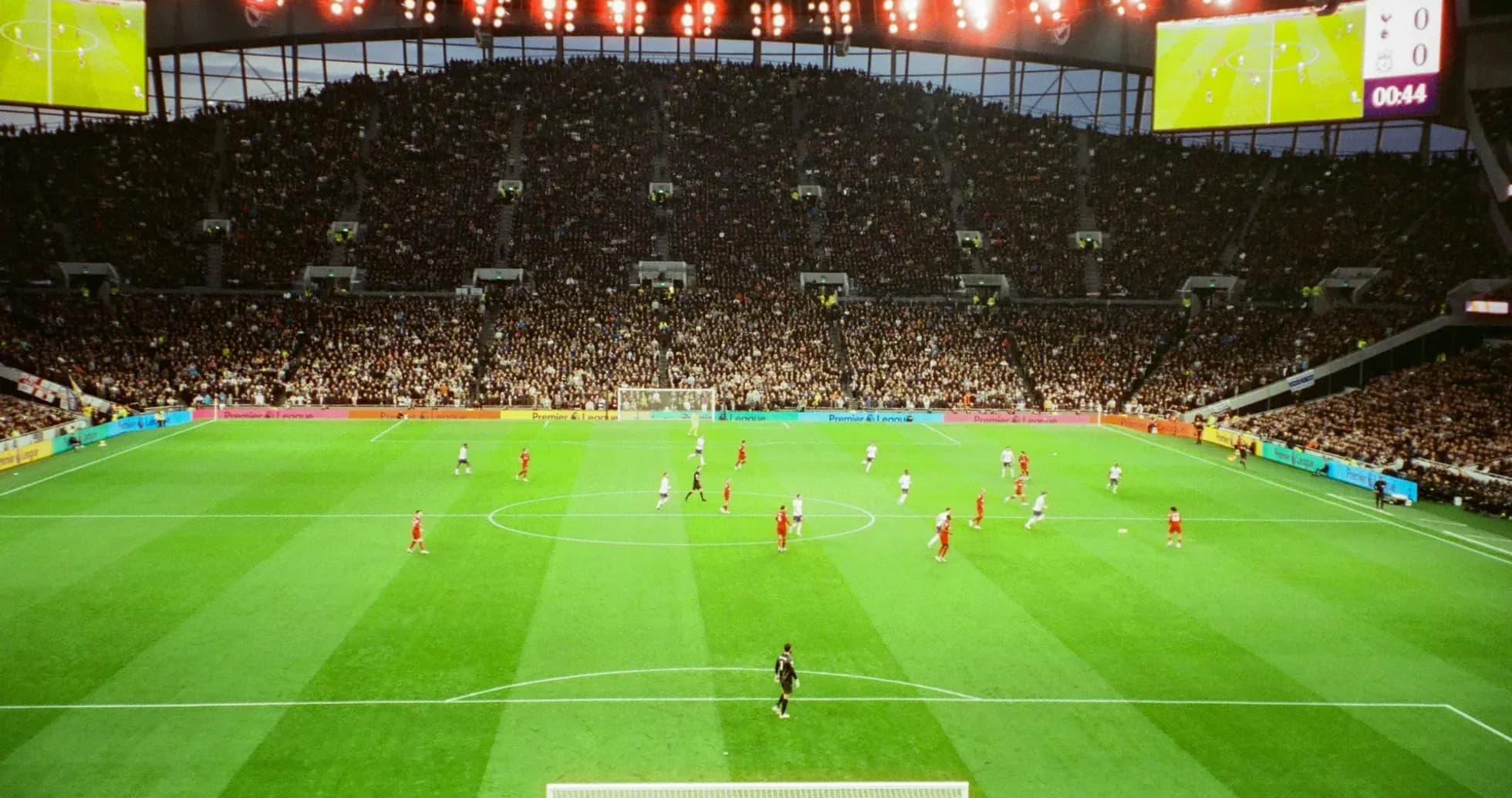
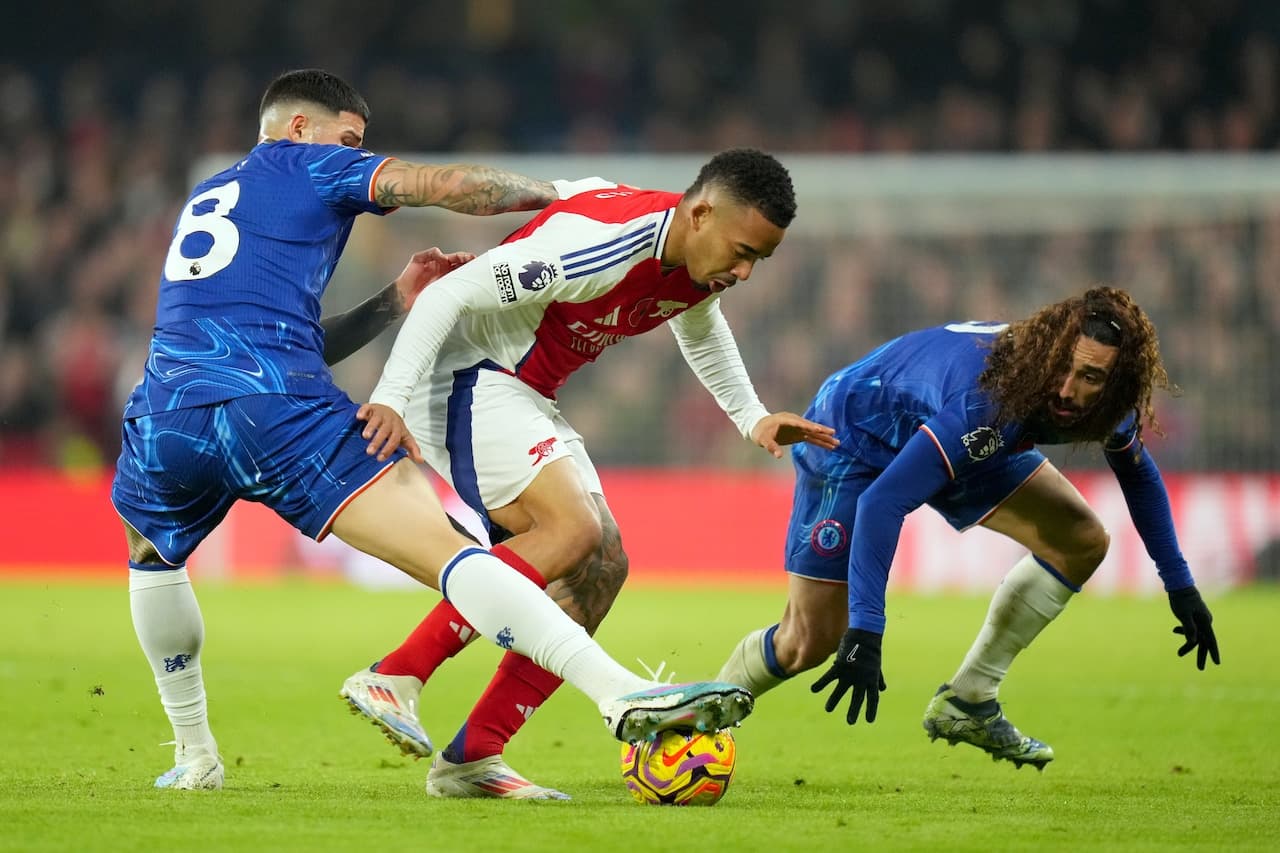
At Emirates Stadium on Sunday, Premier League leaders Arsenal edged a tense 2–1 win over Chelsea to reinforce their title credentials. In a match refereed by Darren England, Mikel Arteta’s side twice saw their advantage threatened – first by an own goal on the stroke of half-time, then by a Chelsea side that controlled more of the ball – but ultimately Jurriën Timber’s second-half winner settled a high-stakes derby. The result keeps Arsenal clear at the top, while Liam Rosenior’s visitors miss a chance to tighten their grip on the European race.
First-half analysis
Arsenal struck first on 21', capitalising on a set-piece situation. Centre-back William Saliba opened the scoring, with fellow defender Gabriel credited with the assist, underlining Arsenal’s threat from the back line as well as from their forwards. That goal allowed the hosts to manage the tempo without needing to monopolise the ball, content to let Chelsea build through midfield.
Chelsea, for their part, probed through their 4-3-3 structure, but without clear reward until the final minute of the half. On 45', they were gifted a route back when Arsenal defender Piero Hincapié put through his own net, an event officially recorded as an Arsenal own goal despite Reece James being involved in the build-up. That leveller, coming just before the interval, reset the contest and ensured the sides went in at half-time at 1–1, with the psychological momentum tilting slightly towards Rosenior’s men despite the scoreline being level.
Second half & tactical shifts
Arteta acted first after the break, making a proactive change on 56'. Leandro Trossard was withdrawn and Gabriel Martinelli came on, a like-for-like attacking swap that suggested Arsenal wanted more direct running and penetration from the left to stretch Chelsea’s back four.
The game’s disciplinary tone shifted soon after. Cole Palmer went into the book on 59' for a foul, the first of several Chelsea cautions as frustration grew. On 65', Jorrel Hato was also booked for a foul, pointing to the strain Arsenal’s attacking unit was placing on Chelsea’s defensive line.
Arsenal’s pressure told on 66'. Jurriën Timber stepped up with what proved to be the decisive goal, finishing a move assisted by Declan Rice. For a full-back to score the winner, set up by a holding midfielder, underlined Arteta’s collective attacking structure rather than reliance on a single star.
The match then exploded around Pedro Neto. Booked for argument on 67', he picked up another yellow for a foul on 70', which immediately became a red card. Chelsea were reduced to ten men at a crucial phase, turning an already difficult task into an uphill battle. Arsenal’s Gabriel Magalhães collected a yellow of his own for a foul on 75', but the numerical advantage now lay firmly with the hosts.
Both managers reacted on 75–76'. Rosenior reshaped his depleted side: Hato made way for Malo Gusto at 75', while Andrey Santos was replaced by Roméo Lavia, fresh legs in both defence and midfield to stabilise the structure after the dismissal. Arteta, sensing an opportunity to control the closing stages, replaced Rice with Christian Nørgaard and centre-forward Viktor Gyökeres with Kai Havertz on 76', a blend of extra control in midfield and a different profile up front to link play against a deepening Chelsea block.
Chelsea’s discipline continued to fray. Enzo Fernández was booked for argument on 79', adding to the visitors’ tally. In the closing minutes, Rosenior turned to his bench again, seeking late inspiration: Palmer was substituted for Alejandro Garnacho on 86', and Fernández for Liam Delap at the same minute, injecting pace and directness in attack despite being a man down. At 90', Mamadou Sarr departed for Tosin Adarabioyo, a final defensive tweak. Arsenal, however, managed the remaining time effectively to close out a vital win.
Statistical deep dive
Chelsea actually controlled 59% of the ball, leaving Arsenal with 41% possession, and completed more passes (476 to 338) with a higher accuracy (88% to 82%). Rosenior’s side were tidier in their build-up, but Arsenal were more incisive when it mattered.
In attack, Arsenal produced 12 total shots to Chelsea’s 9, with a slight edge in shots on target (5 to 3). The expected goals figures – 1.13 for Arsenal and 1.05 for Chelsea – underline how finely balanced the chance quality was. Yet Arsenal converted their key moments more ruthlessly, particularly through their defenders, while Chelsea’s equaliser came via an Arsenal own goal rather than crafted finishing.
Discipline was a decisive differentiator. Chelsea committed 14 fouls to Arsenal’s 11 and collected five yellow cards plus Neto’s red. Arsenal, by contrast, saw only one booking. That numerical disparity, and the dismissal on 70', shaped the final 20 minutes and curtailed Chelsea’s capacity to chase the game with full aggression.
Standings & implications
The victory consolidates Arsenal’s position at the summit. They now sit on 64 points from 29 matches, with an imposing goal difference of +36, and their status in first place remains unchanged as they continue a strong run of form (WWDDW). At Emirates, their record of 11 wins from 14 home games with just one defeat reinforces their title credentials.
For Chelsea, the defeat keeps them sixth on 45 points from 28 matches, with a goal difference of +16 and a form line of LDDWW before this setback. They remain in the hunt for European qualification but missed a chance to close the gap on the sides above them; tightening discipline and turning possession into clearer chances will be essential if they are to climb higher in the run-in.