Arsenal Edges Burnley 1-0: A Tactical Analysis
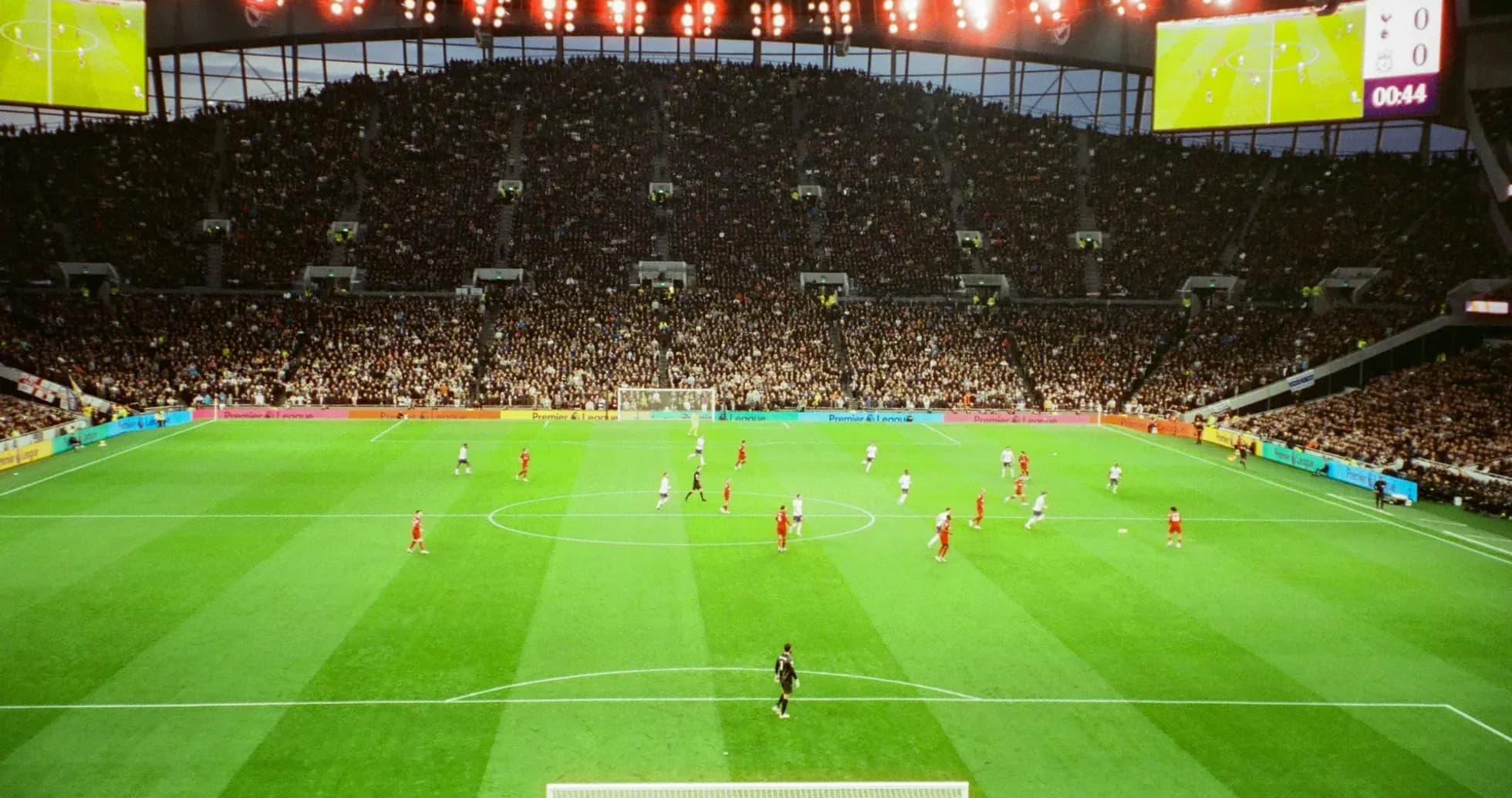
Under the lights at the Emirates Stadium, this felt less like a routine end‑of‑season fixture and more like a study in contrasting footballing identities. Following this result, league‑leading Arsenal, first in the Premier League on 82 points with a goal difference of 43 (69 goals for, 26 against overall), edged relegation‑threatened Burnley 1‑0, a scoreline that captured only a fraction of their territorial dominance but fully reflected the gulf in structure and confidence between the sides.
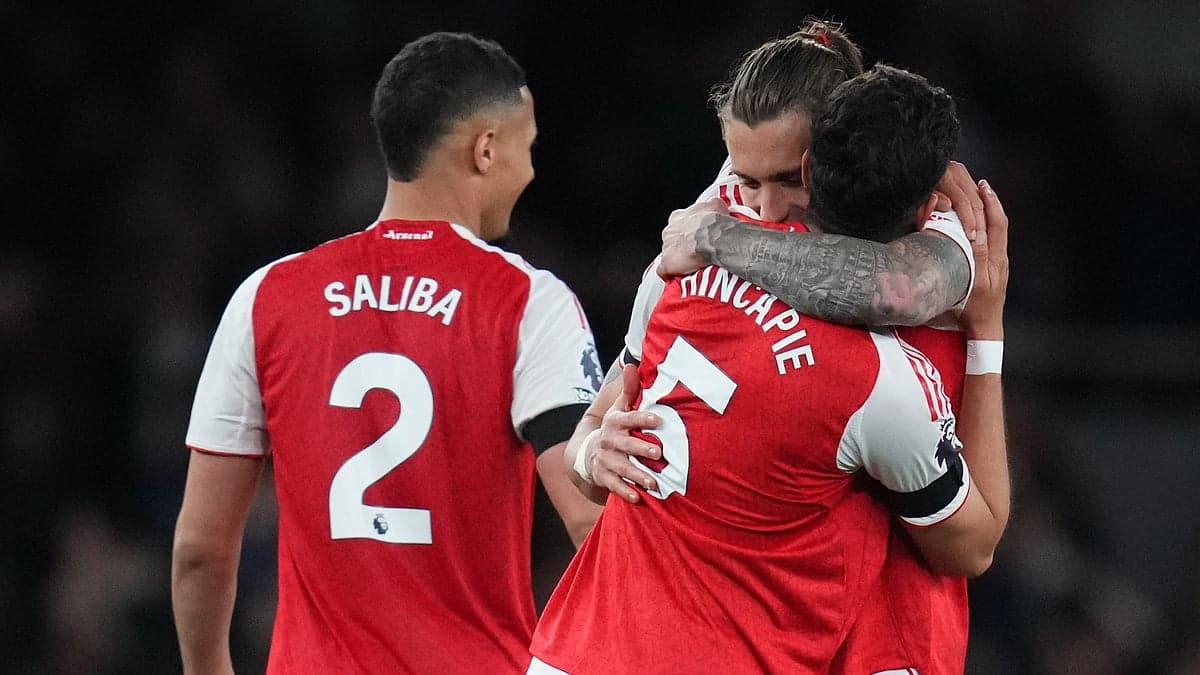
Mikel Arteta’s 4‑3‑3 was textbook Arsenal 2025: D. Raya behind a high, ball‑playing back four of C. Mosquera, W. Saliba, Gabriel and R. Calafiori, with D. Rice anchoring and M. Ødegaard plus E. Eze operating as dual No.8s. Ahead of them, B. Saka and L. Trossard flanked K. Havertz in a front three built for positional rotations and overloads in the half‑spaces. It is a shape that has underpinned a formidable home record: heading into this game, Arsenal at home had 15 wins from 19, scoring 41 and conceding only 11, an average of 2.2 goals for and 0.6 against.
Opposite them, Mike Jackson’s Burnley arrived in a 4‑2‑3‑1 that told its own survival story. M. Weiss was protected by a back line of K. Walker, A. Tuanzebe, M. Esteve and Lucas Pires, with Florentino and L. Ugochukwu forming a double pivot tasked with both screening and sparking transitions. Ahead, L. Tchaouna and J. Anthony worked the flanks, H. Mejbri roamed between the lines, and Z. Flemming led the line as a hybrid 9‑10. For a side sitting 19th with 21 points and a bruising overall goal difference of -37 (37 scored, 74 conceded), the plan was pragmatic: compress, survive, and hope Flemming’s ten‑goal season could tilt a moment their way.
The tactical voids were clear before a ball was kicked. Arsenal’s absentee list stripped Arteta of depth and a few stylistic levers: M. Merino’s foot injury removed a left‑sided controller who can share build‑up burden with Rice; J. Timber’s ankle problem and B. White’s knee injury meant no natural rotation options at full‑back, forcing Mosquera and Calafiori into 90‑minute responsibilities in both rest defence and wide progression. It placed a premium on Rice’s positional discipline, especially against Burnley counters into the channels.
Burnley’s own injuries cut at the heart of their defensive resilience. J. Beyer’s hamstring injury deprived Jackson of a centre‑back with recovery pace and aerial presence, a significant blow against an Arsenal side that thrives on crosses and second balls around Havertz. J. Cullen’s knee injury weakened the visitors’ ability to retain the ball under pressure, pushing even more responsibility onto Florentino and Ugochukwu to resist Arsenal’s press.
Disciplinary profiles shaped the emotional tone. Arsenal, who spread their yellow cards relatively evenly but with a late‑game spike — 26.00% of their yellows arriving between 76‑90 minutes — tend to tighten the screw as fatigue and game management collide. Burnley, by contrast, live closer to the edge: their yellows cluster between 16‑30 minutes (20.31%) and then rise again in the 76‑90 and 91‑105 ranges (both 18.75%), with red cards striking in three distinct windows (31‑45, 76‑90, 91‑105). On a night when they were likely to be penned in for long spells, that volatility was always going to be a tactical risk.
The “Hunter vs Shield” duel was stark. Arsenal’s attacking ecosystem, led statistically by V. Gyökeres’ 14 league goals, is supported by a creative triangle of Trossard (6 goals, 6 assists), Ødegaard (6 assists) and Saka (7 goals, 5 assists). Heading into this match, they averaged 1.9 goals per game overall, with 1.6 on their travels and a potent 2.2 at home. That firepower was set against Burnley’s away defensive record: 46 goals conceded in 19 games, an average of 2.4 against on their travels, with their heaviest away loss a 5‑1 collapse. On paper, Arsenal’s “hunter” unit was calibrated perfectly to exploit Burnley’s fragile “shield”.
Within that, individual duels defined the narrative. On Arsenal’s right, Saka’s 63 key passes and 50 successful dribbles this season set him up for a running battle with K. Walker, who leads Burnley’s card charts with 9 yellows but also underpins their right flank defensively, with 55 tackles, 10 blocked shots and 44 interceptions. Saka’s tendency to isolate and attack his full‑back forced Walker into constant judgement calls between aggression and containment. Every time Walker stepped out to engage, space appeared behind for Ødegaard’s underlaps or Havertz’s diagonal runs.
On the opposite side, Trossard’s dual threat as scorer and creator targeted Lucas Pires and the left channel between Esteve and the full‑back. With 36 key passes and a pass accuracy of 77%, Trossard repeatedly drifted inside to combine with Eze, dragging Burnley’s back four into uncomfortable lateral shifts. Z. Flemming, Burnley’s own offensive spearhead with 10 goals and 37 shots, was largely reduced to transitional moments. His 268 duels this season, with 109 won, speak to a player comfortable in chaos, but against Arsenal’s settled block — anchored by Saliba and Gabriel — those duels were often taking place too far from goal.
In the “Engine Room”, the contest was equally one‑sided in structure if not always in effort. Rice, who has quietly become the metronome of this Arsenal, balanced first‑phase build‑up with protection against Flemming and Mejbri’s attempts to combine centrally. Ødegaard and Eze operated between Florentino and Ugochukwu, constantly asking whether Burnley’s double pivot would step out to press or hold the line. Florentino’s task was brutal: screen central lanes, track Havertz when he dropped, and still offer an outlet. Without Cullen, Burnley lacked a natural tempo‑setter, meaning too many of their clearances turned into second‑ball invitations for Rice and Ødegaard.
Substitutions, when they came, only underlined the depth disparity. Arteta could turn to V. Gyökeres, Gabriel Jesus, N. Madueke or G. Martinelli to refresh the front line, each offering a different profile — from Gyökeres’ penalty‑box presence (3 penalties scored, 0 missed) to Martinelli’s direct running. Burnley’s bench, featuring J. Ward‑Prowse, J. Laurent, J. Bruun Larsen, M. Edwards and Z. Amdouni, offered energy and set‑piece threat, but in a game where they struggled to sustain possession, those weapons were blunted.
From a statistical prognosis perspective, this 1‑0 felt almost inevitable given the underlying numbers. Arsenal’s defensive platform — 19 clean sheets overall, with 11 at home and only 3 games all season in which they failed to score — meant that once they found the breakthrough before or just after half‑time, the probability of a Burnley comeback was slim. Burnley, who had failed to score in 14 league matches heading into this fixture and had not kept a single clean sheet on their travels all season, were always more likely to be chasing than controlling.
In xG terms, even without the raw model values, the pattern is clear: Arsenal’s sustained pressure, volume of final‑third entries and the quality of their creators would have generated a multi‑chance profile, while Burnley’s attacks were sporadic, reliant on low‑probability transitions and set‑pieces. Following this result, the table tells a familiar story — Arsenal consolidating a title‑chasing campaign built on balance and repetition, Burnley staring at relegation after another away day where their structure and numbers simply could not withstand the weight of elite opposition.