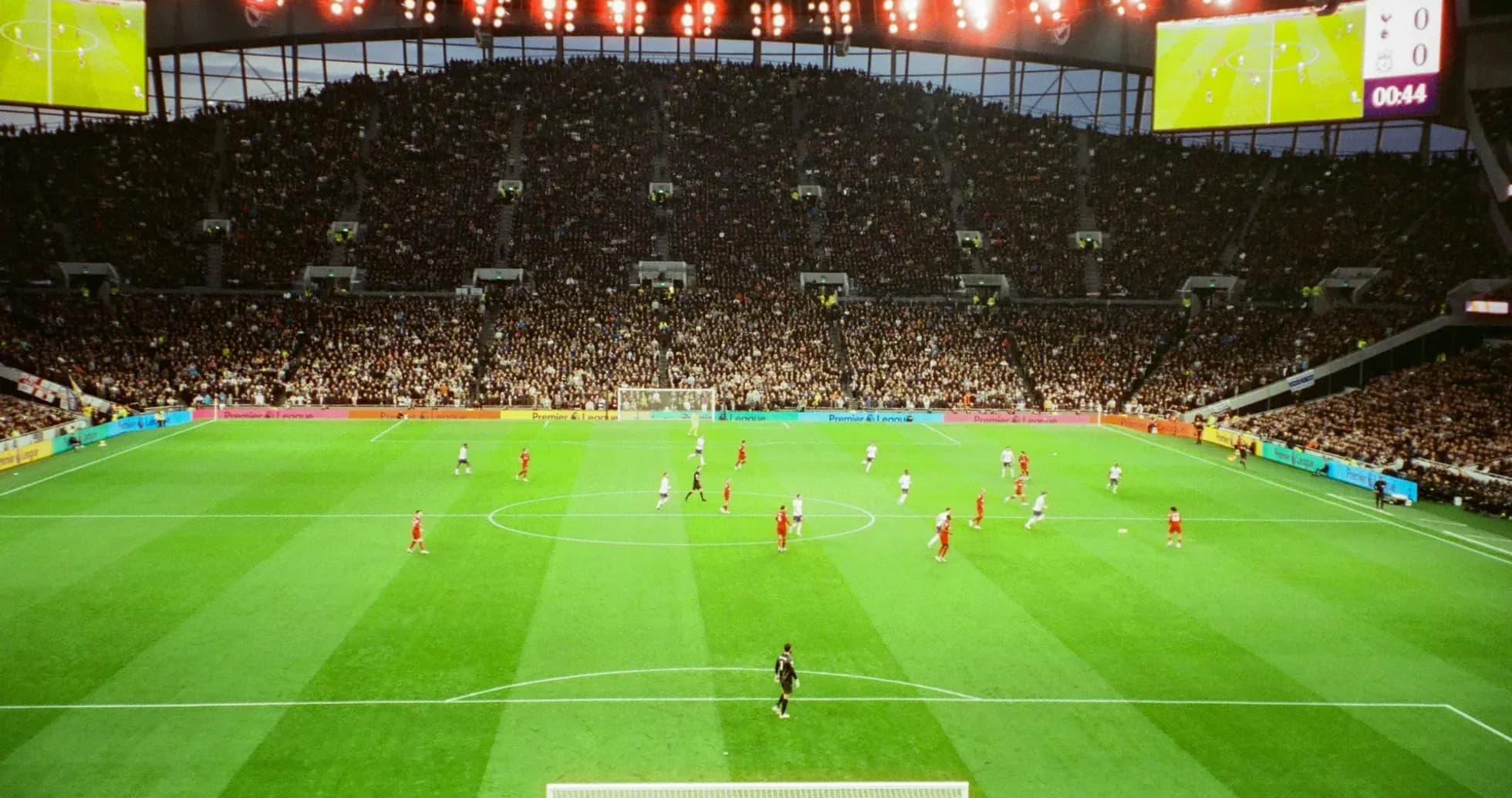
Arsenal vs Burnley: Premier League Clash at Emirates Stadium
Emirates Stadium stages a meeting of extremes as league leaders Arsenal host 19th‑placed Burnley in the Premier League on 18 May 2026. With Arsenal on 79 points and Burnley stranded on 21, the stakes are sharply contrasted: the home side are pushing to close out a title‑winning campaign, while the visitors are clinging to faint survival hopes.
Context and stakes
In the league, Arsenal sit 1st with 24 wins from 36, a goal difference of +42 and the best defensive record in the division (26 conceded). Their home form is formidable: 14 wins, 2 draws and just 2 defeats at the Emirates, with 40 goals scored and only 11 conceded.
Burnley arrive 19th, on 21 points, with 4 wins from 36 and a goal difference of ‑36. Away from Turf Moor they have lost 13 of 18, conceding 45 goals and scoring 20. Their recent league form reads “DLLLL”, underlining a side in freefall.
With only two matches left in the regular season (round 37), Arsenal are in control of their Champions League qualification and likely title destiny. Burnley, in the relegation zone and described as “Relegation - Championship” in the standings, are fighting simply to keep mathematical chances alive.
Referee P. Tierney takes charge at Emirates Stadium in London, adding a familiar Premier League official to a fixture that, on paper, looks heavily tilted towards the hosts.
Arsenal: structure, dominance and home power
Across all phases this season, Arsenal have been relentlessly consistent: 24 wins, 7 draws and 5 losses from 36 league matches, with 68 goals scored and 26 conceded. Their form line (“WWLWDWWWWWDWDWLWWWWWDDLWWDDWWWWLLWWW”) shows long winning runs and very few back‑to‑back setbacks.
Defensively, they average just 0.7 goals against per game, and at home that drops to 0.6. They have kept 10 clean sheets at Emirates and 18 overall, and have failed to score only once at home all season. That underpins a game model built on control, territory and risk‑managed pressing.
Tactically, Arsenal are remarkably stable. They have lined up 23 times in a 4‑3‑3 and 13 times in a 4‑2‑3‑1, suggesting:
- A back four comfortable in possession.
- A midfield either as a single pivot plus two advanced 8s (4‑3‑3) or a double pivot behind a No.10 (4‑2‑3‑1).
- Wide forwards stretching play and an out‑and‑out striker leading the line.
The attack is efficient rather than reckless: 1.9 goals per game overall, 2.2 per game at home. Their biggest home win is 5‑0; their heaviest home defeat is only 2‑3, underlining that even on bad days they remain competitive.
Set‑piece and penalty reliability add another layer. Arsenal have scored all 4 penalties awarded in the league (4 scored, 0 missed), and leading forward Viktor Gyökeres has converted 3 penalties from 3. That makes any penalty award a significant weapon.
Gyökeres is central to the attacking plan. With 14 league goals and 1 assist in 34 appearances, he is Arsenal’s leading scorer. He offers:
- Aerial presence (189cm, 90kg).
- High shot volume (40 shots, 22 on target).
- Penalty‑box occupation as the focal attacker.
His rating of 6.62 and 19 key passes indicate he is more than just a finisher, linking play and drawing fouls (31 won). Expect Arsenal to funnel crosses and cut‑backs towards him, with wide players and attacking midfielders rotating around his movement.
Given Burnley’s vulnerability, Arsenal’s likely tactical script is aggressive but controlled: high line, sustained pressure, frequent switches of play, and patient probing to drag a deep block out of shape. Their record of failing to score in only three matches all season suggests they usually find a way through.
Burnley: tactical juggling and defensive fragility
Burnley’s season has been defined by instability and defensive issues. Across all phases they have:
- Played 36 matches: 4 wins, 9 draws, 23 losses.
- Conceded 73 goals (2.0 per game).
- Scored 37 (1.0 per game).
Away from home, they concede 2.5 goals per match (45 in 18) and have yet to keep a clean sheet on their travels. They have failed to score in 4 away matches and 13 overall, pointing to a side that struggles both ends of the pitch.
The tactical picture is one of constant adjustment. Burnley have used:
- 4‑2‑3‑1 (11 times)
- 5‑4‑1 (9)
- 3‑4‑2‑1 (8)
- 4‑3‑3 (3)
- 4‑4‑2 (2)
- 3‑4‑3 (2)
- 4‑5‑1 (1)
This variety suggests a manager searching for balance between defensive solidity and attacking threat. Against a dominant Arsenal side, Burnley are likely to lean towards a back five or a compact 4‑2‑3‑1, prioritising protection of central zones and trying to clog the half‑spaces where Arsenal’s No.10 or advanced 8s operate.
Discipline is another concern. Burnley’s yellow cards cluster between minutes 16‑30 and 76‑90, and they have 3 red cards spread across different time ranges. Under sustained pressure at the Emirates, late tackles and tactical fouls could become a problem, especially if Arsenal’s dribblers and Gyökeres draw contact around the box.
In attack, Burnley’s main reference is Zian Flemming. The midfielder has:
- 10 league goals in 27 appearances.
- 37 shots (20 on target).
- 2 penalties scored from 2 attempts.
He also contributes defensively (15 tackles, 5 blocks, 7 interceptions, 102 duels won), indicating a box‑to‑box or advanced midfield role. Burnley will likely look to him for transitional threat: late runs into the box, shots from the edge, and set‑piece danger.
Burnley’s biggest away defeat (5‑1) and typical concession rate hint at the risk of collapse if they fall behind early. Their longest losing streak is 7 games, and current form (“DLLLL”) shows they are again in a downward spiral.
Head‑to‑head: Arsenal’s clear edge
The last five competitive meetings between these sides, all in the Premier League, underline Arsenal’s control of the matchup:
- 1 November 2025, Turf Moor: Burnley 0‑2 Arsenal – Arsenal win.
- 17 February 2024, Turf Moor: Burnley 0‑5 Arsenal – Arsenal win.
- 11 November 2023, Emirates Stadium: Arsenal 3‑1 Burnley – Arsenal win.
- 23 January 2022, Emirates Stadium: Arsenal 0‑0 Burnley – draw.
- 18 September 2021, Turf Moor: Burnley 0‑1 Arsenal – Arsenal win.
Across these five, Arsenal have 4 wins, Burnley have 0, and there has been 1 draw. At Emirates Stadium specifically, Arsenal have 1 win and 1 draw in the last two meetings.
Key battles and tactical themes
- Arsenal’s front line vs Burnley’s back line: With Arsenal averaging 2.2 goals per home game and Burnley conceding 2.5 away, the hosts will expect multiple high‑quality chances. Gyökeres’ aerial threat against a likely deep block will be crucial, especially on crosses and set pieces.
- Midfield control: Arsenal’s preferred 4‑3‑3 or 4‑2‑3‑1 should give them numerical and technical superiority in central areas. Burnley’s choice of shape (5‑4‑1 vs 4‑2‑3‑1) will dictate whether they can at least congest the middle and force Arsenal wide.
- Transition and Flemming: Burnley’s best route to goal is likely quick counters and set pieces. Flemming’s 10 goals and ability to arrive from midfield make him the obvious outlet when Burnley break or win free‑kicks.
- Set pieces and penalties: Arsenal’s perfect 4/4 penalty record and Gyökeres’ 3/3 from the spot contrast with Burnley’s own 2/2. Any penalty incident could further tilt a match already skewed towards the hosts.
The verdict
All available data points heavily towards an Arsenal victory. They are top of the league, dominant at home, defensively secure and tactically stable. Burnley are 19th, porous away from home, and in poor form, with a recent history in this fixture that offers little encouragement.
Burnley’s best hope lies in deep defensive organisation, exploiting rare transitional moments through Flemming, and set‑piece efficiency. However, given Arsenal’s home scoring rate, clean‑sheet record and clear head‑to‑head superiority, anything other than a comfortable home win would be a significant surprise.
Expect Arsenal to control possession, create sustained pressure and, over 90 minutes, find enough openings to underline the gulf between the top and the relegation zone.