Arsenal’s 4-2-3-1 Outmaneuvers Chelsea’s Possession Game
Arsenal’s compact 4-2-3-1 outmanoeuvres Chelsea’s possession-heavy 4-3-3 at Emirates Stadium
The Strategic Battle
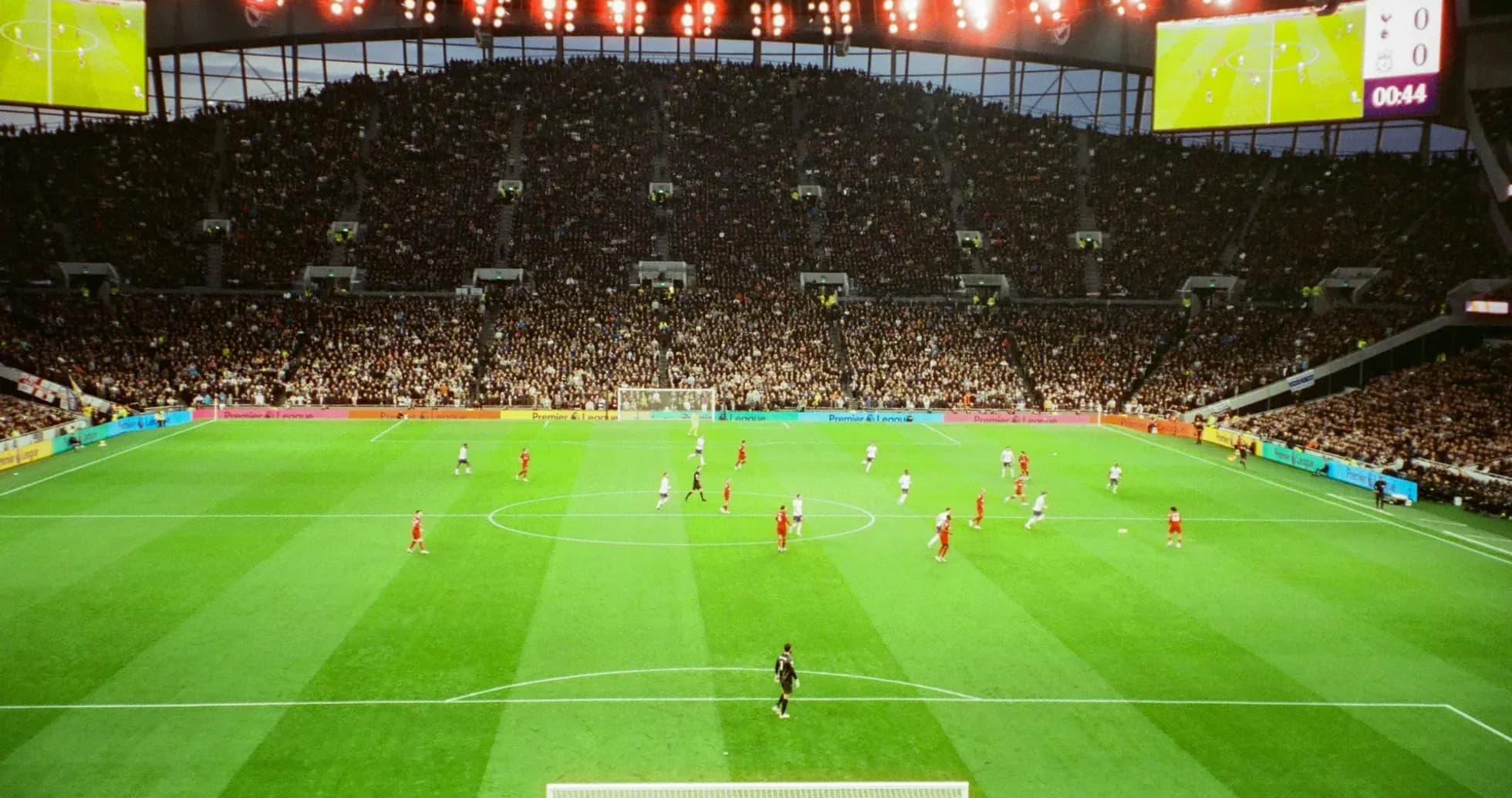
Chelsea controlled the ball with 59% possession and a cleaner passing rhythm (482 attempted, 425 completed, 88% accuracy), but this was largely sterile domination. Arsenal accepted just 41% possession, using their 4-2-3-1 to sit a little deeper and spring forward through transitional moments. Despite less of the ball and fewer passes (338 attempted, 277 completed, 82%), Arsenal generated a similar attacking threat, reflected in an almost identical xG: 1.09 for Arsenal versus 1.07 for Chelsea. The hosts’ game plan prioritised compactness and verticality over circulation, while Chelsea’s territorial control rarely translated into truly dangerous situations.
Offensive Mechanics & xG Analysis
Arsenal’s shot profile underlines a more purposeful approach with limited possession. They produced 12 total shots to Chelsea’s 9, with more efforts on target (5 vs 3) and a higher volume from inside the box (7 vs 5). Matching Chelsea’s xG despite less possession shows Arsenal’s attacks were more efficient and better structured once they entered the final third. The 4 blocked Arsenal shots indicate Chelsea’s back line was often forced into emergency defending inside their own area, scrambling to close down shooting lanes.
Chelsea’s 10 corners to Arsenal’s 5 point to sustained territorial pressure, especially down the flanks with overlaps from Reece James and wide forwards. However, that set-piece volume did not translate into a clear xG advantage, suggesting Arsenal defended their box well and won first contacts. Chelsea’s single blocked shot hints at fewer sequences where they could pin Arsenal in and force repeated shooting opportunities; their 9 total shots and 3 on target from a high-possession base fit the pattern of slow circulation without enough penetration between Arsenal’s lines.
Defensive Intensity & Game Management
Arsenal committed 11 fouls to Chelsea’s 14, reflecting a Chelsea side increasingly chasing the game and breaking rhythm with late challenges. The away team’s 5 yellow cards and one red – Pedro Neto dismissed after two bookings in quick succession – show a loss of discipline that undermined their control. Arsenal, by contrast, collected just one yellow card, suggesting a largely controlled defensive performance in their mid-block.
Goalkeeper data reinforces the tactical story: David Raya needed 3 saves, while Robert Sanchez made 4, underlining that Arsenal’s chances were slightly more testing despite Chelsea’s possession edge. After the red card, Arsenal’s substitutions (notably reinforcing midfield with Christian Norgaard and adding Kai Havertz up front) were geared towards game management: stabilising central spaces, securing second balls, and denying Chelsea clean transitions in the final phase.
Conclusion
Ultimately, Arsenal’s compact structure and efficient shot creation outperformed Chelsea’s high-possession, low-impact approach. The hosts turned comparable xG into a 2-1 win through better box occupation and calmer discipline, while Chelsea’s sterile domination and late-game indiscipline prevented their territorial control from becoming points.