
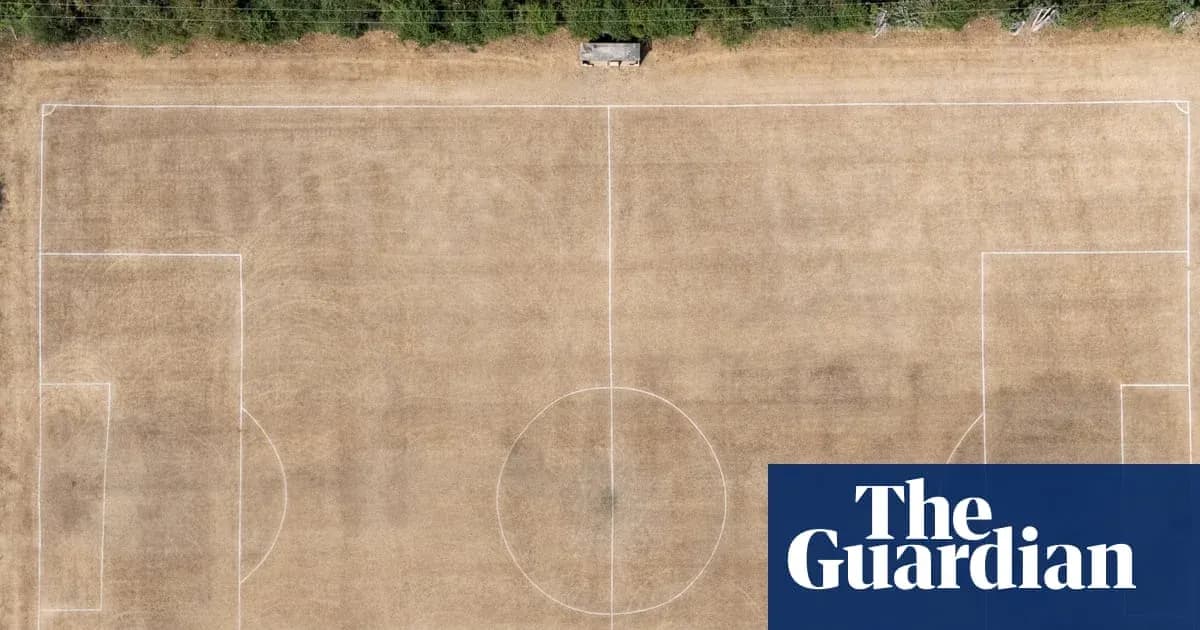
Anglian Combination Delays Start of Season Due to Hard Pitches
The Anglian Combination was supposed to be easing back into its familiar rhythm next weekend: village grounds opening their gates, players shaking off pre-season knocks, coaches fretting over who’s still on holiday. Instead, the league has been brought to a standstill by a force no manager can outthink and no captain can tackle.
The ground itself.
After an urgent board meeting on Friday, the Anglian Combination — an 85-club amateur league spanning Norfolk and Suffolk — took the rare step of postponing the start of its 2026/27 season. The new kick-off date is now 29 August, a full delay born not of administration or fixture congestion, but of pitches that have turned “rock hard” in England’s record-breaking summer.
A Season Stopped Before It Starts
This is grassroots football in one of the country’s most traditional hotbeds, yet the surfaces look more like baked clay than the forgiving turf players expect. Pre-season friendlies have already told a grim story. Many have been cancelled outright. The ones that survived the schedule have produced “many injuries”, according to the league.
That was enough for the board to act. Every club, every player, every official received the same blunt message: the pitches are too dangerous.
League chair Dale Brown put it plainly in a statement to member clubs. Player welfare had to come first in what he described as “the driest and hottest July since records began in 1836”. Most of the league’s pitches are grass. Right now, they might as well be concrete.
“This was a very difficult decision to reach and one that will not please all clubs,” Brown admitted. Some sides will already have planned their early-season push, signed players on the promise of an August start, or budgeted around home gates that will now be delayed. But the risk was no longer theoretical. Hard ground, tired legs, and competitive tackles are a brutal combination.
A Parched Football Landscape
The Anglian Combination’s move is one local decision in a much wider crisis. England and Wales have spent the summer under a relentless sun, with a series of record-breaking heatwaves and exceptionally low rainfall leaving the landscape scorched.
Record temperatures in May and June set the tone. July then went further, becoming the driest month since records began. By last month, half of England had officially been declared in drought. Hosepipe bans followed, including one from Anglian Water, which covers Norfolk and Suffolk and has been in force since 11 July.
The impact is visible from the air. Parks and playing fields lie faded and brittle, stripped of green. The exceptions stand out starkly: golf courses, certain sports clubs, and private schools, still able to water their grounds thanks to controversial exemptions from the bans. For many community clubs, there is no such safety net. They simply watch the grass die and the soil harden.
Heatwave Still Building
Any hope of a quick fix has already evaporated. The Met Office expects another heatwave next week, with temperatures forecast to climb as high as 36C in parts of East Anglia and south-east England by Thursday. Humidity is set to rise, but the one thing football clubs are desperate for — sustained, soaking rain — is nowhere in sight.
That leaves groundsmen with few options. Without water, the pitches cannot soften. Without softer pitches, tackles become gambles and falls become hazards. At elite level, under-soil irrigation and advanced maintenance can mitigate the worst of it. In the Anglian Combination, the tools are more basic: a hose, a mower, and a lot of volunteer hours. When the hose is taken away, the rest quickly follows.
Local Decisions, National Question
The Football Association has confirmed it does not hold figures on how many leagues have been forced to push back their seasons because of the drought. Each competition, each county FA, is left to weigh up the risk and make its own call.
In Norfolk and Suffolk, that call has been made. The Anglian Combination will wait. Players will train on whatever patches of grass they can find, managers will redraw pre-season plans, and clubs will hope that, by the end of August, the pitches look a little less like tarmac and a little more like football.
The real concern lingers in the background: if this is what July and August look like now, how long before summer drought becomes a regular opponent for the English game?



