
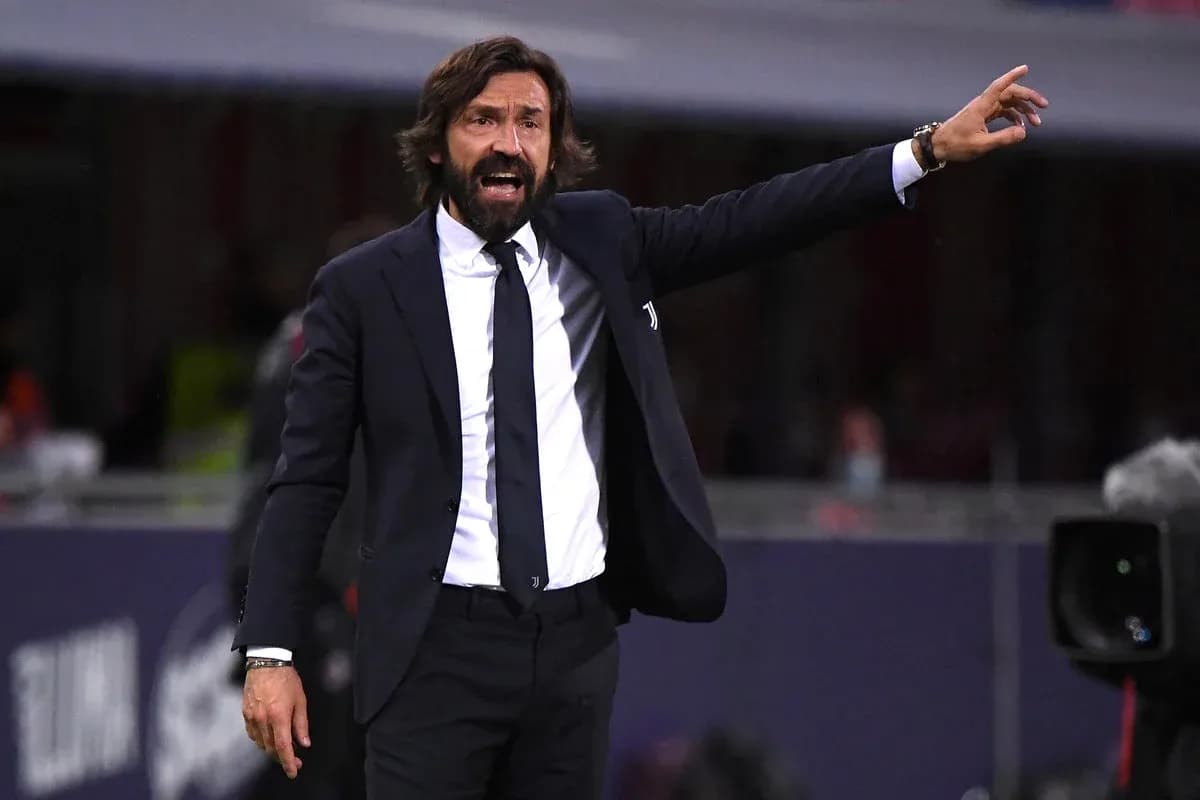
Andrea Pirlo Set to Lead Italy as National Team Manager
Italy is turning to one of its own. Again.
Andrea Pirlo, the languid genius who dictated the tempo of Italy’s 2006 World Cup triumph, is set to become the new national team manager, according to local reports. A four-year contract is on the table, one designed to carry him all the way to the 2030 World Cup.
This is not a romantic sideshow. It is a rescue job.
A Maestro Asked to Rewrite the Score
Pirlo’s playing career reads like a guided tour of Italian football royalty: Inter Milan, AC Milan, Juventus. He was the metronome in midfield, the player who slowed the game to his rhythm and then split it open with a single pass.
Now he walks into a national setup that has lost all sense of rhythm.
After spells in the dugout at Juventus, Sampdoria and Turkish club Fatih Karagumruk, Pirlo is currently in charge of Dubai United. His move back to the Azzurri would mark his first role in international management and his biggest challenge by some distance.
Italian publication La Repubblica reported that the agreement will run for four years, aligning his tenure with the next World Cup cycle. The symbolism is obvious: a World Cup winner entrusted with dragging a four-time world champion back to the tournament it once treated as a second home.
A Giant in Crisis
The scale of the task is brutal.
Italian football is living through one of its deepest crises in decades. The national team has failed to qualify for three consecutive World Cups, a staggering collapse for a country that sees football as a civic religion.
Gennaro Gattuso, Pirlo’s old midfield partner and long-time friend, walked away from the job in April after the latest qualifying failure. His resignation left not just a vacancy, but a void. Italy did not just lose a coach; it lost another piece of its identity.
Behind the results lies a structural decay. The youth development system and talent pathway that once produced conveyor belts of defenders, playmakers and ruthless strikers has withered. For the Italian Football Federation, appointing a new head coach is only the first step in a much larger rebuild. Pirlo will be the face of that effort, but he cannot be the only answer.
Guardiola Says No, Pirlo Steps In
This was not Plan A.
Italian football federation president Giovanni Malago confirmed this week that talks had taken place with Pep Guardiola. The former Manchester City manager, fresh from leaving the Premier League, was sounded out for the role and held discussions with the federation.
Sky Italy reported that Guardiola rejected the offer for “personal reasons that go beyond football”. Before his City exit, he had already spoken about needing a break, saying he did not plan to take another job “for a while” because he lacked the “energy” for immediate return to the touchline.
With Guardiola out of reach, Italy turned back to its own legends. The choice of Pirlo is both pragmatic and symbolic: a coach still building his reputation, but a name that carries enormous weight in a country searching for belief.
A New Era in the Dugouts
While Italy scrambles to rebuild, another European giant has moved with clarity.
On Friday, Germany unveiled Jurgen Klopp as their new head coach. The former Liverpool manager, 59, has signed a four-year deal that will see him lead the national team at Euro 2028 and the 2030 World Cup.
Klopp has spoken openly about feeling “recharged” after his break from club football. At his presentation in Frankfurt, he underlined the emotional pull of the job: “The national team brings us Germans together like almost nothing else can. That's what makes this task so special for me.”
Germany now has its charismatic leader locked in for the long term. Italy, by contrast, is betting on a different kind of charisma — the quiet authority of a man who once controlled games with a glance and a gesture.
From Regista to Rebuilder
Pirlo’s challenge will be stark.
He must restore a broken relationship between the Azzurri and the World Cup. He must do it while fronting a broader reconstruction of how Italy finds, educates and trusts young players. The days when Serie A clubs casually churned out world-class defenders and playmakers are gone; the system needs rewiring.
The risk is obvious. Pirlo is still a relatively young coach, with a mixed record at club level and no international experience. The reward, if it works, is equally clear: a national team reimagined around a modern, possession-based identity, led by a man who once defined Italian elegance on the ball.
Italy has chosen memory and imagination over imported certainty. The Guardiola dream is over. The Pirlo project is about to begin.
Now the question is simple, and unforgiving: can the maestro who once orchestrated a golden summer in 2006 compose one more masterpiece for a nation on its knees?



