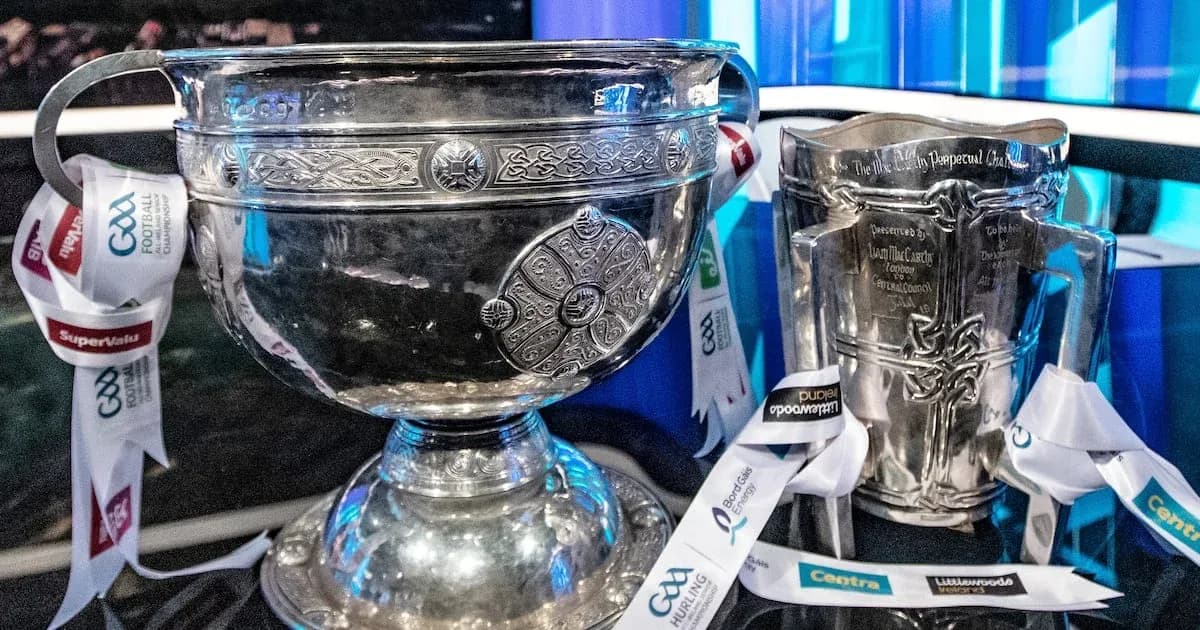
All-Ireland Finals Ticket Allocation and Demand
Outside Croke Park, the chorus is as old as the terraces themselves.
“Anyone buying or selling tickets?”
On All-Ireland final week, it’s almost part of the soundtrack. But the GAA’s stance has never wavered: steer clear of the touts, especially when the biggest days in hurling and football roll around.
These are not ordinary games, and these are not ordinary tickets.
A national occasion, not a general sale
No tickets for the All-Ireland hurling or football finals go on general sale. None. There is no magic online drop, no late-night scramble on public sites.
Everything runs through the GAA’s ticketing office.
From there, the lifeblood of the organisation – the county boards – take over. They receive the bulk of the allocation and pass it down to clubs. The two competing counties, naturally, receive the largest slices, but every county is in the mix.
That’s the key point. All-Ireland finals are treated as national occasions. They are not just for Limerick or Galway, Dublin or Kerry. Every club in the country, whether their county is involved or not, receives an allocation based on size, membership, and the codes they field.
The stadium holds 82,300. Of that, 82,006 tickets are actually distributed for each final.
It’s never enough.
Demand dwarfs supply every single year. That’s why the scramble begins weeks out, and why the black market chat grows louder as throw-in approaches.
Where the tickets actually go
Strip away the myths and whispers, and the numbers tell the story.
Of the 82,006 tickets, 71,478 are available for general distribution. Another 10,528 are ring-fenced for premium and corporate ticket holders.
The GAA details the breakdown in the director general’s annual report. The latest figures, in the 2025 report, cover the 2024 All-Ireland finals.
Here’s how the 2024 finals were carved up:
- Total county allocations – 59,212
- Provinces – 380
- Overseas – 480
- Ard Chomhairle/Iar Uachtarán – 800
- Camogie – 140
- Ladies football – 100
- Rounders & handball – 212
- Sponsors – 1,250
- Press – 258
- TV & radio – 74
- Schools and education bodies – 1,666
- Third-level (colleges & universities) – 240
- Croke Park residents – 200
- Match officials & national referees panel – 228
- Health bodies & Sport Ireland – 60
- Match Day/Vertigo – 148
- Staff & subcommittees – 820
- Jubilee teams – 70
- Go Games – 188
- Term tickets – 2,358
- Season tickets – 2,594
In previous years, the GAA also published the exact allocations for the two finalists. Each county typically received in the region of 13,000 tickets. When tickets are not taken up in counties not involved in the final, they don’t sit idle; they are recycled back to the competing counties, where demand is at boiling point.
Provincial and overseas boards also have their share, as do season and term ticket holders. It’s a long list, but it reflects what the GAA wants these days to be: inclusive, representative, and spread across every layer of the association.
The price of a golden stub
Getting a ticket is one battle. Paying for it is another.
In 2024, the GAA increased All-Ireland final ticket prices. A stand ticket rose to €100, a terrace ticket to €55. The last time prices moved was 2019, when stand and terrace tickets jumped to €90 and €50 respectively.
For many, it’s a once-a-year splurge. For others, it’s a painful decision. But the finals remain the most coveted tickets in Irish sport, and the appetite has not dimmed.
Inside the clubs: raffles, favours and hard choices
Is there any realistic chance of a spare surfacing before Sunday?
Officially, no. Realistically, never say never.
The real drama plays out inside clubhouses and committee WhatsApp groups. How clubs distribute their allocation is entirely up to them, and those decisions can define a week.
Some clubs funnel a portion of their tickets straight into fundraising. Raffles, draws, and competitions suddenly become very attractive when the prize is a seat in Croke Park on All-Ireland day.
Limerick county board have gone a step further this year, running a competition for the most creatively decorated home or business in the county ahead of the All-Ireland hurling final against Galway. The reward: two tickets for Sunday’s game. Paint your house green, hang the bunting, and hope.
Other clubs ringfence tickets for the people who keep the place ticking over – officers, team managers, long-serving volunteers. It’s a way of saying thank you in the most valuable currency the GAA has in July and August.
And then there are the “special requests”. Old players. Lifelong supporters. Sponsors. Friends of friends. The phone never stops. This is the week when club secretaries really earn their keep.
What about the players and backroom teams?
On the inside, there is one group who don’t have to worry about the hunt.
According to Croke Park, everyone who is part of the official county panel is accredited in advance of the game. Their access is guaranteed.
Where they are positioned on the day depends on their role. Managers and selectors patrol the sideline. Analysts and statisticians are stationed in a dedicated stats box in the lower Hogan Stand. Spaces are reserved in the upper Hogan for those handling analysis and recordings for the teams.
Every vantage point is choreographed. Every pass, every puck-out, every run tracked from those seats high in the stand.
Outside, thousands will walk the streets around Jones’s Road asking the same old question, hoping for the same small miracle.
Inside, 82,006 people will already know the answer.