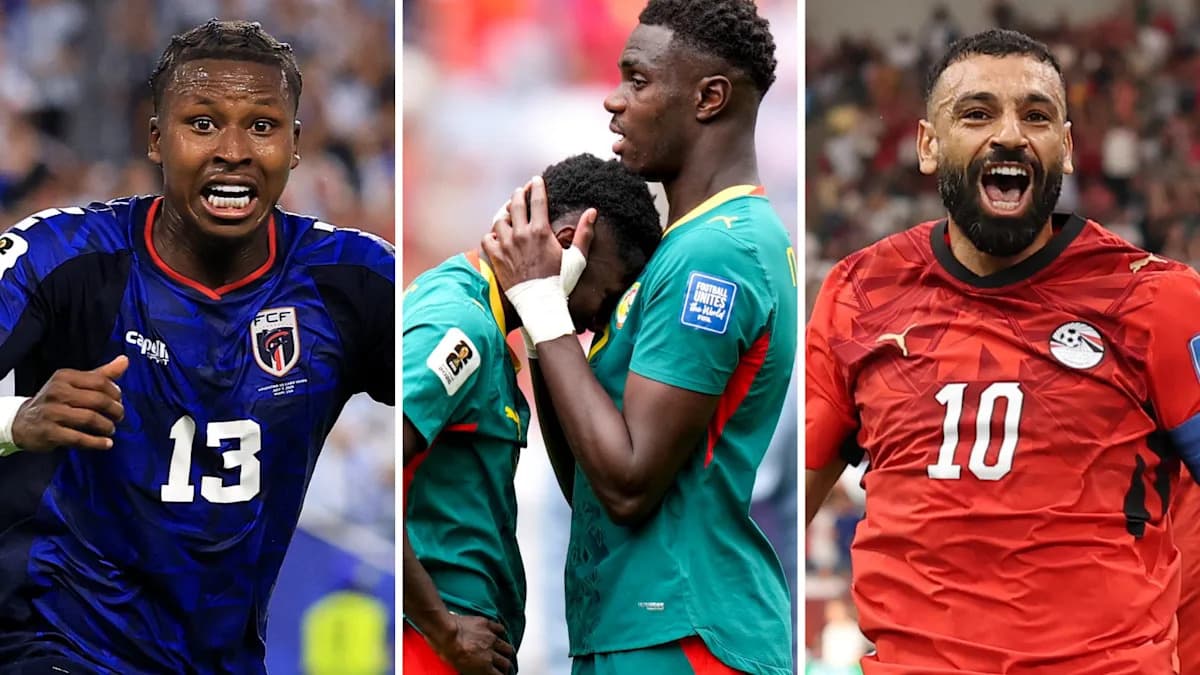
Africa's 2026 World Cup Journey: Underdogs, Historic Wins, and Heartbreaking Exits
The 2026 World Cup marked a milestone for Africa as the continent sent its largest ever group of teams to compete. Out of ten squads, nine progressed beyond the group stage, yet only Morocco reached the quarter-finals. Five African teams were eliminated by late goals, including Senegal and Egypt, who lost after holding two-goal leads.
Despite this, several nations made historic strides. Cape Verde advanced to the round of 32 in their World Cup debut, while Egypt and DR Congo secured their first-ever wins at the finals. Additionally, Ivory Coast and South Africa also passed the group stage for the first time.
With the World Cup set to return to Africa in 2030, co-hosted by Morocco, Spain, and Portugal, lessons from this expanded 48-team tournament could shape future performances.
Surprise Performers: Cape Verde’s Rise
Cape Verde captured global attention by drawing with giants like Spain, Uruguay, and Saudi Arabia during the group phase. Their spirited fight against defending champions Argentina in the last 32 was a highlight, narrowly losing 3-2 after extra time despite twice coming back from behind.
Goalkeeper Vozinha became an overnight sensation, his Instagram followers soaring from 50,000 to over 29 million during the tournament. His impact was so profound that a newly discovered sea slug species was named after him.
Defender Roberto Pico Lopes expressed pride, saying, "We are a small nation but with big hearts. We showed what is possible – if you believe, you can achieve." Cape Verde’s recent performances in the Africa Cup of Nations hinted at this capability long before the World Cup.
Morocco Extends Its Legacy
Morocco confirmed their status as Africa’s top-ranked team by reaching consecutive World Cup quarter-finals for the first time. Yet, they fell short of their semi-final run from 2022, again being eliminated by France.
Under coach Mohamed Ouahbi, Morocco adopted a more attacking style. Young midfielder Ayoub Bouaddi, just 18 years old, stood out and attracted interest from major European clubs. Ouahbi remarked on the team's youth and talent, emphasizing their potential to grow stronger.
Late Goals Cost Several Teams Dearly
Several African teams suffered heartbreak from conceding late goals. Senegal led Belgium 2-0 with five minutes left but ended up losing 3-2 after Belgium scored the latest winner ever recorded in World Cup history. Egypt let a 2-0 lead slip away against Argentina, ultimately losing due to a 92nd-minute header.
Other teams like DR Congo, Ivory Coast, and South Africa also exited after conceding decisive goals in injury time. This raised questions about whether African sides struggle to maintain focus late in matches.
Dr. Nikita Rowley, a sports psychologist, explained, "Physical and cognitive fatigue affect players' decision-making and attention towards the end of games. Emotions run high, making mistakes more likely when stakes are greatest." She added that such pressure impacts all teams, not only African ones.
Learning From Experience
The World Cup expansion to 48 teams gave Africa more representation, moving from five to nine guaranteed spots plus DR Congo’s play-off qualification. Most teams advanced from their groups, but many players lacked experience in high-pressure matches compared to their European and South American counterparts.
Gambian coach Mattar M Boge highlighted this gap, noting how Europe’s Nations League creates constant competitive environments with promotion and relegation, something Africa is still developing. He believes growing experience will help African teams handle responsibility better over time.
Disappointments and Off-field Challenges
Tunisia struggled, firing coach Sabri Lamouchi after a heavy opening loss and failing to recover under replacement Herve Renard. Ghana reached the knockout stage for the first time since 2010 but failed to register a shot on target in their last-32 loss, reflecting defensive priorities under coach Carlos Queiroz.
Visa restrictions affected fans and officials from African countries. Supporters from Ivory Coast and Senegal faced barriers, while some were asked for large deposits to obtain US visas. Referee Omar Artan from Somalia was denied entry despite proper documentation, though he later officiated the UEFA Super Cup.
Fifa faced criticism for these issues, along with controversies involving player suspensions. CAF remained publicly silent, unlike its European counterpart, which issued strong statements.
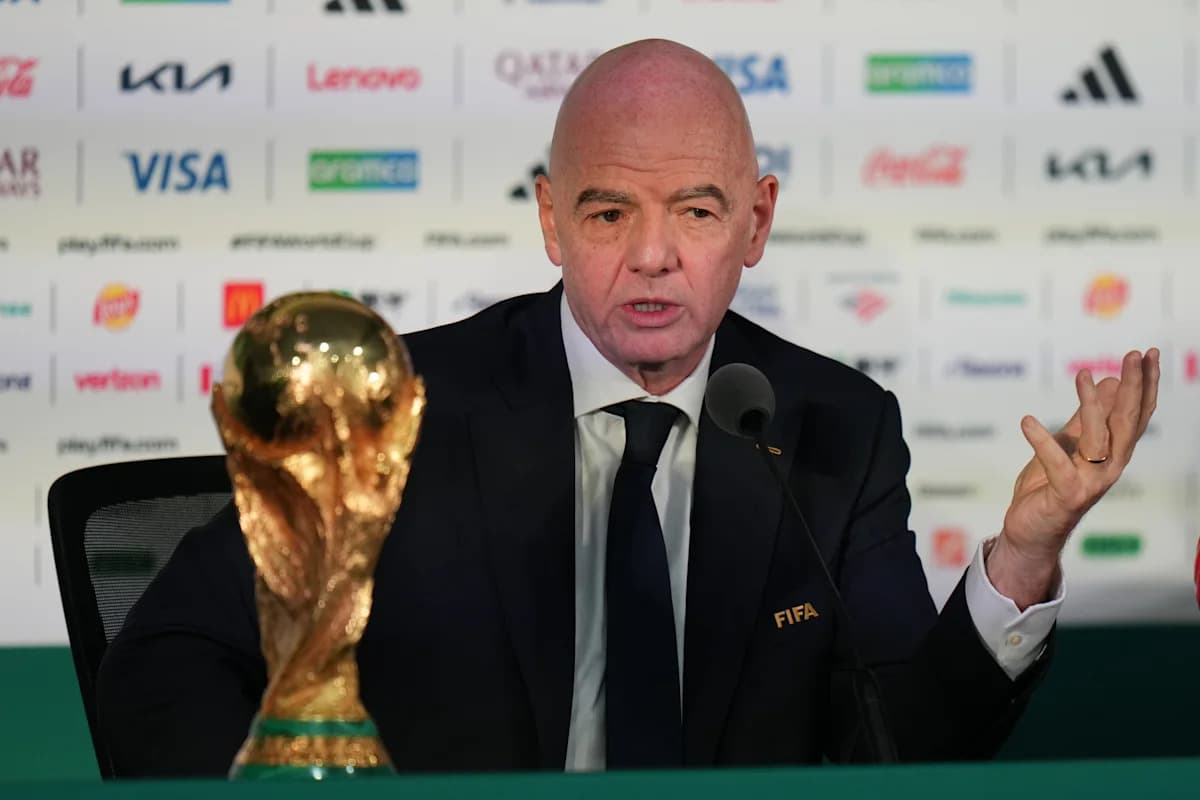
Fifa president Gianni Infantino has suggested expanding the World Cup to 64 teams, potentially increasing Africa’s slots further. Despite breakthroughs this year, progress remains slow, with many African sides seeking consistent success on football’s biggest stage.