AEK Athens FC vs Levski Sofia: UEFA Champions League Play-off Preview
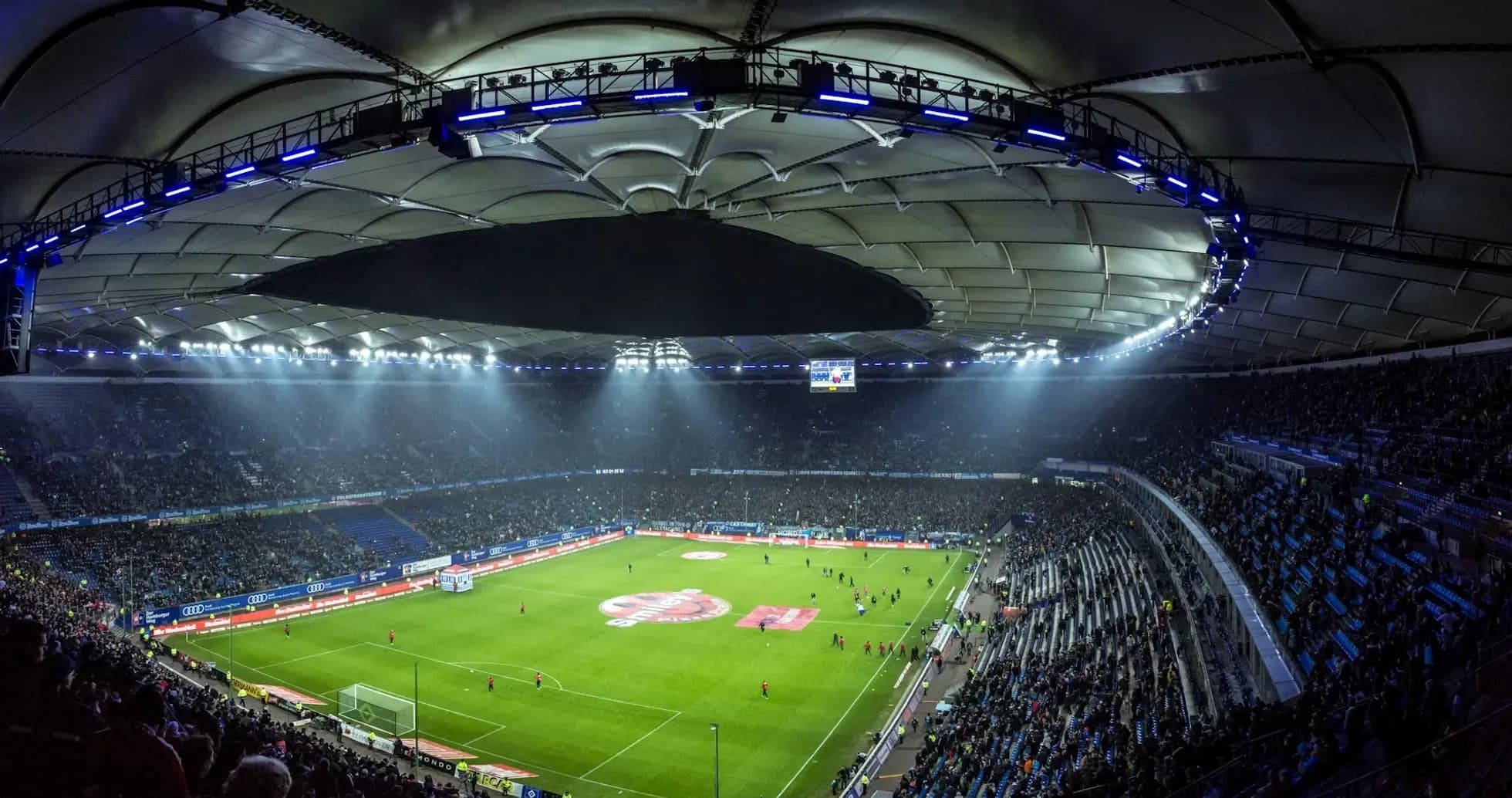
AEK Athens FC host Levski Sofia at Allwyn Arena in Athens in a high‑stakes UEFA Champions League Play-off tie, where the outcome will heavily shape both clubs’ chances of reaching the lucrative group stage and the financial and sporting platform that comes with it.
Head-to-Head Tactical Summary
The only recent meeting in this Play-off comes from 18 August 2026 at the National Stadium Vasil Levski in Sofia, where Levski Sofia and AEK Athens FC drew 0–0. The match was goalless at half-time and full-time, underlining a tight, controlled tactical battle with both sides cancelling each other out rather than opening up.
Global Season Picture
- League Phase Performance: There is no group stage standings data yet for either AEK Athens FC or Levski Sofia in the 2026 UEFA Champions League, underlining that both are still fighting to secure their place in the main phase through these Play-offs.
- Season Metrics: In the current Champions League campaign, AEK Athens FC have played 1 match, drawing it 0–0 away, with no goals scored or conceded and 1 clean sheet but also 1 match without scoring. Levski Sofia have a broader sample: 7 matches, with 4 wins and 3 draws, still unbeaten. They average 1.4 goals scored per game (10 in total) and 0.4 conceded (3 in total), with 5 clean sheets. Their home record is particularly strong, with 6 goals scored and none conceded across 4 matches, while away they score 1 goal per game and concede 1 on average. Card data shows Levski accumulating yellow cards fairly evenly across the match, indicating an aggressive but managed defensive approach; AEK’s card profile is not yet established in this competition.
- Form Trajectory: AEK Athens FC’s Champions League form string is simply “D”, reflecting a single draw so far – a stable but untested profile at this level. Levski Sofia’s “DWWDWWD” sequence shows an unbeaten run with a consistent pattern of short winning streaks punctuated by draws, suggesting a side that manages two‑legged ties well, rarely overexposed defensively and capable of closing out results.
Tactical Efficiency
Across this Champions League campaign, Levski Sofia have shown a strong balance between attack and defence. Scoring 10 goals in 7 matches while conceding only 3, with 5 clean sheets, points to an efficient, risk‑controlled attacking approach built on a solid back line. Their use of multiple formations (4‑3‑3, 4‑4‑2, 4‑2‑3‑1) across seven games underlines tactical flexibility, adjusting structure without sacrificing defensive stability.
AEK Athens FC, with just one 0–0 draw played in a 4‑4‑2, project as compact and conservative so far: one clean sheet, but also a failure to score. In the context of a Play-off second leg after a 0–0 first leg, this suggests a likely emphasis on defensive organisation and set‑piece threat rather than expansive open‑play risk.
Comparing these season averages, Levski’s attacking efficiency is clearly more proven: they generate goals consistently while keeping matches low‑scoring at the other end. AEK’s profile is still data‑light but points to a side that can shut down space. The tactical battle is therefore likely to hinge on whether Levski can translate their broader attacking rhythm into clear chances away from home against an AEK side that has so far prioritised control and clean sheets.
The Verdict: Seasonal Impact
This Play-off tie is season‑defining for both clubs. For AEK Athens FC, turning the home leg into a win would open the door to the Champions League group stage, transforming their 2026 campaign from a cautious qualifying run into a high‑exposure European season, with major financial upside and a stronger platform for domestic title and top‑four ambitions. Failure to progress would reframe the year around secondary European competition and reduce their margin for error domestically.
For Levski Sofia, protecting their unbeaten run and converting it into qualification would validate their efficient, defensively secure approach and give them a rare Champions League group stage presence, raising the club’s profile and helping to retain key players. An exit here, despite strong underlying metrics, would mean their impressive qualifying form yields no group stage reward, putting more pressure on domestic success to keep the project credible.
In seasonal terms, the result will largely determine whether each club’s 2026 narrative is built around Champions League nights and growth on the European stage, or around regrouping and recalibrating expectations in lesser competitions and at home.