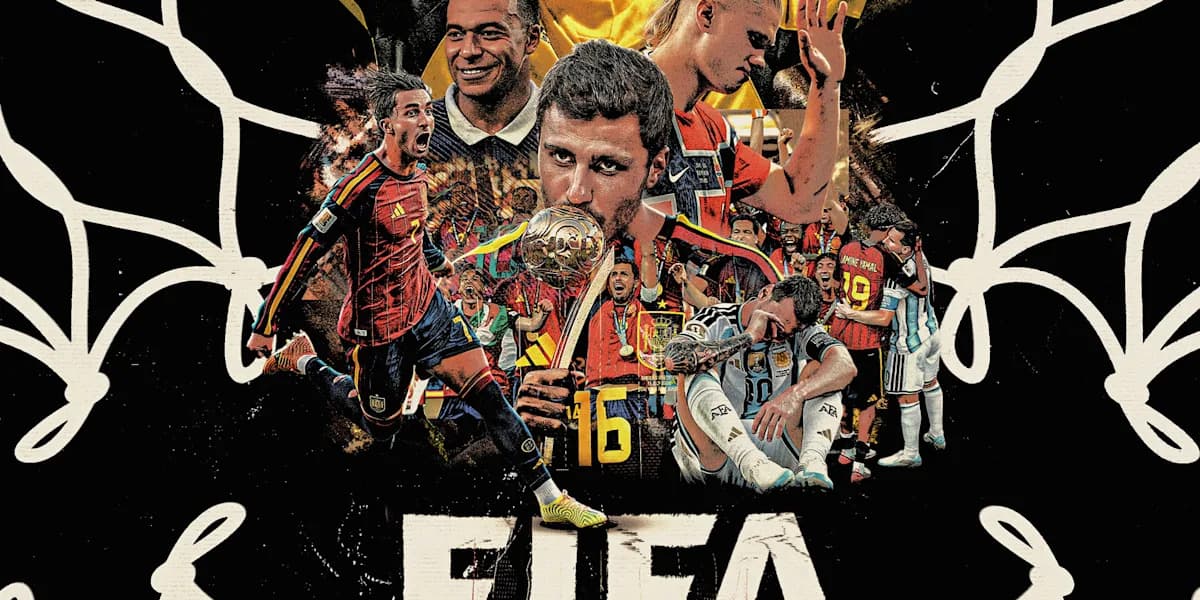
How the 2026 World Cup Captivated America and Silenced Doubters
The 2026 World Cup spread its influence far beyond just the stadiums, sparking interest across the United States and the continent. It converted indifferent onlookers into curious viewers, casual watchers into passionate fans, and strengthened the devotion of longtime followers.
Inside the intense World Cup environment, focusing on one team often means missing the bigger picture of the event. Time is swallowed by training sessions, matches, notes, and quick naps. The festive atmosphere floats around but doesn’t always land on those embedded in daily duties.
A Midair Connection to the World Cup Fever
After the U.S. team's disappointing exit, the tournament’s true magic hit me during a flight home from Dallas after covering the Spain-France semifinal. Passengers anxiously asked if the plane offered live TV for the Argentina-England clash happening mid-flight. When the game started, cheers echoed through the cabin as England scored, then fell silent with Argentina’s comeback goals. The flight attendant even paused safety announcements to acknowledge the thrill of the match — calling it football without hesitation.
This wasn’t an isolated moment. Airport terminals buzzed with travelers glued to screens or discussing recent games. Even Uber drivers wanted to dissect the Spain-Argentina final. Soccer had firmly planted itself in everyday conversations.
The World’s Doubts About America Proved Wrong
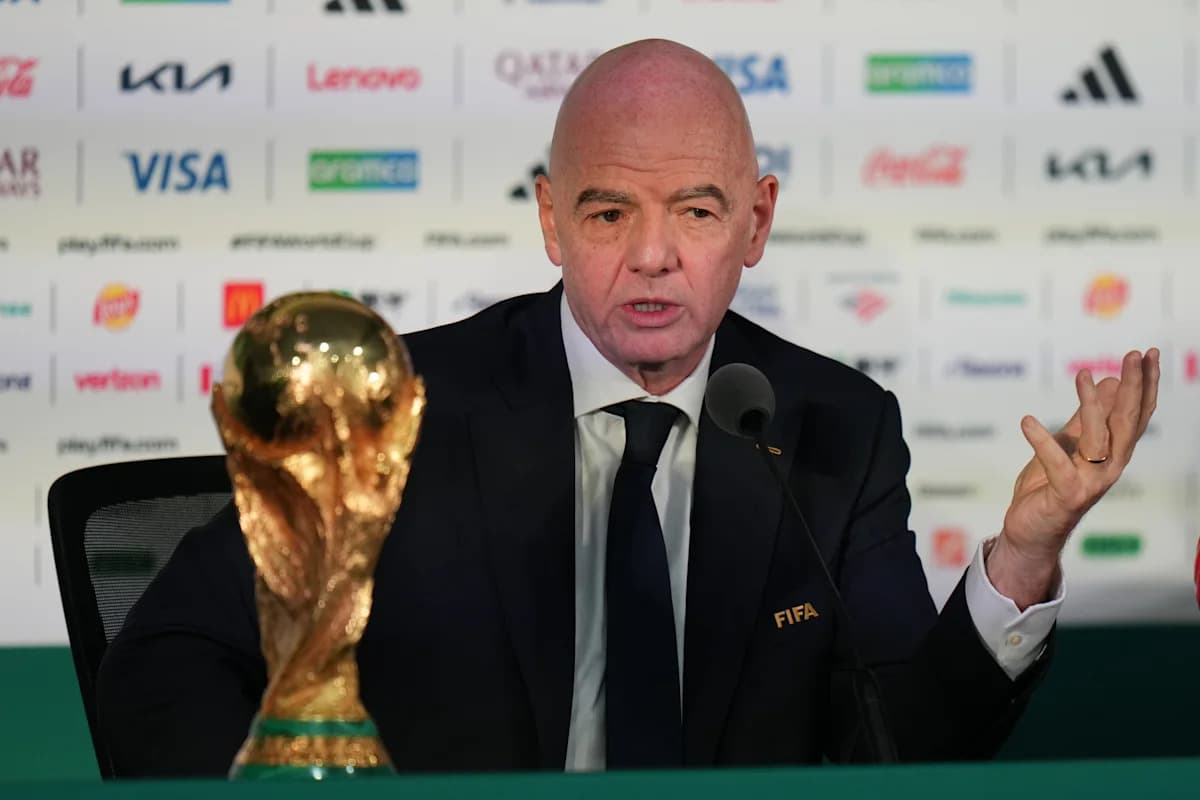
Many doubted the U.S. could host a vibrant World Cup. Predictions of empty seats, lackluster crowds, and inadequate venues circulated widely. Those predictions did not hold up. Despite FIFA’s controversies over ticket costs, politics, and technical hiccups, the tournament drew impressive crowds across its 104 matches, making attendance a clear highlight.
Mexico’s passionate soccer culture and Canada’s historical ties gave a solid foundation, but the U.S. used this event to leap forward. Soccer’s presence in American homes expanded dramatically over the last decade thanks to easier access to major European leagues. No longer hidden on obscure channels or late at night, the sport has become mainstream.
Record Viewership Reflects Growing Interest
Fox and Telemundo recorded massive audiences, with 50 million tuning in for U.S.-Belgium and 45 million for Mexico-England, numbers only topped by NFL games. These figures owe much to the World Cup’s unique appeal but also to growing enthusiasm for weekly soccer seasons like the Premier League, Liga MX, and MLS.
The tournament was filled with captivating storylines. Cape Verde, playing its first World Cup, advanced to the knockout rounds and challenged giants like Argentina. Norway’s fans brought energy with their rowing chants, Dutch supporters painted cities orange, and Argentines flooded towns large and small. The Midwest embraced Algerian fans, while Spaniards connected with unexpected places like Chattanooga. Ranch dressing became a surprising cultural touchpoint.
Players and Teams Who Left Their Mark
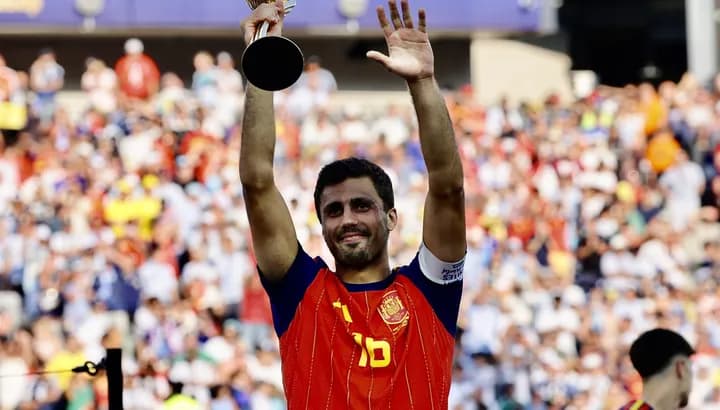
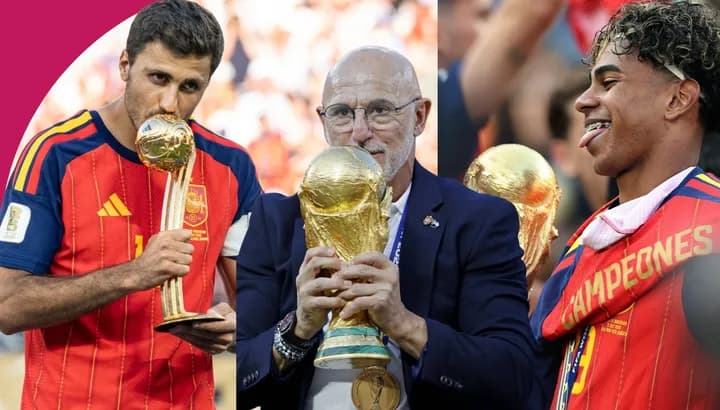
Spanish midfielder Rodri, awarded the Golden Ball, had a poignant connection to the U.S., having spent part of his youth near MetLife Stadium where the final took place. Lionel Messi defied age at 39, ranking second in the Golden Boot race and driving Argentina deep into the tournament with skill and determination. Spain’s suffocating defense largely kept Messi quiet in the final.
New heroes emerged for American audiences: Norway’s Erling Haaland, Cape Verde’s veteran goalkeeper Vozinha, and U.S. forward Folarin Balogun, who managed to stay composed despite a controversial red card amidst the chaos.
The U.S. team inspired belief by winning its first two group matches convincingly, though their Round of 16 loss to Belgium was a tough end. Host nations Canada and Mexico also made history — Canada won World Cup matches for the first time, and Mexico delivered a thrilling match against England at Estadio Azteca.
Unexpected Upsets and Regional Performances
Not all traditional powers succeeded. Brazil and Germany exited earlier than expected, while Uruguay and South Korea struggled. Asia’s overall impact was muted. Morocco continued its strong showing from 2022, reaching the quarterfinals and defeating notable teams along the way. African nations had an impressive tournament overall.
Individual brilliance shone through as well. Mbappé broke scoring records, Messi dazzled, Haaland and Harry Kane proved lethal, and playmakers like Jude Bellingham and Michael Olise displayed top-tier creativity.
Spain’s Collective Mastery Secures the Trophy
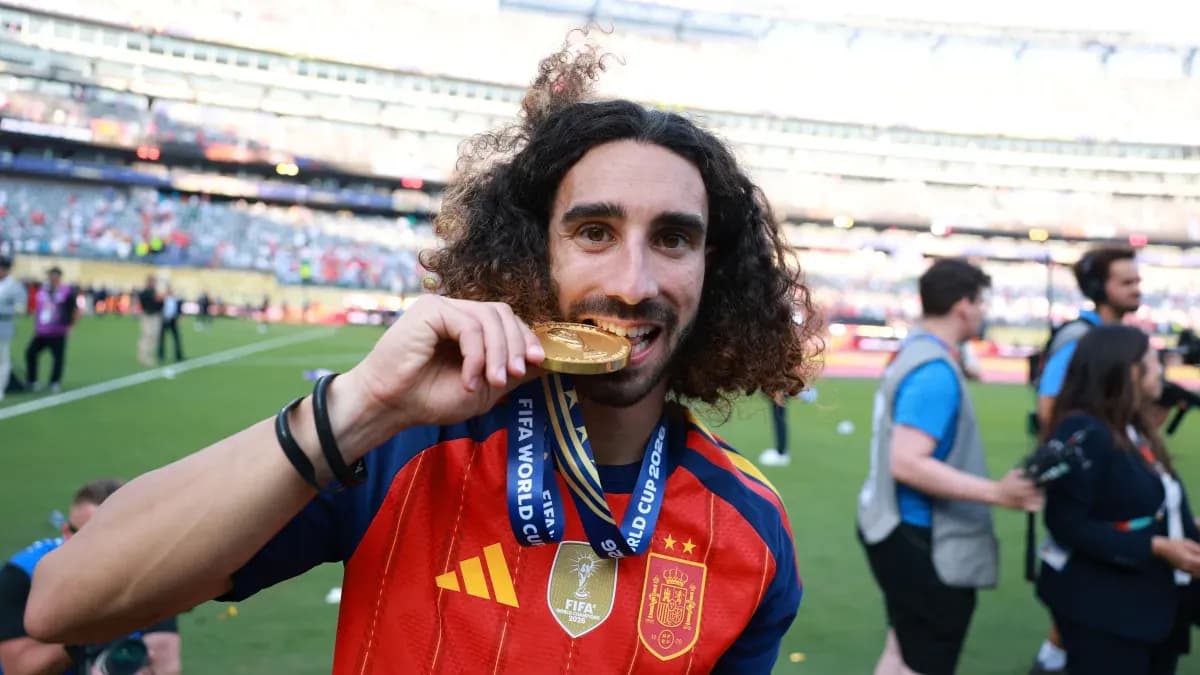
Spain’s team, full of skilled players but few superstars, controlled games through possession and tight organization. Their relentless pressure earned them the title and global respect. The final might not have been the most exciting visually and should have ended before extra time, yet it was a victory for La Roja and the sport itself.
After 39 days that captivated a continent, the 2026 World Cup left a lasting impression. Soccer’s foothold in America grew stronger, and the world was reminded of the sport’s universal power.