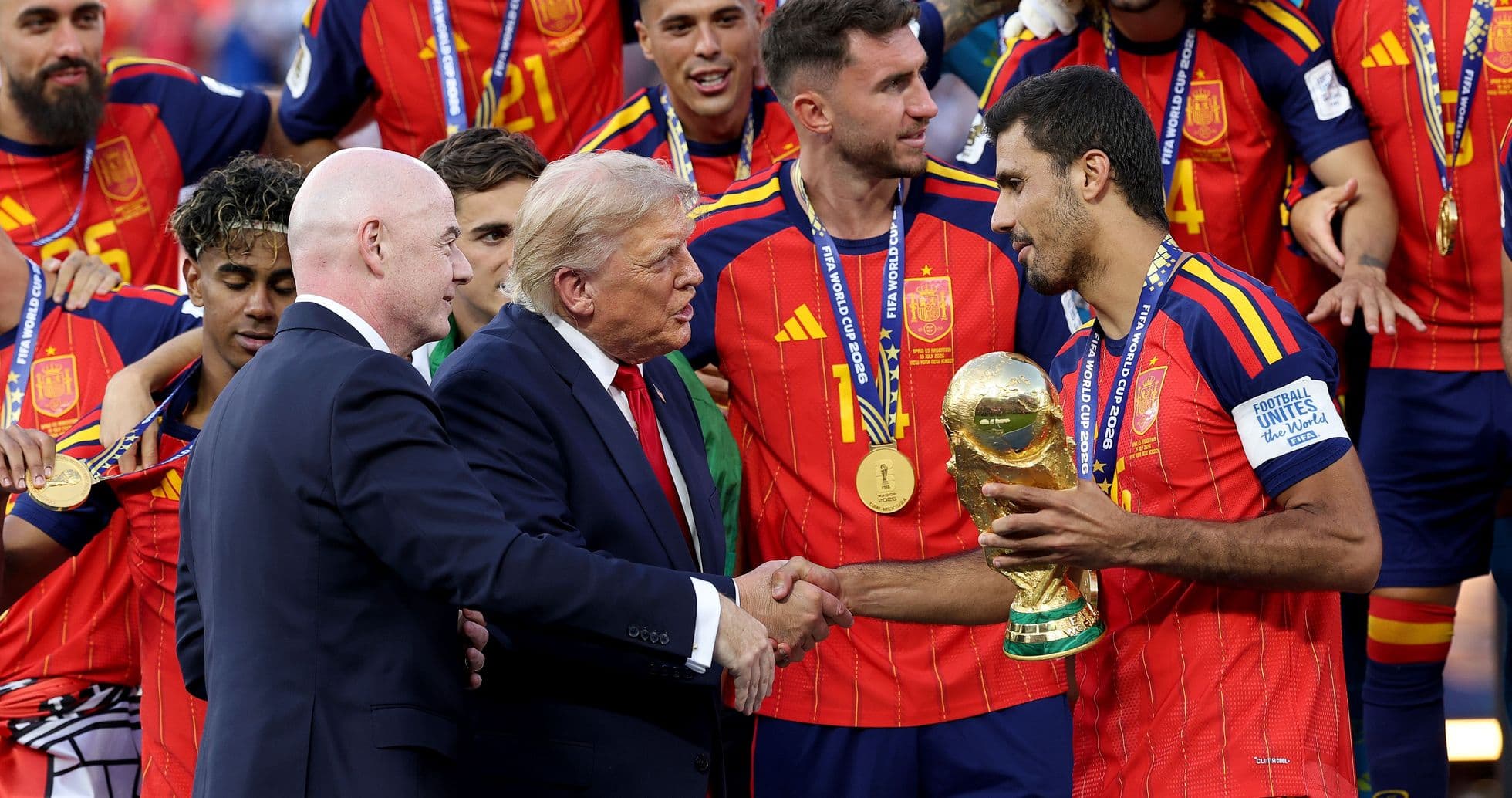
2026 World Cup: A Clash of Football Glory and Political Controversy
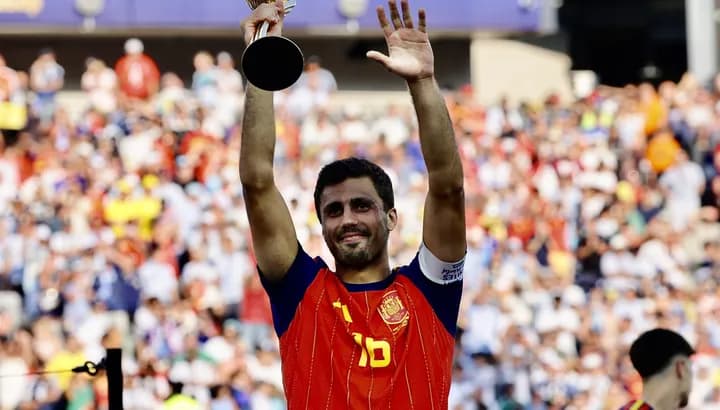
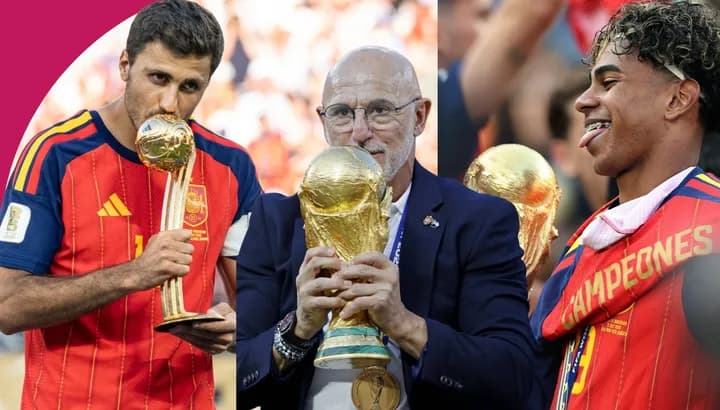
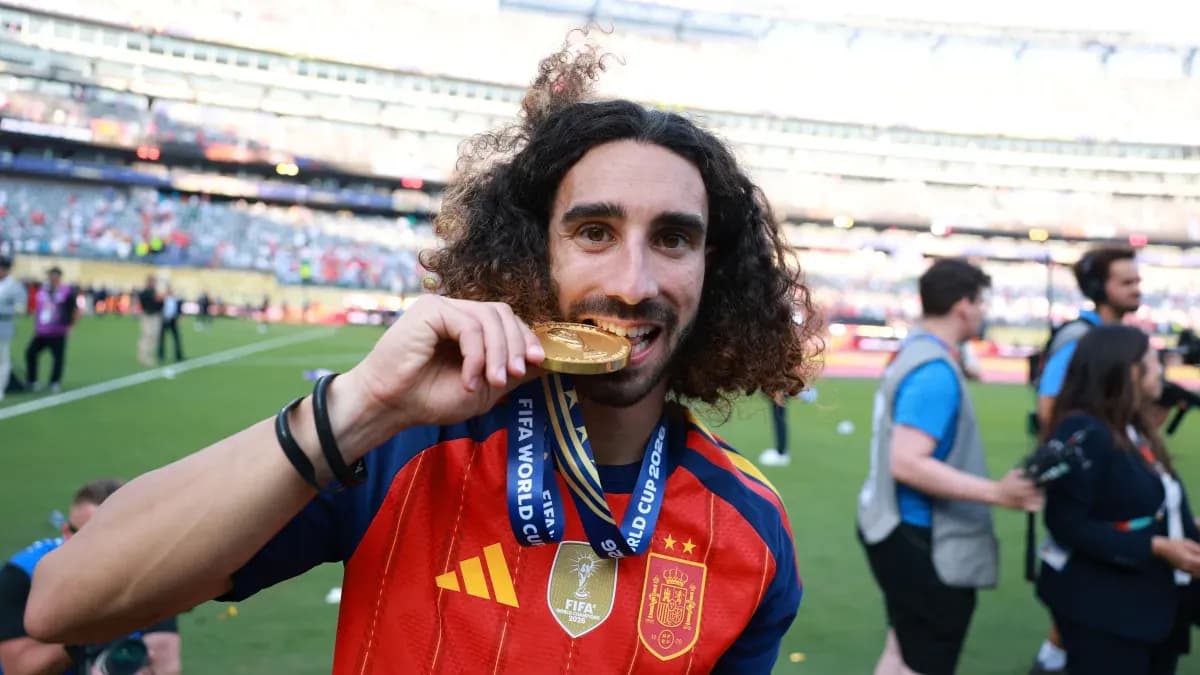
The 2026 World Cup showcased a striking divide between moments of pure football magic and the heavy hand of administration. While star players shone brightly and Spain secured an unprecedented double by holding both the men's and women's World Cup titles simultaneously, political meddling and commercial choices cast a long shadow over the event.
Fans savored thrilling matches filled with unforgettable celebrations, such as the Norwegian naval salute spreading through stadiums thanks to Erling Haaland. The tournament buzzed with energy, excitement, and landmark achievements, including Canada's first-ever knockout victory and Mexico's narrow loss to England in what many considered the tournament's finest match.
Stars and Historic Moments
Kylian Mbappé outpaced legends like Lionel Messi and Jude Bellingham to claim the Golden Boot. The semi-final stage featured the top four national teams, underscoring the tournament's quality. The United States impressed with dominant group performances, scoring a record 11 goals and winning three matches at a World Cup for the first time. The scenes in Seattle after their win against Australia captured the country's newfound passion for men's soccer.
Political and Commercial Shadows
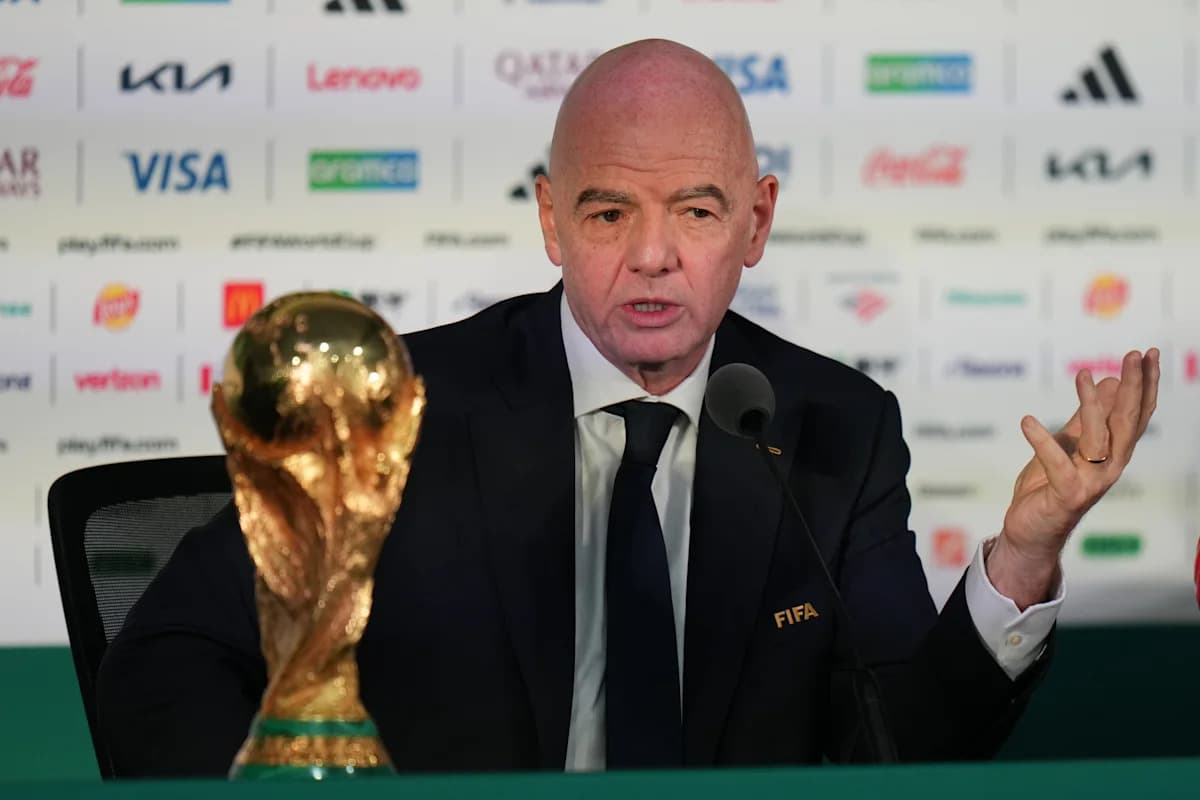
Despite the on-field excitement, several controversies plagued the event. Ticket pricing strategies and mandatory water breaks introduced to accommodate commercial advertising disrupted the flow of matches cherished for their continuity. FIFA's handling of technology and disciplinary decisions revealed troubling opacity, particularly when political forces intervened—most notably, former President Donald Trump and the US government assisted the clearance of star player Folarin Balogun despite an automatic suspension.
These actions strained fans' trust in FIFA, a trust already fragile. Questions linger over the long-term effects of such precedents and whether the sport can preserve its integrity amid these pressures.
Emotional Highs Mixed With Unsettling Lows
The tournament delivered a rich mix of emotions. Scottish fans formed a heartfelt bond with Boston, while Kansas embraced the Algerian team. Cristiano Ronaldo scored in his farewell match, and underdog teams like Cape Verde rose to prominence. Yet, darker moments emerged: the complexity of third-place team qualifications sparked debate; Iran’s team faced uncertainty due to geopolitical conflict; and dynamic ticket pricing left many supporters priced out, with FIFA profiting from secondary market sales.
The Financial Engine Driving Football’s Future
Money remained the dominant force shaping the tournament's course. The revenues generated promise to fund football's expansion into new regions but also fuel FIFA's commercial ambitions. The introduction of advertising during play and the expansion to 64 teams signal a shift towards greater commercialization.
No matter how this World Cup is judged—remarkable or flawed—the agreement for FIFA and the United States to co-host another tournament, possibly in 2038, suggests that this complex relationship between sport, politics, and commerce will persist.
In the end, the 2026 World Cup left fans with mixed feelings—amazing football moments intertwined with troubling controversies. Yet, the appetite for the next tournament is already growing.