World Cup 2026: From Thrilling Drama to Growing Controversy and FIFA's Challenge
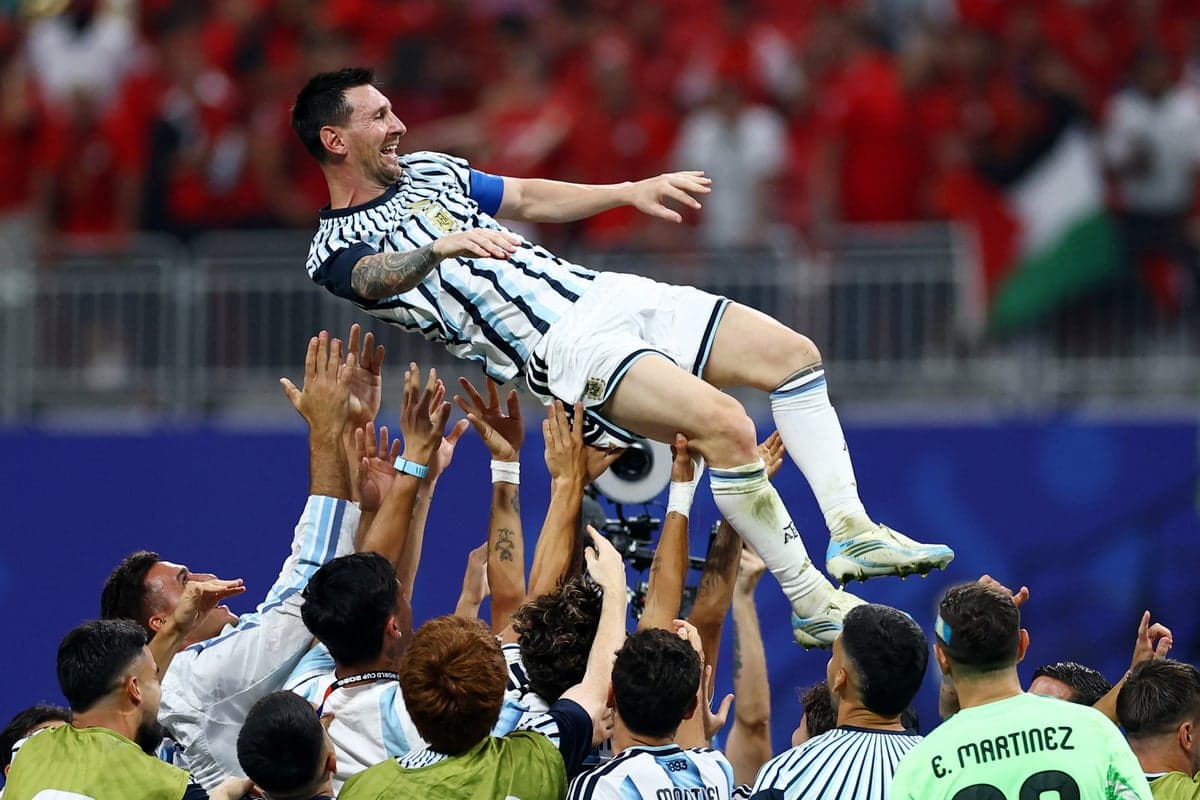
As Lionel Messi was lifted by his Argentina teammates, while the Egyptian squad sank to the ground, the scene felt almost cinematic. The atmosphere was electric, fueled by passionate Argentina fans and unforgettable moments that few directors could script better.
The tears from Messi and Argentina coach Lionel Scaloni revealed the intensity of the occasion. Scaloni, defending World Cup champion manager, admitted his emotions openly after a gripping last-16 match. This wasn’t just any game; for Messi, it might have been his final World Cup appearance.
Argentina’s emotional highs echo across other teams. England’s rollercoaster win against Mexico captured the tournament’s unpredictable mood, with hardly any side passing through without chaos or drama. Compared to the quiet Colombia-Switzerland match, which felt like a throwback to past decades, this World Cup has been anything but subdued.
The Football on Display
This World Cup feels like a return to open, passionate play, breaking free from the tactical cages of club football. The number of goals scored in the last 16 (23) far exceeds recent tournaments, indicating a more attacking, expressive style.
Matches like Mexico vs. England, full of drama and goals, are becoming the norm rather than exceptions. In that sense, the football itself shines, delivering moments fans will remember.
Controversies Cast a Shadow
Yet, beneath the excitement lies trouble. The case involving Folarin Balogun stirred controversy not because of the player himself, but due to political interference affecting decisions. Egypt’s coach Hossam Hassan voiced strong frustration after their defeat to Argentina, claiming injustice and unfair treatment.
“It’s all about money,” Hassan said. “They want Messi to stay in the tournament. We have suffered injustice. Egypt deserved to qualify.”
Such accusations, echoed quietly by officials from European clubs, reveal unease about refereeing decisions. For example, Mostafa Ziko’s disallowed goal raised eyebrows because the foul was minor and distant, contrasting with the generally lenient officiating style throughout the tournament.
Refereeing inconsistency is nothing new, especially with officials from various countries applying different standards. But now, these decisions invite suspicion in an environment already sensitive due to external controversies.
FIFA’s Credibility at Stake
The Donald Trump related turmoil has added another layer to this perception problem. It prompts people to question if controversial moments are part of a scripted narrative favoring big stars like Messi. While such conspiracy theories are unlikely, their growth on social media cannot be ignored.
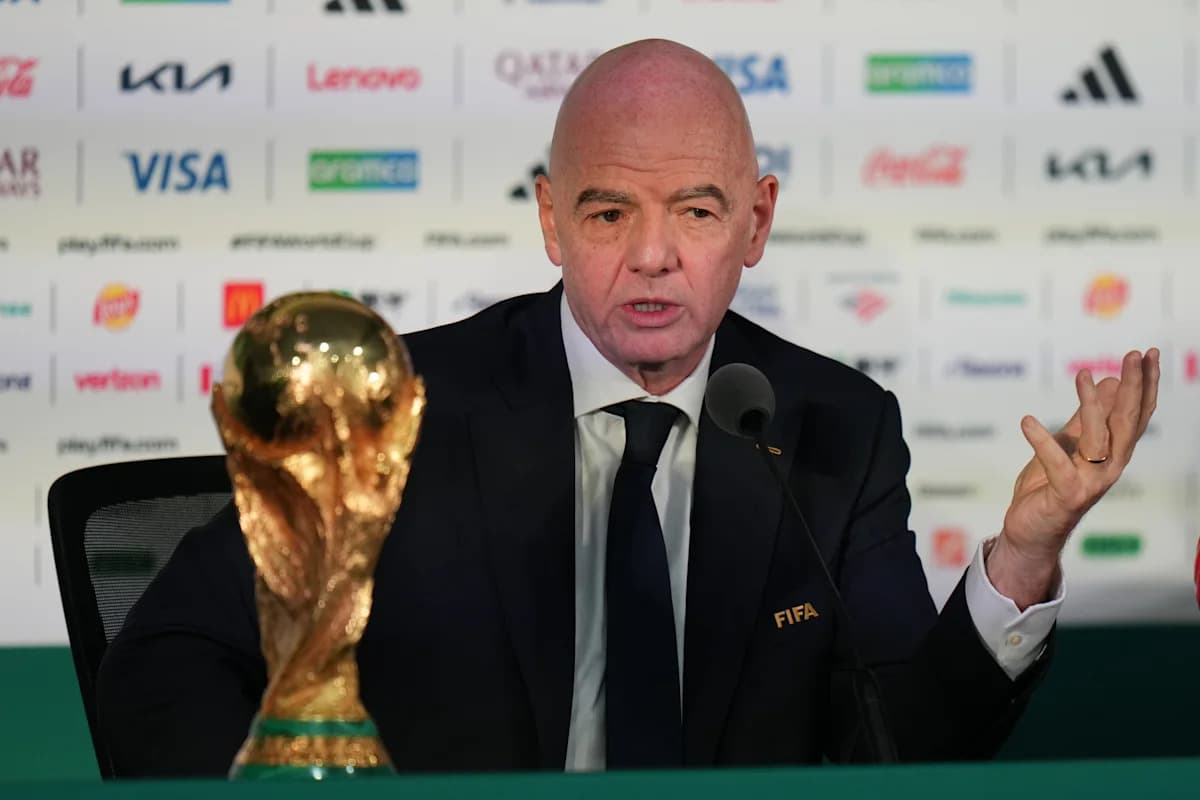
FIFA President Gianni Infantino faces calls for resignation amidst this legitimacy crisis. The Premier League has wrestled with similar accusations, where corruption claims intertwine with legal battles. FIFA now confronts the challenge of preserving sporting integrity while the tournament’s genuine football brilliance unfolds.
Financial Realities Shape the Quarterfinals
The tournament’s later stages highlight a different kind of imbalance. Six of the eight quarterfinalists—France, Spain, England, Switzerland, Belgium, Norway—are among Europe’s wealthiest nations. The US, despite its high youth fees, lags behind in building a sustainable coaching infrastructure, unlike these European powerhouses.
Morocco stands out as a remarkable exception, having transformed its national program into a large-scale state project, similar to efforts seen in Hungary under Viktor Orban.
FIFA does redistribute football’s wealth globally, supporting development projects led by figures like Arsene Wenger. Yet this distribution also serves political interests, creating complex dynamics that affect how the sport grows worldwide.
In many ways, the World Cup remains a grand spectacle, blending incredible athleticism with real-world challenges off the pitch.